
John Ternus frames generative AI as Apple’s new creative frontier
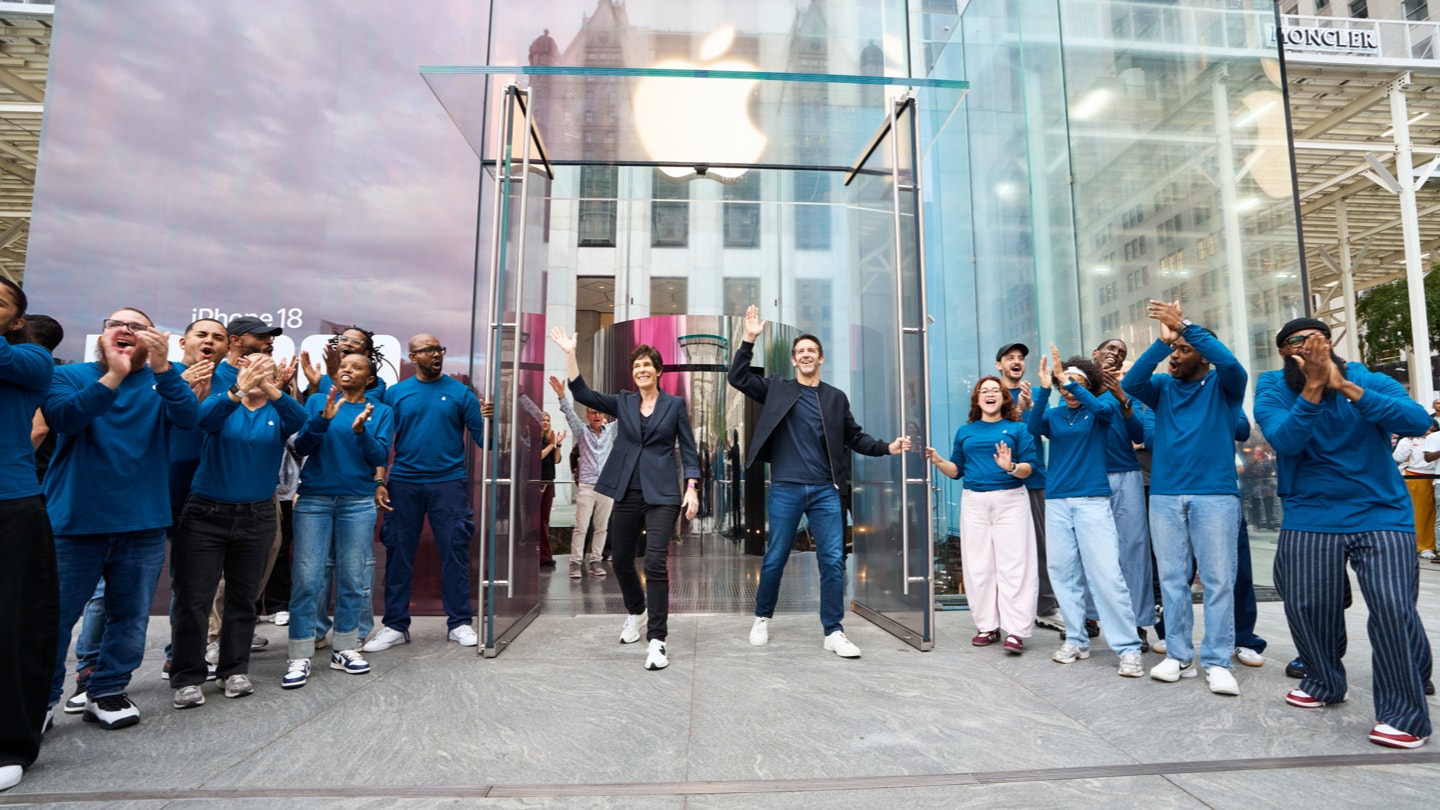
Apple’s new CEO John Ternus has given one of his first extended interviews since taking the top job, and the conversation with Clique TV lands at a pivotal moment. Just weeks after unveiling the iPhone Duo and iPhone 18 Pro lineup, Ternus is already talking less about the products that just shipped and more about what comes next. Generative AI, he says, is the most exciting technology of his entire career.
That framing matters. Ternus spent years as the hardware engineering lead who delivered Apple silicon, the iPhone redesigns, and the foundation for on-device intelligence. Now, as CEO, he is positioning AI not as a feature checklist but as the enabler of entirely new product categories and experiences that previously lived in science fiction. In the interview he repeatedly returns to the idea of focus on the future: yesterday’s launch was exciting, today it is time to build the next thing.
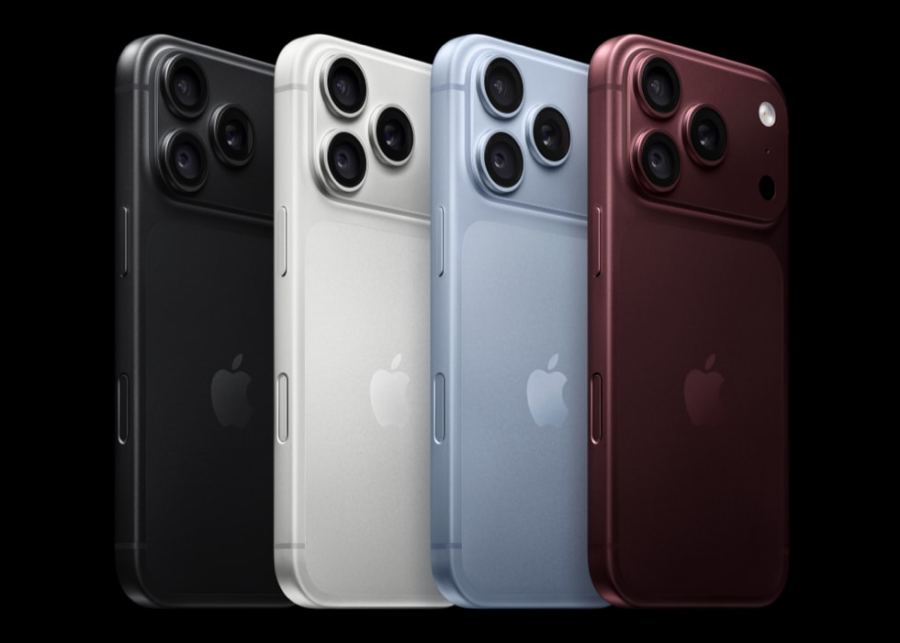
The timing is deliberate. iOS 27 with Siri AI has been rolling out, the iPhone 18 Pro ships with a vapor-cooled A20 Pro chip designed for sustained AI workloads, and Apple’s Private Cloud Compute infrastructure is already handling the heavy lifting that cannot stay on device. Ternus is signaling that the company intends to stay aggressive here without abandoning the privacy posture that has long differentiated it from competitors.
On the personal side, Ternus described the moment Tim Cook asked him to consider the CEO role as so surprising he was glad he was already sitting down. That anecdote humanizes a leader who has largely stayed out of the public eye compared with his predecessor. He also pushed back gently on the idea that some tech executives keep devices away from their children, noting that his own family uses them under clear rules and time limits. The new parental controls in iOS 27 clearly reflect that lived experience.
Vision Pro received one of the strongest defenses Ternus has offered so far. Rather than treating spatial computing as a curiosity, he continues to frame it as a long-term platform. Combined with his comments on AI, the picture that emerges is of a CEO who wants Apple to keep expanding the canvas—phones that become more intelligent personal hubs, foldables that rethink form factors, and spatial devices that eventually feel as natural as the iPhone does today.

What to watch next is how quickly Apple converts that AI excitement into shipping features that feel magical rather than incremental. Siri AI is still maturing, the home hub with a screen is reportedly in employee testing, and the iPhone Duo will reach customers in October. Ternus has made it clear he does not plan radical cultural upheaval. The culture of focusing on the future, however, now has a hardware engineer at the helm who has spent two decades turning ambitious ideas into products people actually buy.
For users, the practical takeaway is straightforward. The devices shipping this month already carry the silicon and software foundations Ternus is betting on. The real test will be whether the next 12 to 18 months deliver the kind of experiences that make generative AI feel as indispensable on Apple platforms as the App Store once did. Ternus is betting that they will, and he is framing the moment as the most creative in Apple’s recent history.
Comments
0