
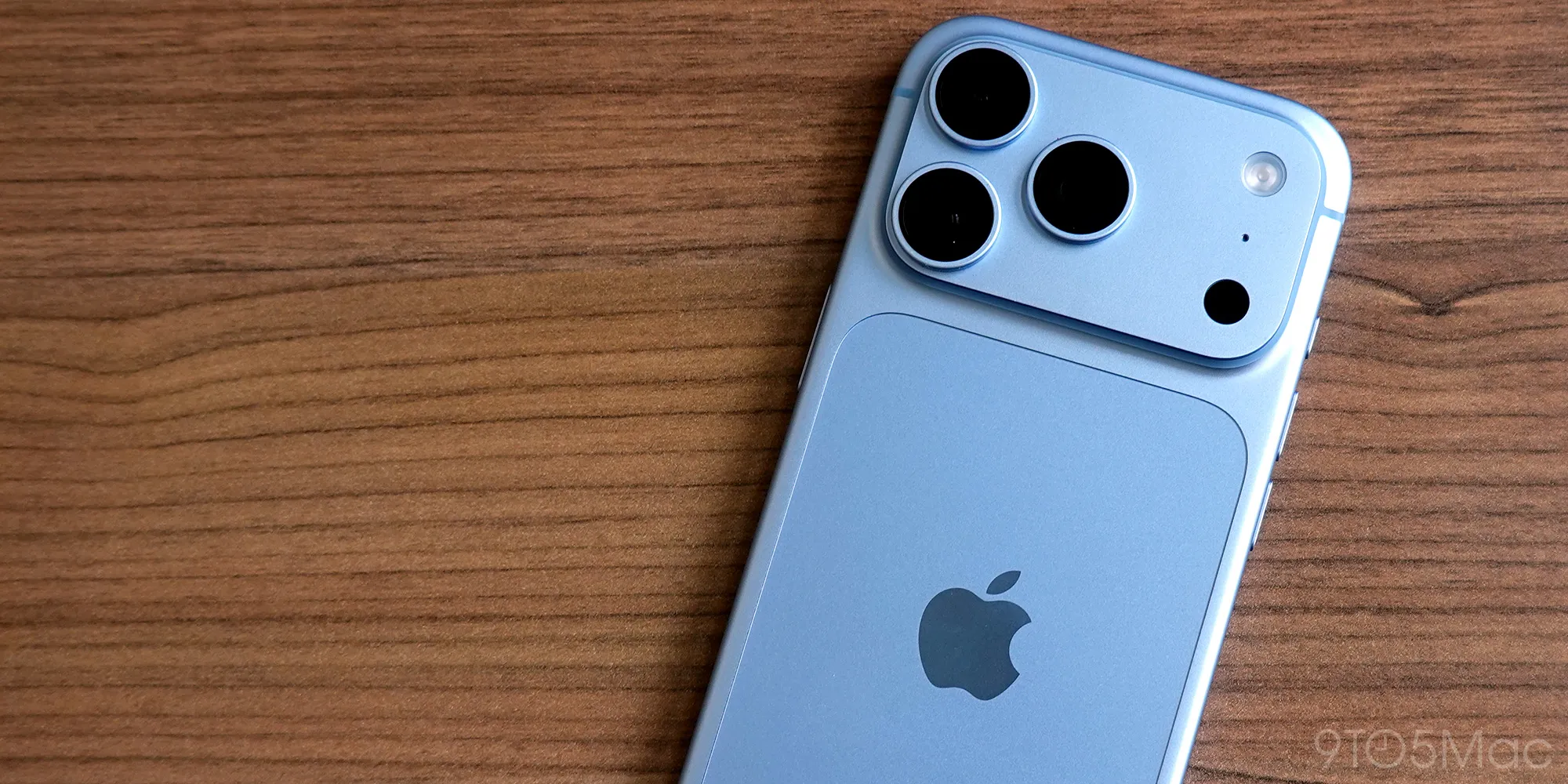
The U.S. iPhone 18 Pro Max is still a Qualcomm phone — and Apple never quite said so
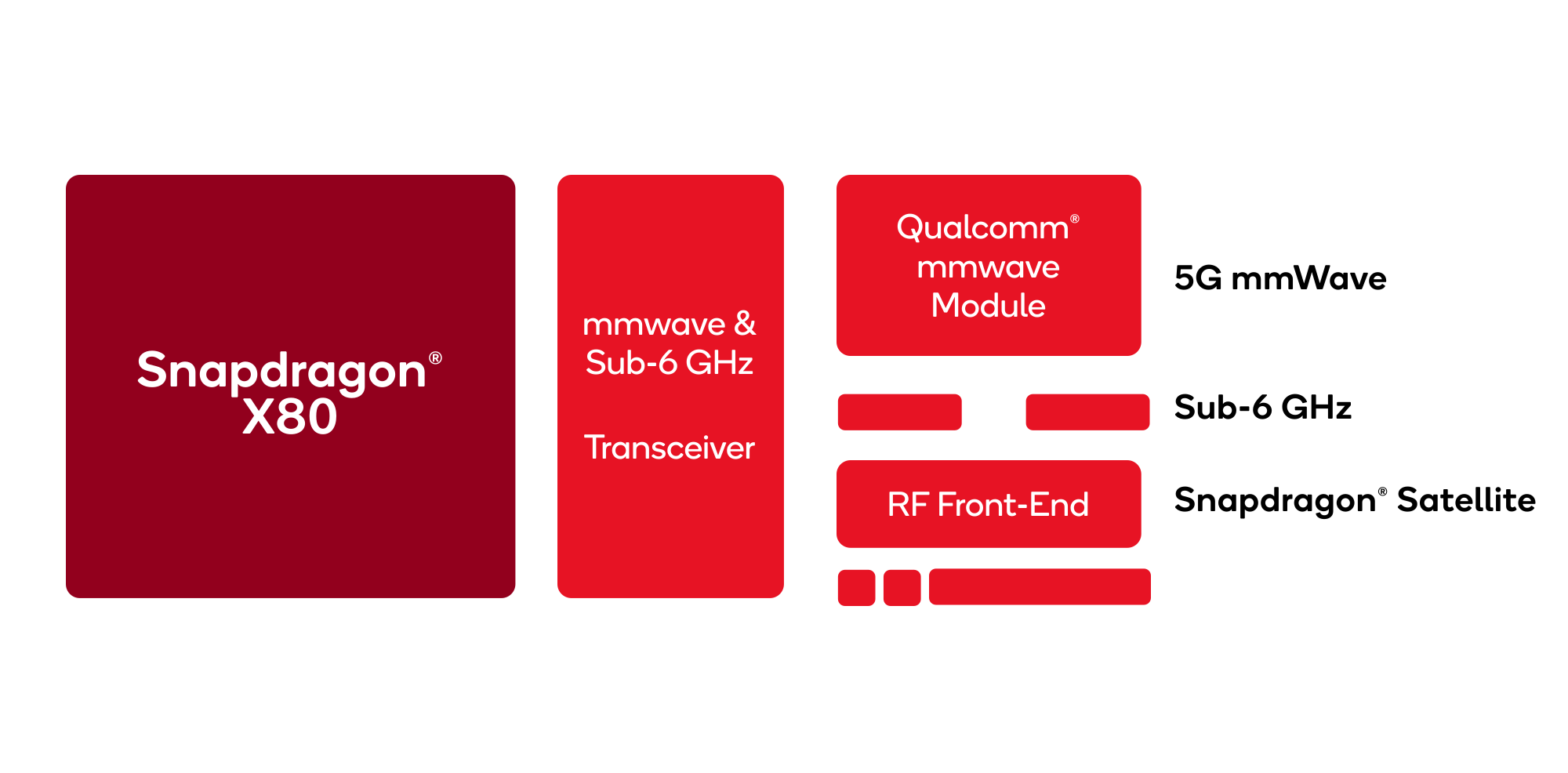
Three days after iPhone 18 Pro Max reached U.S. customers, TechInsights published the first serious teardown of a retail A3473 unit. The finding is not about battery cells or camera blades. It is about the radio. The phone Apple sold in the United States this weekend still carries Qualcomm’s Snapdragon X80 modem and the SDR875 RF transceiver — the same cellular platform that sat in last year’s iPhone 17 Pro line.
That is not what most of the keynote coverage implied. Apple spent September 9 talking about the A20 Pro, the variable-aperture 48MP Fusion camera, and a new generation of Apple silicon that now includes C2. The company’s U.S. tech specs page lists “Apple C2 cellular modem” on iPhone 18 Pro. On iPhone 18 Pro Max, that line simply stops. UK and Canadian spec sheets list C2 on both sizes. The teardown closed the gap between those two sentences.
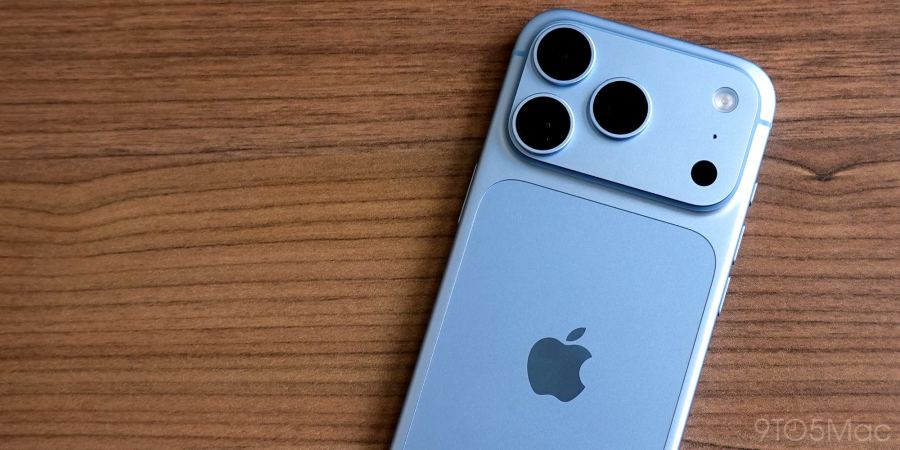
What actually shipped
TechInsights identified the usual Apple stack around the modem: A20 Pro with LPDDR5X, the N1 wireless combo module, an ultra-wideband part, and a newly marked mmWave antenna module. Plenty of the board is still Cupertino’s. The cellular exception is regional, not generational. iPhone 18 Pro uses C2 worldwide. iPhone Duo, arriving in October, is also specified with C2. iPhone 18 Pro Max uses C2 outside the United States and X80 inside it.

Put in sequence, Apple’s U.S. modem path now looks like a stutter, not a straight line: X71 on iPhone 16, C1 on 16e, X80 on the entire 17 Pro family, C1X on Air and 17e, C2 on 18 Pro — and X80 again on the largest 18 Pro phone Americans can buy this week.
That split also sits next to the rest of the September hardware story. Apple Products coverage of launch week treated the Pro refresh and the foldable as one silicon narrative. The teardown says the biggest U.S. phone is still on last year’s radio.
Why it matters
Buyers do not shop for modem part numbers. They shop for bars, heat, and upload speed in the places they actually live. Apple has been arguing that C2 is the first in-house modem that belongs in a flagship: mmWave support the earlier C1 chips never had, faster uploads than C1X, and about 15 percent less energy. If that pitch is real, the most expensive iPhone in the U.S. lineup is the one that does not get it.

There is also a quiet honesty problem. The September event framed C2 as a platform story for the new Pro phones. Spec pages in other markets treat Pro and Pro Max as the same radio. The U.S. Pro Max page does not contradict C2 so much as omit it. That is the kind of omission that only becomes news after someone unscrews the device.
None of this means the U.S. Pro Max is a lesser 5G phone on paper. Sub-6 and mmWave are still listed. X80 is a known quantity from the 17-series year. The issue is consistency. Two people standing in the same Fifth Avenue line on Friday did not necessarily leave with the same cellular silicon, depending on whether they chose Pro or Pro Max.
It also changes how to read the Duo delay and Ternus’s first launch day. If the foldable ships C2 in the U.S. and the Pro Max does not, the exception is specific: large chassis, mmWave volume, launch-week yield.
The likely reasons, none of them confirmed
Apple has not explained the split. The charitable reading is capacity and certification. A new in-house modem that finally handles U.S. mmWave is a different manufacturing and carrier-lab problem than a modem that only has to clear the rest of the world. Shipping X80 in the largest U.S. chassis buys time if C2 yields, thermals, or carrier sign-off were not ready at Pro Max volume.
The less charitable reading is that C2 still is not the radio Apple wants under the biggest antenna farm in the lineup, at least not on Verizon and AT&T mmWave. That would fit a company that has already walked C-series silicon in and out of flagships once.
Either way, the commercial consequence is familiar. Qualcomm remains inside Apple’s highest-ASP iPhone in its most important market for another year. That is not a footnote for two companies that have spent a decade arguing about exactly this socket. See the original 9to5Mac teardown report and Apple’s own iPhone 18 Pro specs pages, which still list C2 on Pro and leave the Pro Max modem line blank in the United States.
What to watch next
First, independent radio tests. If C2 Pro units outside the U.S. pull ahead on uploads, standby drain, or mid-band reliability, the spec-sheet omission becomes a product decision, not a paperwork quirk. If they do not, Apple will look as if it reserved the safer radio for the phone Americans actually buy in volume.
Second, whether later U.S. Pro Max revisions quietly move to C2. Apple has done mid-cycle modem swaps before. A fall or holiday refresh would tell you this was a launch-window constraint.
Third, iPhone Duo in October. If the foldable ships with C2 in the United States, the Pro Max exception looks even more specific — a large-phone, high-band, high-volume problem rather than a company-wide retreat from custom cellular silicon. That is the same hardware-calendar tension we flagged when the $1,999 Duo slipped behind the Pros.
John Ternus’s first keynote sold a cleaner silicon story than the first teardown supports. The A20 Pro and the variable-aperture camera are in every 18 Pro Max. The modem is not. Until Apple says why, the accurate description of the U.S. flagship this week is simpler than the event implied: it is last year’s radio under this year’s camera.
Comments
0