

Ternus’s Opening Act: Apple’s Record Quarter Collides With Memory Costs and a Constrained Duo
John Ternus stepped into the CEO role earlier this fall and has now delivered his first full quarterly report. The top-line numbers look strong. Fiscal fourth-quarter revenue reached $114.5 billion, a 12 percent rise from the year-ago period and ahead of consensus. iPhone revenue jumped 17 percent to $57.6 billion. Greater China set a September-quarter record with 21 percent growth. Mac sales also posted a solid gain. On paper, the transition from Tim Cook looks orderly.
The market reaction told a different story. Shares slipped after the call once CFO Kevan Parekh guided December-quarter gross margins to 45–46 percent, below the roughly 46.3 percent analysts had modeled. Ternus described the current memory-chip pricing environment as “unprecedented” and said costs are expected to keep rising beyond the holiday quarter. The company also reiterated that the iPhone Duo, launched on October 23, remains supply-constrained with no firm timeline for catching demand.

What the numbers actually showed
Revenue of $114.5 billion topped the roughly $113.5 billion average estimate. Earnings per share came in at $2.10 versus roughly $1.99 expected, helped in part by a modest tariff-refund benefit. Services grew about 9.8 percent to $31.6 billion, a record but the slowest pace in more than three years. Wearables and iPad results were softer. The iPhone 18 Pro and Pro Max, which went on sale in mid-September, clearly carried the quarter; the standard iPhone 18 and a refreshed Air are not expected until 2027.
The Duo’s contribution is still mostly ahead of us. Pre-orders opened in mid-October and the device reached stores on October 23, so only a few days of sales landed in the September quarter. Executives confirmed units remain tight. COO Sabih Khan noted the Duo is constrained “as of today,” and Ternus acknowledged that a small number of early units were returned for display issues. Delivery estimates for some configurations have already stretched into early 2027.
This split-launch cadence is deliberate. By keeping the fall window focused on the Pro models and the first foldable, Apple maximized holiday visibility for its highest-margin devices while leaving room for more accessible models in the spring. The approach appears to have worked for the Pro lineup; the Duo’s production ramp is simply taking longer than the company would have preferred.

Why the margin warning matters
Memory is the clearest near-term headwind. AI data-center demand has pulled high-bandwidth and conventional DRAM and NAND into tighter supply, pushing prices higher for consumer-electronics buyers. Apple has historically managed component costs better than most, yet Ternus said the company is already paying more than it did earlier in the year and expects further increases. The 45–46 percent margin guide for the December quarter is below recent levels and below Street expectations. Some of the pressure also stems from ongoing Siri AI infrastructure costs.
Investors have grown accustomed to Apple expanding margins even while growing revenue. A guided contraction, even if temporary, changes the narrative. It also raises the question of pricing power. Apple has already raised prices on several products this year. Further increases on the Duo or future Macs could test demand, especially while the foldable remains hard to find.
The earnings call itself drew criticism for feeling heavily scripted. Ternus leaned on prepared notes, delegated several questions to Parekh and Khan, and stayed close to marketing talking points. Some observers expected a clearer articulation of strategy under the new CEO. The substance was solid; the delivery was cautious. That may simply reflect the first-time nature of the event, but it left room for competitors and analysts to fill the narrative gap.
Software continues to move
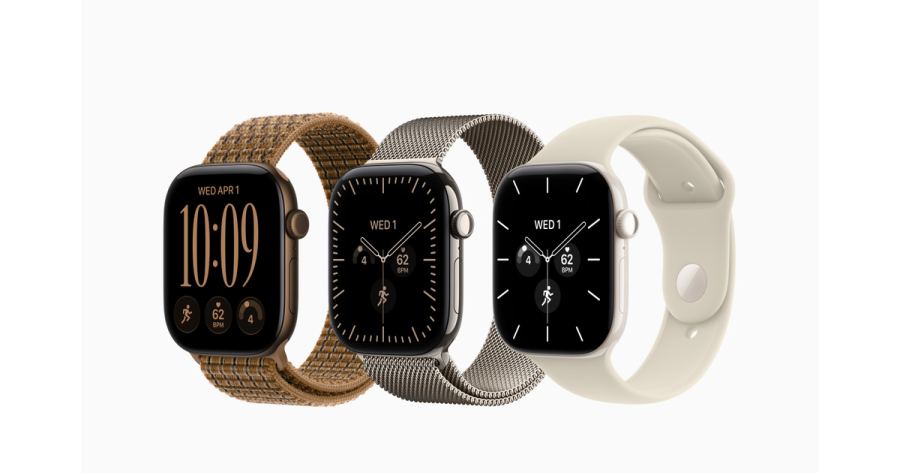
While hardware supply is the constraint, software is advancing on schedule. The first developer beta of iOS 27.3 (and the matching watchOS, iPadOS, and macOS betas) landed this week. It expands Siri AI through App Intents, giving developers clearer ways to surface actions inside the assistant. The Health app adds Insights and Longevity sections, including a Health Age estimate based on multiple metrics. On the Watch, Series 12 and Ultra 4 are testing Audio Intelligence features—Siri Recap and Live Rewind—that summarize nearby conversation highlights without storing full transcripts or recordings.
Apple has also confirmed that the first Apple Intelligence features for China users will enter broader testing in December, partnering with local models for compliance. These updates matter because they keep the installed base engaged even when the newest hardware is scarce. They also reinforce Apple’s on-device and privacy-focused approach relative to cloud-heavy competitors.
The product pipeline still has momentum
November is not quiet. On November 6 Apple is expected to ship several new Macs and an OLED iPad mini. The 14-inch and 16-inch MacBook Pro models with touchscreens (the long-rumored PROLED XDR versions) are the headline items, starting around $2,899. A refreshed M6 iMac and a standard M6 MacBook Pro also arrive the same day. Apple HomeView, the new smart-home display, follows on November 13 at $299. These products give the company additional revenue levers in the current quarter while the Duo ramp continues.
The touchscreen Mac is particularly interesting under Ternus. It represents a product category Apple long resisted. If the implementation is strong, it could expand the Mac’s addressable market without cannibalizing the iPad. Early hands-on reports suggest the experience is closer to a refined laptop with optional touch than a tablet hybrid, which aligns with Apple’s historical preference for clear device roles.

What to watch next
Three questions dominate the next few months. First, how quickly can Duo production increase? Analysts had estimated 7–8 million units through calendar 2026; any sustained shortfall pushes revenue into 2027 and leaves the high-priced foldable looking less like a holiday hit. Second, do memory prices stabilize or keep climbing? A prolonged spike would force further margin compression or additional price increases. Third, how does Ternus communicate strategy beyond the script? The next earnings call, or a dedicated product event, will give a clearer read on whether the cautious debut was simply first-call nerves or a lasting style.
In the meantime, the installed base continues to receive meaningful software updates, the Pro iPhones are selling well, and a wave of new Macs and a home display are about to reach customers. The opening act under Ternus is neither a clean victory lap nor a stumble. It is a record quarter that arrived with clear constraints and a reminder that even Apple cannot fully escape component-cycle pressure. The holiday results and the Duo’s eventual supply balance will show how well the company navigates both.
For now, the numbers confirm that demand for premium Apple products remains robust. The challenge is converting that demand into available units and protecting margins while the broader technology industry competes for the same memory and advanced packaging capacity. Ternus has the product pipeline and the installed base. The next several quarters will reveal how effectively he manages the constraints that arrived with the job.
Comments
0