
Why iPhone Duo Is Apple’s Biggest Bet Since the Original iPhone
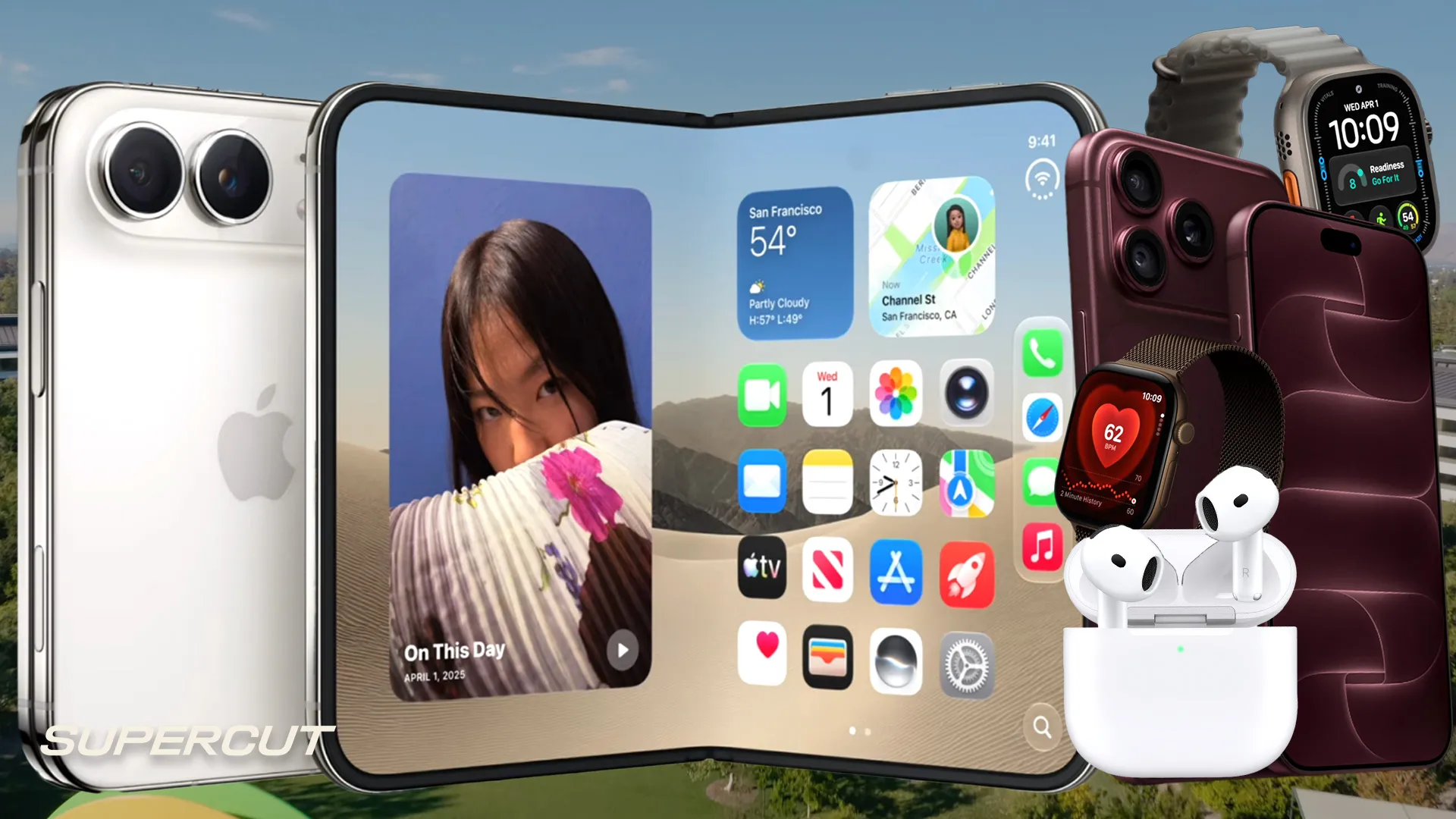
When Apple CEO John Ternus stepped onto the stage at the Steve Jobs Theater on September 9, 2026, he was not simply introducing a new phone. He was making the first major hardware statement of his tenure. The device he unveiled — the iPhone Duo — is Apple’s first foldable smartphone. It opens to a 7.6-inch inner display that is 50 percent larger than the iPhone 18 Pro Max and closes into a passport-sized package with a 5.4-inch outer screen. Priced from $1,999, it is the most expensive iPhone Apple has ever sold. Yet the significance of the Duo goes far beyond its screen size or price tag.
What Apple Actually Shipped
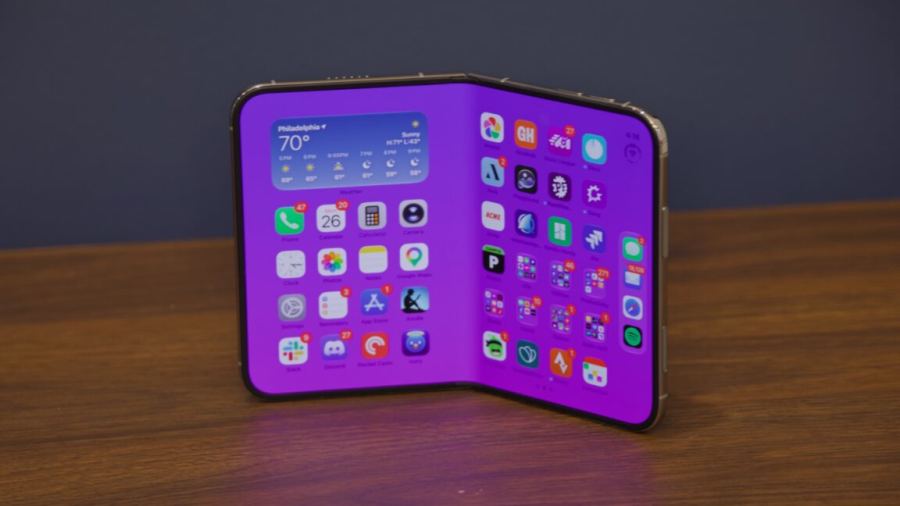
The iPhone Duo is a book-style foldable built around a continuous titanium frame and a precision hinge containing more than 100 components. When fully open it is the thinnest iPhone Apple has ever made. Both displays share the same aspect ratio so content moves fluidly between them. A nano-texture finish on the inner screen is designed to reduce glare and make the crease less visible. Touch ID lives in the side button because Face ID does not work across the fold. The dual-battery system and vapor-cooled A20 Pro chip deliver up to 44 hours of video playback on the outer display alone.
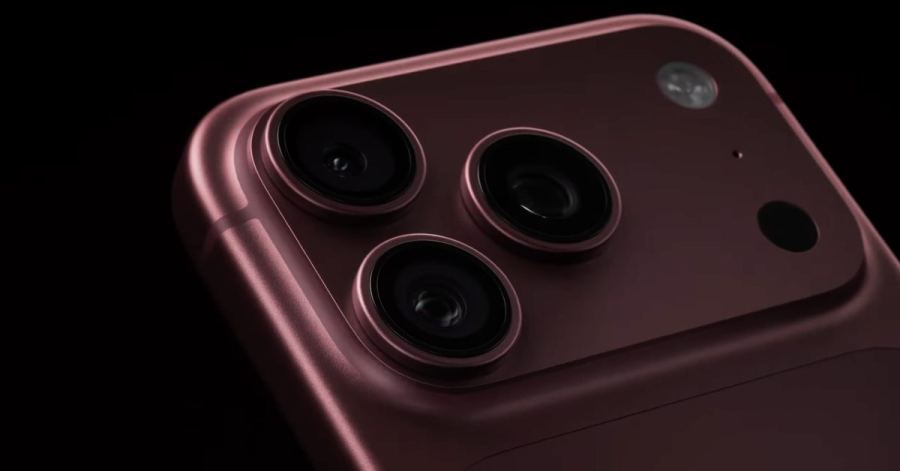
Alongside the Duo, Apple launched the iPhone 18 Pro and 18 Pro Max. These retain the familiar slab design but add a smaller Dynamic Island that can show three Live Activities at once, a variable-aperture 48MP main camera, and the same A20 Pro chip built on TSMC’s 2-nanometer process. Starting prices rose $100 to $1,199 and $1,299 respectively. Pre-orders for the Pro models began September 12 with availability on September 18. The Duo followed later: pre-orders opened October 16 and the phone reached customers on October 23.
Why the Foldable Matters More Than the Specs
Apple has spent years watching Samsung, Google, and Chinese brands refine foldable hardware. The company waited until it could ship something that felt like an iPhone first and a foldable second. The consistent aspect ratio, the hidden under-display FaceTime camera, the posable hinge that supports StandBy, seated, and tent modes, and the software that reorients controls to the side when the device is open are all deliberate choices. They turn the Duo into a device that can function as a phone, a small tablet, a stand, and a dual-screen productivity tool without feeling like two phones taped together.
The software side is equally important. iOS 27 on the Duo moves Lock Screen controls and the Home Screen dock to the side so more vertical space is available for content. Apps can run side-by-side in Split View. StandBy is rebuilt for the new form factor. Developers already have APIs to adapt their apps, and early adopters report that many third-party apps simply work in the new layouts. This is the classic Apple pattern: hardware and software engineered together so the sum exceeds the parts.
The price, however, is unapologetic. At $1,999 for 256 GB and up to $3,199 for the 2 TB model, the Duo is positioned as a luxury device. Early supply has been tight. On Apple’s Q4 2026 earnings call — Ternus’ first as CEO — COO Sabih Khan said the Duo is constrained and that shipments are expected to resume late January. Ternus still called it “the most transformational iPhone since the original.” That framing is intentional. The original iPhone redefined the category by making a touchscreen phone feel inevitable. The Duo is trying to do the same for foldables.
The Broader Context Under Ternus
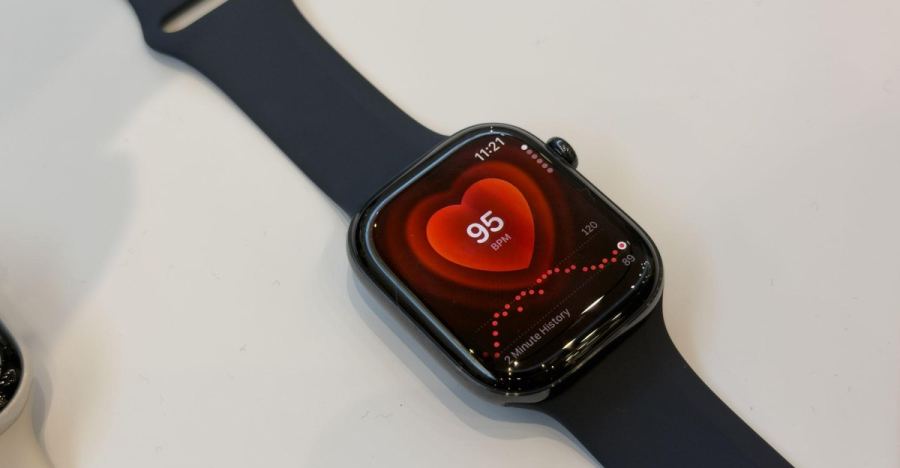
Ternus succeeded Tim Cook on September 1, 2026. His first major product event was the September 9 keynote that introduced the Duo, the iPhone 18 Pro lineup, Apple Watch Series 12 and Ultra 4, and AirPods 5. The Watch models bring a new Health Sensing System with more accurate heart-rate tracking, a Readiness score, and Audio Intelligence features (Siri Recap and Live Rewind) that began rolling out in the watchOS 27.3 beta this week. Those conversation tools, which can summarize discussions or rewind the last 15 seconds of speech as text, have already drawn privacy questions. Apple emphasizes on-device processing and user control, but the always-available microphone on the wrist is a new surface for scrutiny.
Financially, Ternus’ first quarter was strong on the top line and cautious on the outlook. Apple reported $114.5 billion in revenue for the September quarter, up 12 percent year over year, with iPhone sales of $57.6 billion. Gross margin for the holiday quarter is guided at 45–46 percent, below analyst expectations, largely because of elevated memory-chip prices. Ternus described the memory pricing environment as “unprecedented.” The company is absorbing some of the cost pressure while still raising prices on select products. Services growth also slowed. The market reaction was a stock decline despite the revenue beat.
What to Watch Next
Supply of the iPhone Duo will be the clearest near-term test. If Apple can ramp production through the first half of 2027 without major quality issues, the foldable will have cleared its hardest hurdle. Software updates will matter just as much. The watchOS 27.3 beta already shows how quickly Apple is extending Apple Intelligence to new surfaces. Public reaction to Siri Recap and Live Rewind will influence how aggressively the company expands always-listening features.
Longer term, the Duo establishes a new premium tier above the Pro models. Whether a future standard iPhone 18 or iPhone Air arrives in spring 2027, and how those devices relate to the Duo, will reveal Apple’s broader strategy. For now, Ternus has used his first product cycle to ship the thing customers had been waiting for most. The hardware is in the world. The supply constraints and the margin pressure are real. The question is whether the Duo becomes the new reference point for what an iPhone can be, or whether it remains a high-end niche while the Pro models continue to carry the volume.
Either way, the September 2026 event under John Ternus marked a clear inflection. Apple stopped watching the foldable market and entered it on its own terms. The next twelve months will show whether that bet pays off.
Comments
0