
Inside Ternus’s First Earnings: How Apple Balances Hardware Momentum With a Measured AI Approach
Apple enters a pivotal Monday with fiscal fourth-quarter results due after the close and John Ternus taking the stage for his first earnings call as chief executive. The quarter captures the opening days of iPhone 18 Pro and Pro Max sales along with new Apple Watch Series 12, Ultra 4, and AirPods 5, while the company’s first foldable, the iPhone Duo, sits just outside the reporting window. Investors arrive with consensus near $113 billion in revenue and roughly $2 in earnings per share, seeking both confirmation of hardware strength and early signals on how Ternus will steer Apple Intelligence.
What Happened in the Quarter
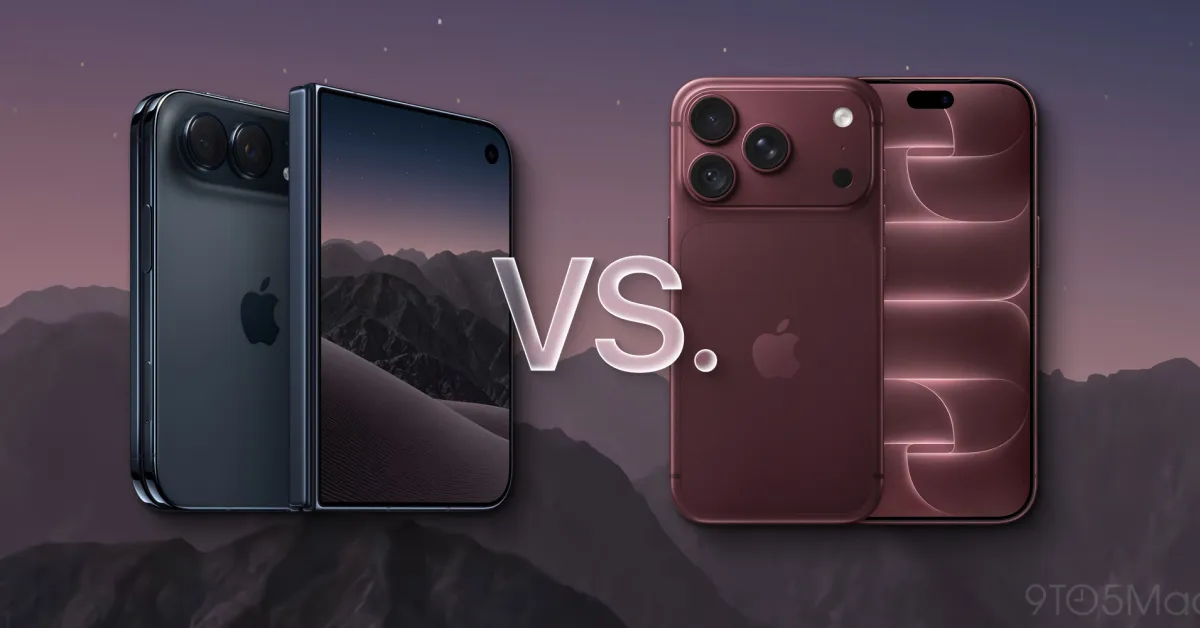
Fiscal Q4 2026 ran from late June through September 26. The iPhone 18 Pro lineup went on sale September 18, giving the report about nine days of new flagship volume. Pricing moved higher by about $100 relative to the prior generation, with the Pro starting at $1,199 and the Pro Max at $1,299. Colors expanded to include Burgundy alongside Black, Silver, and Glacier. Under the hood sits the A20 Pro on TSMC’s 2-nanometer process, a larger vapor chamber, and a main camera with variable aperture. Battery claims improved, especially on the Pro Max. Parallel launches of the Watch Series 12, Ultra 4, and AirPods 5 added wearable and audio contributions inside the same window.
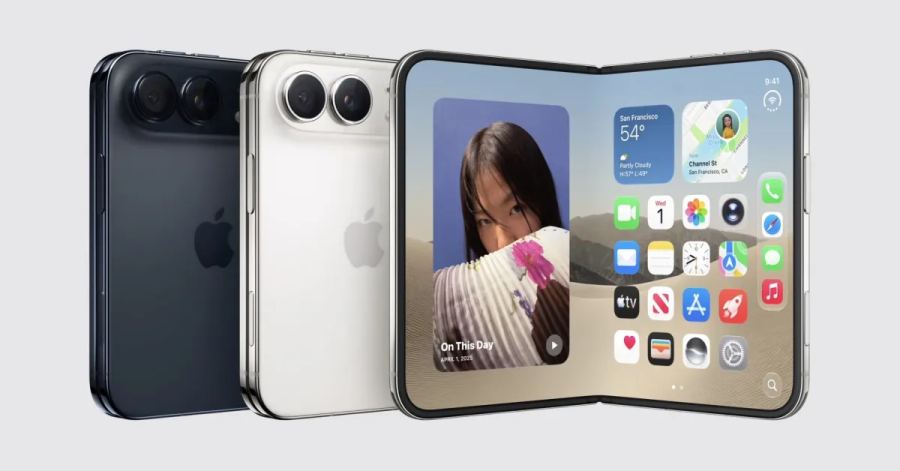
The iPhone Duo, announced at the same September 9 event, opened for pre-order October 16 and reached stores October 23. Its sales therefore fall into the December quarter. Starting at $1,999 for 256 GB and rising to more than $3,000 at the top storage tier, the foldable brings a 7.6-inch inner display and a 5.4-inch outer display that share the same aspect ratio, a titanium frame, nano-texture glass, and dual batteries. Early reports noted strong initial demand that quickly pushed delivery dates out. Because the Duo arrived after the fiscal close, today’s numbers will not include it, yet Ternus is likely to face questions about production, margins, and early customer reception.
Why the Call Matters for Ternus
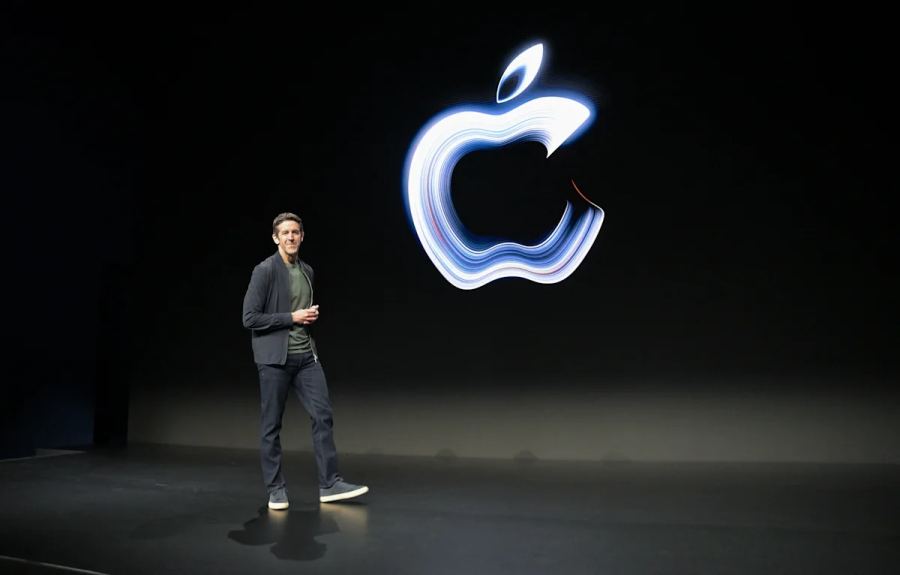
Ternus succeeded Tim Cook on September 1 after a long tenure in hardware engineering. His first public product event was the September keynote that introduced both the Pro models and the Duo. A recent interview with Wired captured his stance on artificial intelligence: he does not want to ship features merely to keep pace with rivals and prefers AI that quietly improves existing products. He described the company as comfortable with its position even after earlier Siri delays. That framing positions Apple Intelligence and the new Siri AI as tools that enhance the iPhone as an intelligent personal hub rather than as a standalone chatbot race.
The November 2 call therefore serves dual purposes. Numerically, it tests whether the guided 9-to-11 percent revenue growth materializes despite memory-cost pressure, foreign-exchange headwinds, and supply constraints. Strategically, it offers the first extended look at how Ternus communicates with Wall Street. Analysts will listen for tone on product cadence, AI integration timelines, and capital allocation. Services growth, which has been a consistent bright spot, remains under scrutiny as commission structures evolve in multiple markets. Any commentary on holiday-quarter outlook will carry extra weight because it will include the first full period of Duo availability plus continued Pro demand.
Apple Intelligence and Siri AI in Context
iOS 27 and companion updates brought Siri AI in beta, initially in English, with additional languages rolling out later. Features include conversation memory, broader personal context drawn from Messages photos, calendar attendees, and voicemail, plus faster responses on Apple Watch. watchOS 27.2 further accelerated Siri on the wrist and expanded language support. Workout Buddy and other on-device experiences continue to expand. Ternus has repeatedly tied these capabilities to hardware advantages: the A20 Pro’s Neural Engine, on-device processing, and Private Cloud Compute for heavier tasks. The approach deliberately keeps sensitive data local whenever possible and avoids the perception that Apple is merely bolting large models onto its stack.
Critics note that rivals have moved faster on generative interfaces, yet Apple’s installed base and vertical integration give it different levers. The Pro models and Duo both ship with the same A20 Pro silicon, so software features can land across the premium lineup without fragmenting the experience. Early developer support for the Duo’s larger canvas and split-view multitasking suggests the company is also using form-factor change to create new software opportunities. How quickly those experiences translate into measurable engagement or Services attach rates will be a longer-term question the earnings call can only preview.
What to Watch Next
Immediate attention centers on the revenue and margin print versus the 9-to-11 percent guide and the 47-to-48 percent gross-margin range. iPhone unit commentary, even if limited, will indicate whether the $100 price increase and higher storage options offset any volume softness. Memory-cost inflation remains a variable that could pressure margins further into the holiday quarter. Ternus’s remarks on the Duo production ramp and on Apple Intelligence adoption will set the narrative for the next several months. Investors will also note any signals on App Store policy evolution or capital return, though those topics have historically been handled with measured language.
Beyond the call, the December quarter becomes the first real test of the foldable. Limited initial supply, premium pricing, and the need for apps to take full advantage of the dual-display form factor will determine whether the Duo remains a high-margin niche or broadens into a meaningful volume contributor. Parallel software updates that deepen Siri AI memory and context will continue to roll out, testing whether the product-first philosophy resonates with users who already live inside the Apple ecosystem. For Ternus, today’s numbers and commentary form the opening chapter of a tenure defined by hardware continuity and a deliberately paced intelligence layer. The market will judge both the arithmetic of the quarter and the clarity of the longer view he chooses to offer.
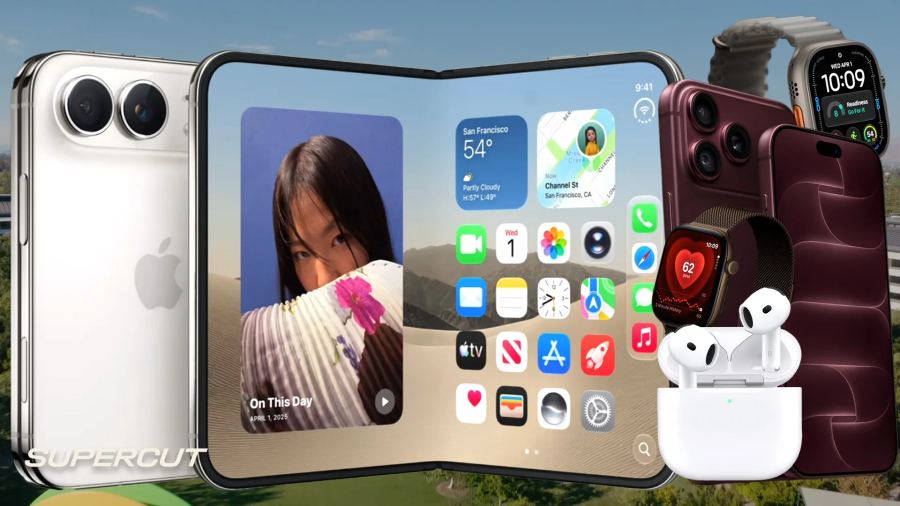
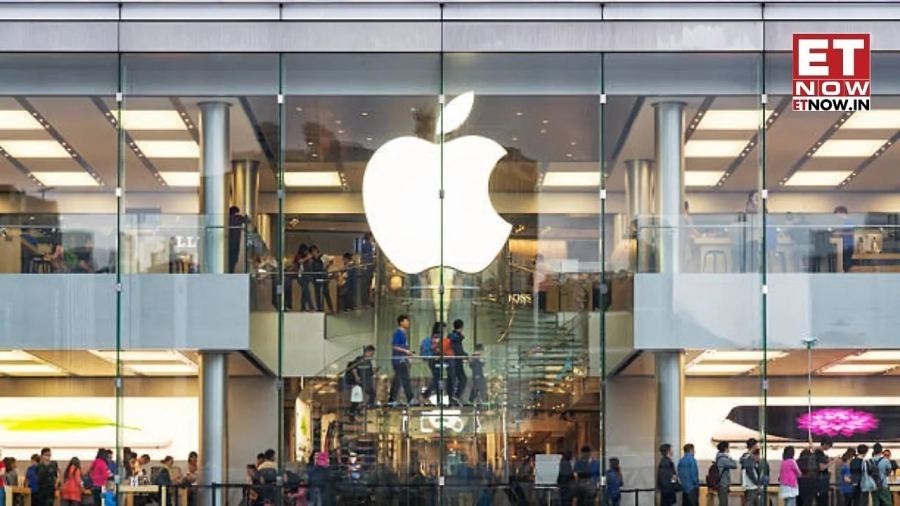
Taken together, the September product cycle and the November earnings moment illustrate the handoff at Apple. The hardware is already in customers’ hands or on the way; the software intelligence layer continues to expand; and a new chief executive is now accountable for both the results and the roadmap. The call will not resolve every open question, but it will establish the tone and the priorities for the Ternus era as it begins in earnest.
Comments
0