
Inside Apple's Transition: Ternus' First Quarter, the Fall Lineup, and the Road to Spring 2027
Apple's September 2026 event under the "Surprise and Shine" banner marked more than a product launch. It was the first major public stage for John Ternus as CEO, succeeding Tim Cook. The company introduced the iPhone 18 Pro and Pro Max alongside its first foldable, the iPhone Duo, plus new Apple Watch models and AirPods. Two months later, the results of that launch are visible in earnings, supply constraints, and a steady stream of software updates that push Apple Intelligence further into daily use.
What Happened in the Fall Launch
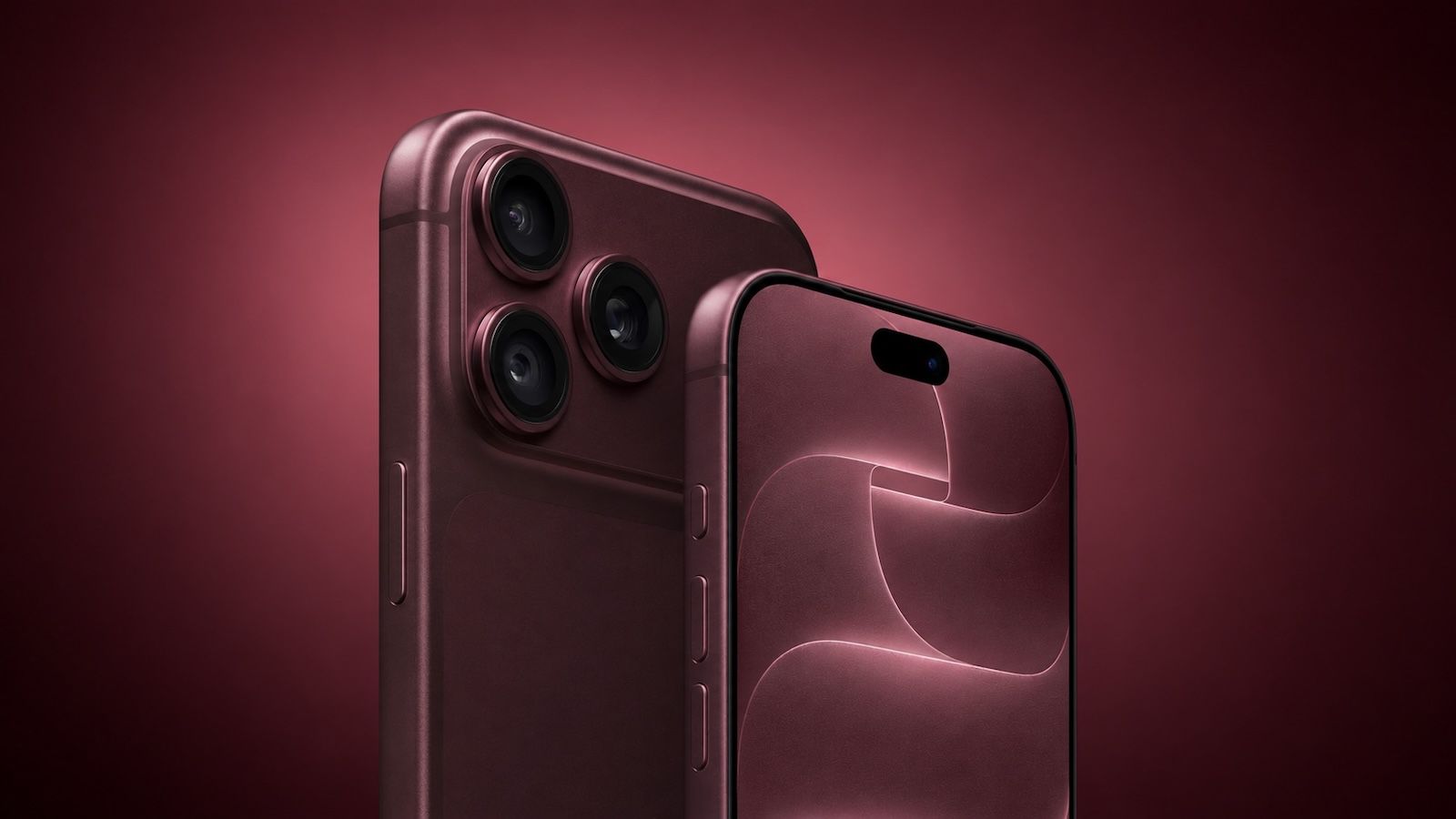
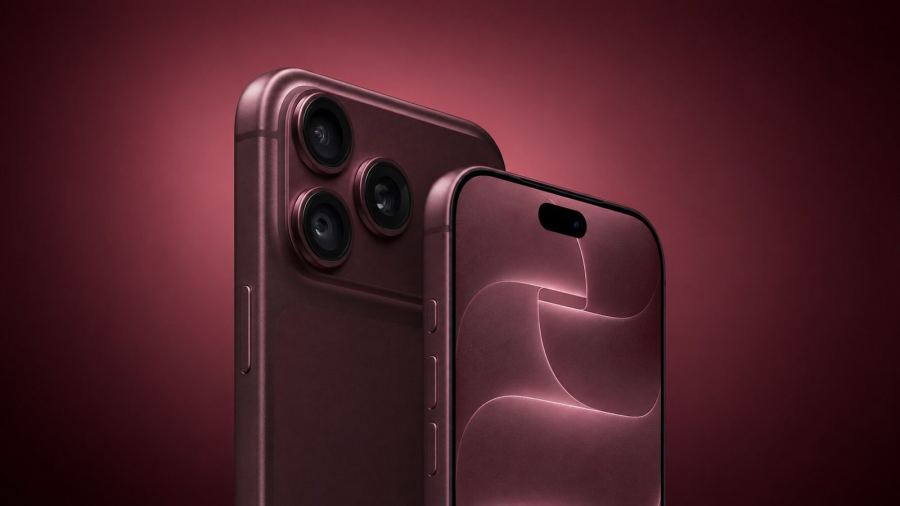
The iPhone 18 Pro and Pro Max arrived with the A20 Pro chip on a 2-nanometer process, a variable-aperture main camera, and improved battery life. Prices started at $1,199 and $1,299 respectively, a $100 increase over the prior generation. Pre-orders opened mid-September and devices reached stores on the 18th. Colors included a new burgundy finish alongside black, silver, and glacier.
The iPhone Duo, Apple's book-style foldable, starts at $1,999 for 256 GB. It features a 7.6-inch inner display and a 5.4-inch outer screen, with nano-texture glass to reduce crease visibility. Pre-orders began in mid-October and shipping started on the 23rd in initial markets. Supply has remained tight. During the November earnings call, executives confirmed the Duo is constrained, with broader availability expected later.
Apple Watch Series 12 and Ultra 4 introduced Audio Intelligence capabilities that are now moving from announcement to beta. AirPods 5 improved active noise cancellation. The lineup as a whole leaned on hardware refinements and deeper integration with Apple Intelligence rather than radical design changes for the non-foldable phones.
Ternus' First Earnings Report
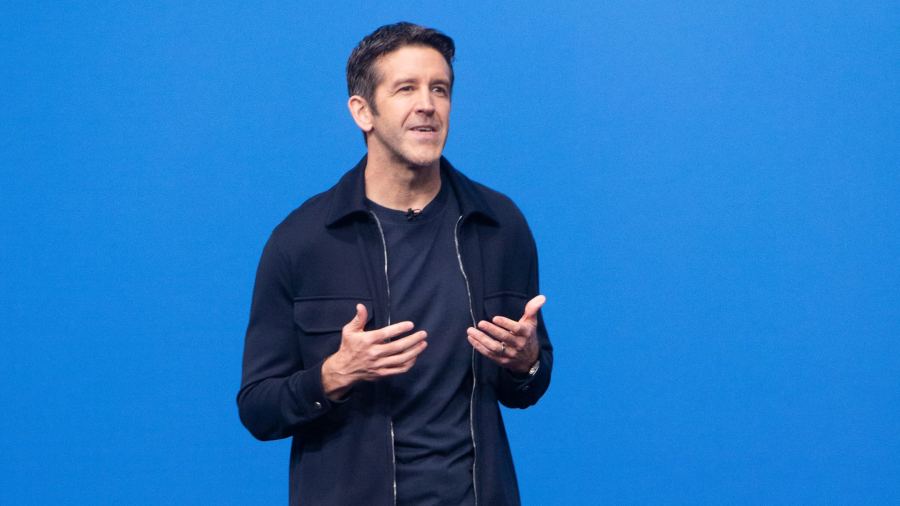
On November 2, Ternus hosted his first earnings call. Revenue for the fiscal fourth quarter reached approximately $114.5 billion, ahead of estimates, with iPhone contributing strongly from the early weeks of 18 Pro sales. Services continued to grow, though at a slower rate than in prior periods. Mac sales exceeded expectations while iPad came in lighter.
The outlook for the December quarter showed revenue growth of 7 to 10 percent, but gross margin guidance of 45 to 46 percent fell short of consensus. Rising memory chip prices were cited as the primary pressure. Ternus described the current memory pricing environment as unprecedented and indicated costs would remain elevated beyond the holiday period. The company has absorbed some of the increases so far but faces limits on how much it can offset through pricing alone.
China results were mixed in the quarter, though later data points suggested solid demand for the 18 Pro models in that market. The Duo's contribution will appear more fully in the holiday quarter once supply improves. Ternus also referenced ongoing work on Siri AI, including expanded language support and new app actions rolling out in betas.
Software and Apple Intelligence Expansion
Hardware launches alone do not tell the full story. watchOS 27.3 and iOS 27.3 betas have brought Siri Recap and Live Rewind to Series 12 and Ultra 4 watches. Live Rewind displays a text snippet of the prior 15 seconds of speech after a double-press of the Digital Crown. Siri Recap generates high-level conversation summaries with titles and key points, viewable in the Siri app. Both features are opt-in, include visual and audible indicators, and delete unsaved data automatically.
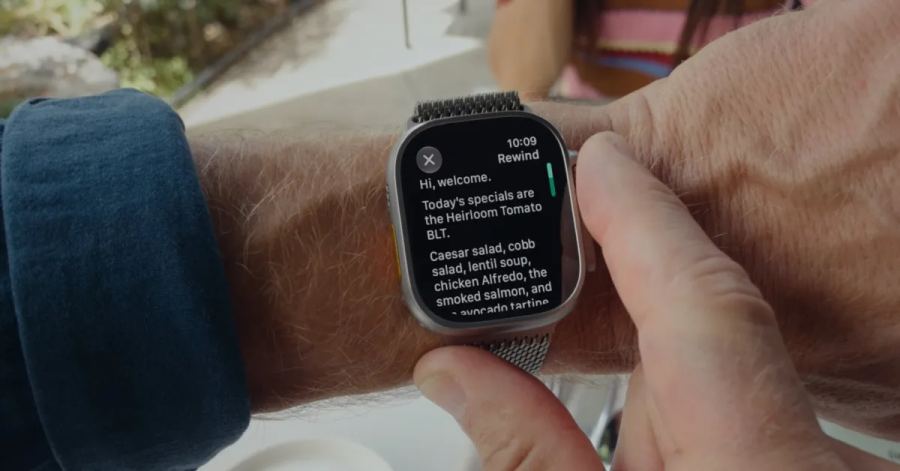
These tools raise familiar privacy questions around ambient listening. Apple emphasizes on-device processing where possible, Private Cloud Compute for certain summaries, and user controls for scheduling by time or location. Expanded Siri AI languages and app actions in the same update further embed the assistant across the ecosystem. Separately, Apple completed regulatory steps for Apple Intelligence on iPad and Mac in China, paving the way for a broader rollout later in the year, though some features such as full Siri AI may arrive later.
The combination of a new CEO focused on product execution, a split iPhone launch strategy that reserved fall for premium models, and continuous software updates creates a different rhythm than the single annual iPhone event of earlier years. The base iPhone 18, 18e, and a possible Air follow-on are expected in spring 2027, allowing the company to space demand and manufacturing.
Why It Matters
Ternus inherits a company still dominant in high-end smartphones and services but facing higher component costs and intense competition in AI and foldables. The early sales strength of the 18 Pro models shows demand remains resilient despite price increases. The Duo's constrained supply indicates either higher-than-expected interest or production ramp challenges typical of a first-generation foldable. Memory costs are a near-term headwind that could compress margins if not offset by mix or volume.
Apple Intelligence features moving onto the Watch demonstrate a strategy of distributing AI capabilities across form factors rather than concentrating them in a single device. Opt-in designs and limited retention address some regulatory and consumer concerns that have affected other ambient AI products. Success here could strengthen the case for further on-device and private-cloud AI investments.
The compensation package disclosed at the start of Ternus' tenure, with a $3 million salary and $55 million target equity for fiscal 2027, ties a large portion of pay to relative total shareholder return. That structure aligns incentives with long-term performance during a period of product transition and cost pressure.
What to Watch Next
Holiday-quarter results will reveal the full impact of the 18 Pro launch, the Duo's contribution once supply improves, and the margin effects of memory pricing. Watch for any commentary on Duo production ramps and whether Apple plans additional capacity. Spring 2027 will bring the standard iPhone 18 models; early leaks point to larger batteries, 2-nanometer A20 chips, and possible price adjustments. Confirmation of those details and the exact timing will clarify how Apple intends to balance volume and premium positioning.
On the software side, the public release of watchOS 27.3 and iOS 27.3 will expand Audio Intelligence and Siri AI features beyond developers. Adoption rates and any privacy feedback will be telling. Progress on Apple Intelligence in China and other regulated markets will also matter for services growth. Finally, Ternus' next major stage appearance or product event will offer further insight into product priorities under the new leadership.
The next several months will test whether the fall lineup and ongoing AI investments can sustain growth while navigating higher component costs. Early signals are positive on demand, cautious on margins, and active on software. That combination defines the opening chapter of Ternus' tenure.
Comments
0