
Why the iPhone Duo Changes Apple’s Entire Product Calendar
Apple finally entered the foldable market on September 9, 2026, with the iPhone Duo. The device is not merely another premium handset. It forces a structural change in how Apple sequences its iPhone lineup, moves the company under new CEO John Ternus, and sets expectations for sustained high-end demand amid rising component costs.
What Apple Actually Shipped
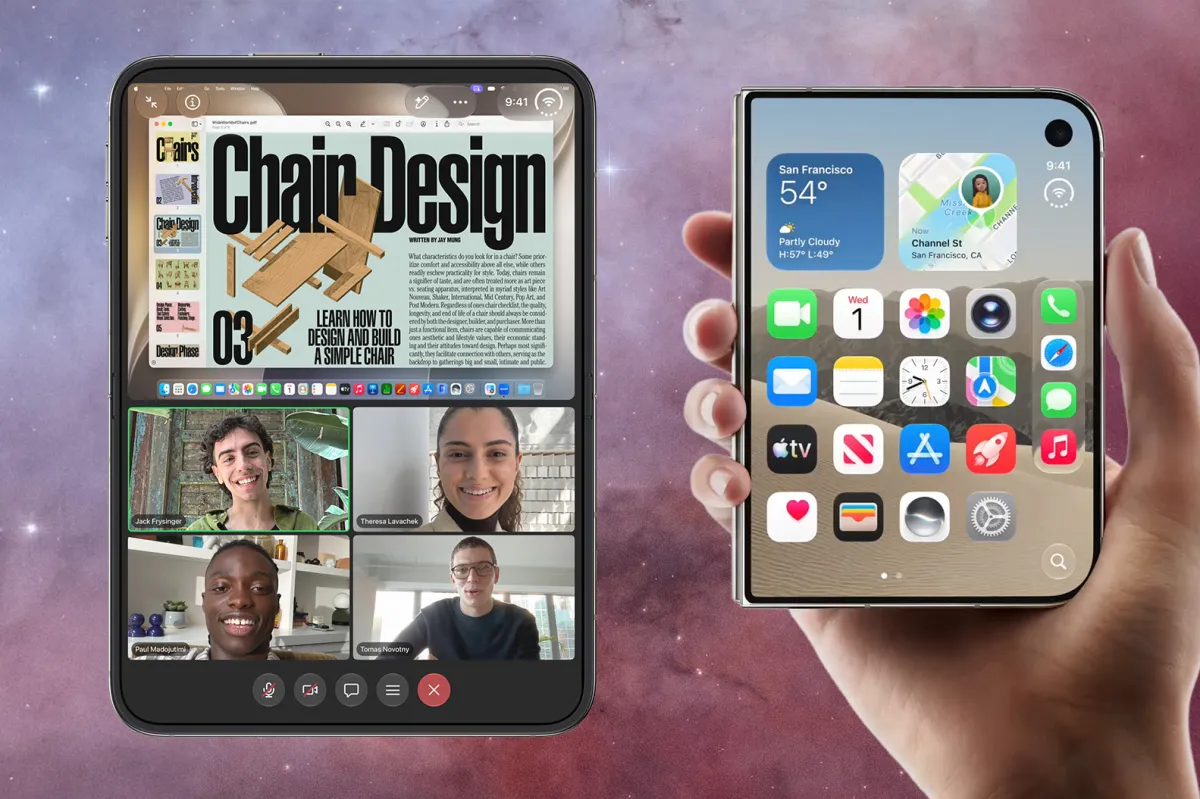
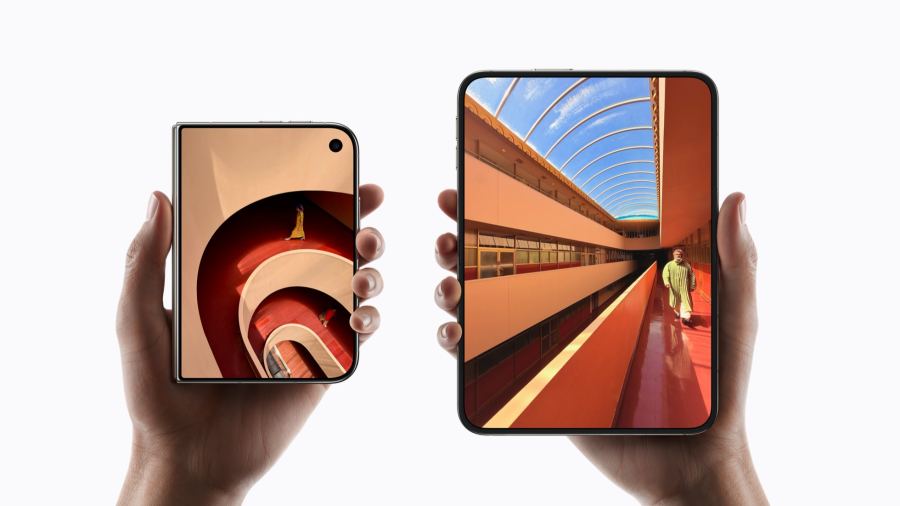
The Duo uses a book-style hinge. Closed, it measures roughly the size of a passport with a 5.4-inch outer display that covers about 90 percent of the screen area of the new iPhone 18 Pro. Opened, the inner panel expands to 7.6 inches—the largest display ever on an iPhone and roughly 50 percent larger than the 18 Pro Max. Both screens support ProMotion, always-on capability, and peak brightness up to 3,000 nits. Apple claims a custom nano-texture material keeps the inner surface perceptually flat, addressing the crease problem that has dogged earlier foldables.
Pricing starts at $1,999 for 256 GB and climbs with higher storage tiers. Pre-orders opened October 16; general availability began October 23. That is a full month after the iPhone 18 Pro and Pro Max, which went on sale September 18 after pre-orders on September 12. The staggered timing is deliberate.
The 18 Pro starts at $1,199 and the Pro Max at $1,299—a $100 increase over the prior generation. Both run the A20 Pro chip built on TSMC’s 2 nm process, paired with a redesigned vapor chamber that improves sustained performance. The standout camera feature is a variable aperture on the 48 MP Fusion Main camera, allowing the system to shift between wider and narrower openings for low-light or deeper-focus shots. Battery claims reach 36 hours of video playback on the Pro and 45 hours on the Pro Max for eSIM-only models. Colors include black, silver, glacier, and burgundy.

The Missing Base Model and the New Calendar
For the first time in years, Apple did not announce a standard iPhone 18 at the September event. Reporting indicates the base model, an 18e, and a second-generation iPhone Air are planned for spring 2027. The fall window is reserved for the highest-margin devices: the two Pro models and the Duo. This split reduces lineup congestion, gives the foldable clear marketing space, and aligns the most expensive products with the holiday quarter.
The strategy also reflects manufacturing realities. Foldable displays and hinges remain complex; Apple has already acknowledged supply constraints on the Duo heading into the December quarter. By concentrating fall volume on the Pro phones and a limited number of Duos, the company can manage yields while still generating strong average selling prices.
Under John Ternus, who became CEO on September 1, the September event was his first major product showcase. Ternus framed the Duo as the most transformational iPhone since the original, arguing that a larger display opens new possibilities for productivity, media, and multitasking that a single-screen phone cannot match. Early software support includes more than 100,000 optimized apps, with Apple Pencil support expected later in the year.

Why the Duo Matters Beyond Specs
Samsung and others have shipped book-style foldables for years. Apple’s entry still matters because of distribution, software integration, and brand trust. The Duo is eSIM-only worldwide, continuing Apple’s push away from physical SIMs. Its outer display is large enough for most daily tasks, reducing the need to open the device constantly—an advantage over smaller cover screens on some competitors. The shared aspect ratio between outer and inner panels simplifies app layout work.
Camera hardware is more limited than the 18 Pro: two rear cameras instead of three, no dedicated telephoto with 8x optical zoom. Face ID is replaced by side-button fingerprint authentication on the Duo. These trade-offs keep thickness and cost in check while still delivering a usable closed-phone experience. Early store reports and earnings commentary indicate demand has outstripped supply, with shipments constrained and some display-related returns occurring at a low rate. Ternus has described the return volume as very small and said Apple is replacing affected units.
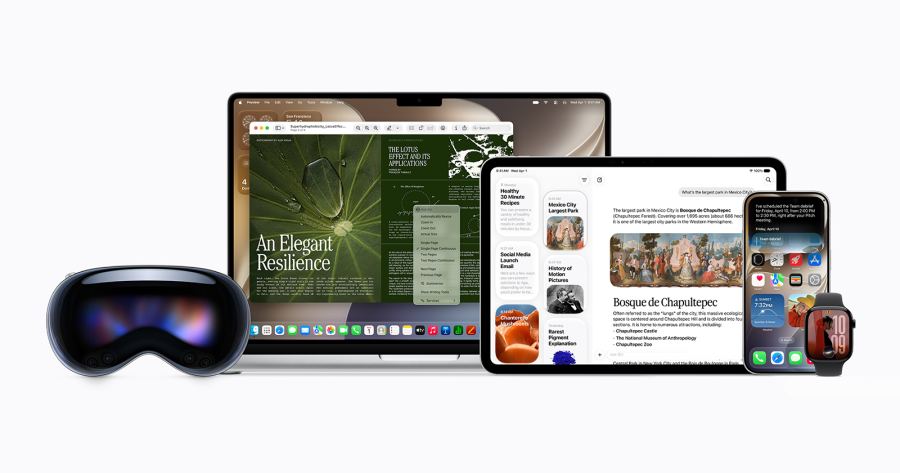
The broader lineup reinforces the premium focus. Apple Watch Series 12 arrived alongside the phones with a new Health Sensing System, readiness scoring, and ceramic case options. AirPods 5 and software updates that introduce Siri AI on iOS 27 further round out the fall refresh. The software side brings on-device and Private Cloud Compute intelligence that can draw on personal context across apps, with Siri AI rolling out in English beta first.
Earnings Context and What Comes Next
Ternus’ first earnings report, covering the September quarter, showed record revenue of $114.5 billion, up 12 percent year over year, with iPhone revenue at a September-quarter high. The quarter included only eight days of 18 Pro sales. Mac revenue rose sharply, partly on AI-related demand. Services set a new high, though App Store gaming faced headwinds and regulatory changes in several markets. Gross margin hit 47.9 percent, aided by tariff refunds.
Guidance for the December quarter is more cautious. Apple expects gross margin of 45–46 percent, below prior levels, citing unprecedented memory-chip pricing. Duo supply remains constrained, and the company has not given a clear timeline for catching up to demand. Services growth is guided at 8–9 percent. The holiday quarter will be the first real test of whether the higher-priced Pro models and the $1,999 Duo can offset cost pressures and deliver the growth investors expect.
Longer term, the spring 2027 introduction of the base iPhone 18 and Air 2 will complete the dual-cycle approach. If it works, Apple gains two major launch windows per year without overcrowding any single event. If the Duo’s durability or software experience disappoints, the premium bet becomes harder to defend. Early optimized-app counts and the relatively large outer screen suggest Apple has learned from competitors’ missteps, but real-world hinge reliability and battery life under heavy multitasking will decide adoption beyond early enthusiasts.
Watch for three signals in the coming months: how quickly Duo availability normalizes, whether memory costs continue to squeeze margins into 2027, and how the base iPhone 18 is positioned in price and features relative to the Pro models that led the fall. The September event under Ternus marked more than a product launch. It established a new rhythm for Apple’s most important franchise and placed a foldable at the center of that rhythm.
Comments
0