

Inside Ternus’ First Quarter: Record Revenue Meets Rising Costs and a Foldable Bet
John Ternus stepped into the CEO role on September 1 and faced his first public financial test just two months later. Apple reported fiscal fourth-quarter revenue of $114.5 billion, a 12 percent increase from the prior year and a new September-quarter record. Earnings per share reached $2.10, comfortably ahead of the $1.99 analysts had penciled in. The numbers confirmed that the company’s core hardware business remains resilient even as the product lineup shifts under new leadership.
What the Numbers Actually Show
iPhone revenue came in at $57.58 billion, up 17 percent and ahead of most estimates. That figure includes only about eight days of sales for the iPhone 18 Pro and Pro Max, which reached stores on September 18. The foldable iPhone Duo, which began shipping on October 23, contributed nothing to the reported quarter. Services revenue grew to roughly $31.6 billion, setting another all-time high, though the growth rate has slowed from earlier years. Mac sales jumped more than 20 percent, helped by new models, while iPad lagged behind expectations.

The market reaction was cooler than the beat suggested. Shares fell in extended trading after Apple flagged pressure on gross margins from higher memory-chip costs and offered a December-quarter outlook that, while solid, did not fully offset concerns about component inflation. Ternus and CFO Kevan Parekh pointed to strong customer response across the new lineup, yet the conversation quickly turned to supply constraints and the cost of DRAM and NAND heading into the holiday period.
The Product Lineup Ternus Inherited and Shaped
The September event marked Ternus’ first major product keynote as CEO. Apple introduced the iPhone 18 Pro and Pro Max with a variable-aperture main camera, the A20 Pro chip on a 2-nanometer process, and improved battery life. The Pro Max in particular received the largest single-generation battery gain the company has claimed in years. Pricing rose $100 on both Pro models, landing at $1,199 and $1,299 respectively for the base configurations. Those increases partly reflected component costs and partly the usual premium positioning.
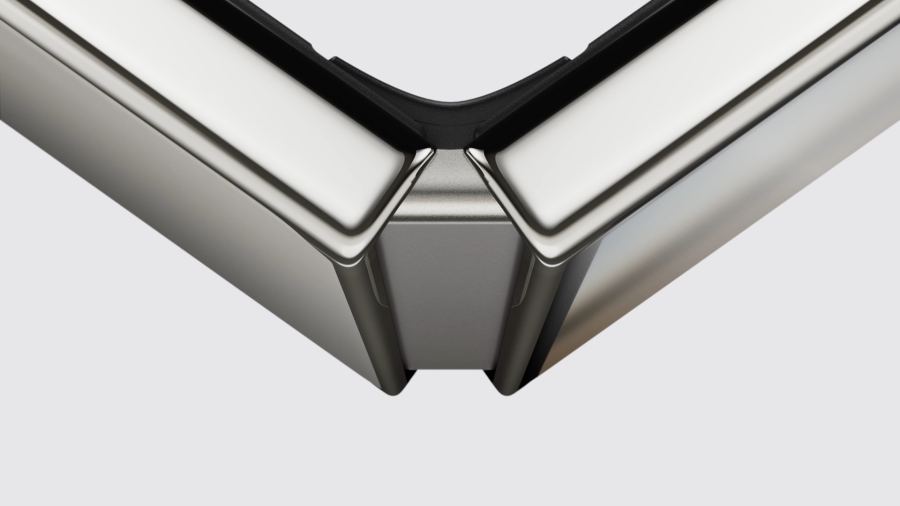
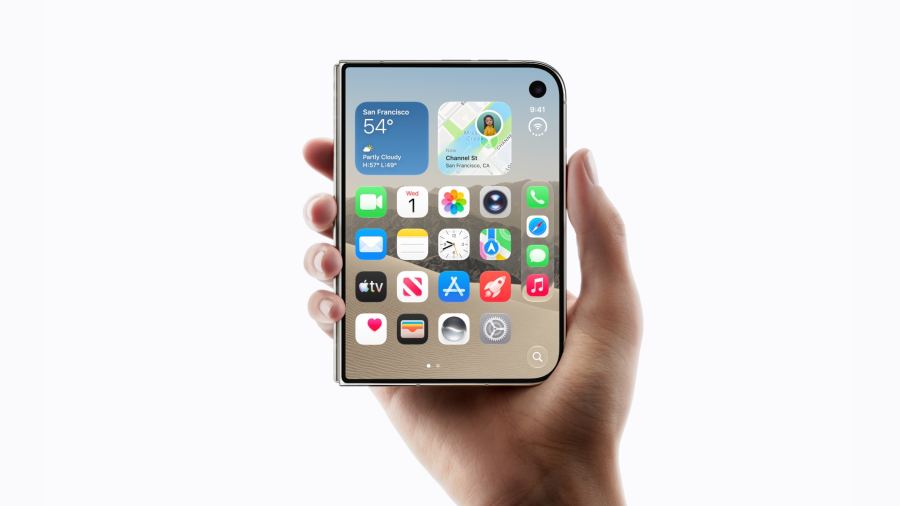
The bigger strategic move was the iPhone Duo, Apple’s first foldable. Closed, it carries a 5.4-inch outer display that delivers most of the usable area of a standard Pro. Opened, the 7.6-inch inner panel becomes the largest iPhone screen yet, with a nano-texture finish and a precision hinge designed for a smooth, low-crease experience. Starting at $1,999 with 256 GB, the Duo sits well above the Pro Max and targets users who want tablet-like multitasking in a pocketable device. Pre-orders opened mid-October and availability began October 23 in more than 70 countries. Early reports of store lines and limited stock suggest demand exceeded initial production capacity, a pattern familiar from prior constrained launches.
Alongside the phones, Apple refreshed the Watch lineup with Series 12 and Ultra 4. Both gain a new health-sensing system that tracks heart rate more frequently and feeds a readiness score. The Ultra 4 pushes battery life toward 50 hours in some modes and retains the titanium construction aimed at outdoor users. AirPods 5 arrived with improved audio and tighter integration with the new Siri AI features rolling out in iOS 27. These supporting products matter because they expand the installed base that feeds Services, the segment that has carried much of Apple’s margin expansion in recent years.
Why the Cost Environment Matters Now
Memory prices have risen sharply as AI data-center demand absorbs supply. Apple has historically managed component costs through long-term agreements and design choices that stretch existing silicon further. Ternus’ first quarter shows the limits of that approach when industry-wide shortages hit. The company still posted strong profits, but the guidance language around margins and the explicit mention of memory costs signal that the holiday quarter will test pricing power and operational flexibility more than the September period did.
Investors are also watching how Ternus discusses Apple Intelligence and the next-generation Siri. The software updates that arrived with iOS 27 and watchOS 27 bring more conversational capabilities, on-device context, and features such as Workout Buddy that run with or without a nearby iPhone. These are not yet major revenue drivers, but they form part of the differentiation argument for the new hardware. If the Duo and Pro models sustain high average selling prices into 2027, the AI software layer needs to feel like a reason to upgrade rather than a background improvement.
What to Watch Through the Holidays and Beyond
The December quarter will include the first full period of Duo sales plus the bulk of Pro and Pro Max holiday volume. Supply constraints on the foldable could cap upside if production ramps more slowly than demand. At the same time, the higher starting prices across the lineup give Apple some buffer against rising component costs, provided customers accept the increases. Early store traffic and pre-order patterns for the Duo have been encouraging, yet the absolute volume of a $2,000 device will remain smaller than the Pro models for some time.
Beyond the near term, Ternus faces questions about product cadence and organizational structure. Reports before the earnings call suggested he is examining ways to accelerate hardware releases and streamline engineering. The decision to launch the Duo and the Pro models together, while delaying a standard iPhone 18, already shows a willingness to adjust the traditional fall cadence. Whether that approach continues, and how quickly the company can improve foldable yields, will shape the competitive position against Samsung and others that have been in the category for years.
Services growth, while still healthy, is no longer accelerating at the same pace. Advertising, cloud, and payment services set records in the quarter, but the overall rate has moderated. Maintaining double-digit expansion will require both the installed-base growth that new hardware provides and continued expansion of Apple’s own subscription and advertising offerings. The App Store remains a regulatory flashpoint in multiple regions; any material change to fee structures would appear in the Services line over subsequent quarters.
For now, the first earnings print under Ternus shows a company that can still post record revenue while absorbing a leadership transition and a major product-category expansion. The stock’s reaction indicates the market wants clearer visibility on margins and on how the Duo scales. Those answers will arrive with the holiday results and with the next product cycle. Until then, the combination of a strong September quarter, a new foldable in the lineup, and an acknowledged cost headwind sets the framework for Apple’s next several months.
Customers who waited for the Duo are now evaluating whether the larger screen and multitasking software justify the premium. Reviewers have noted the hinge feel and the way iOS adapts layouts around the crease. Real-world durability and long-term software support will matter more than launch-week impressions. On the Pro side, the variable aperture and battery gains are the features most likely to drive upgrades among existing users. Both products benefit from the broader Apple Intelligence rollout that continues across the ecosystem.
Ternus has described the current moment as an opportunity to put a clearer product stamp on the company. The September event and the subsequent earnings call were the first public steps. The next ones will be measured in units shipped, margin trends, and whether the foldable experiment expands the addressable market or remains a high-end niche. The numbers from this quarter give him a solid starting point; the cost environment and the supply picture for the Duo will determine how much room he has to maneuver through the rest of the fiscal year.
Comments
0