
After the Fold: Ternus Steers Apple Through Supply Limits, AI Betas, and Margin Headwinds
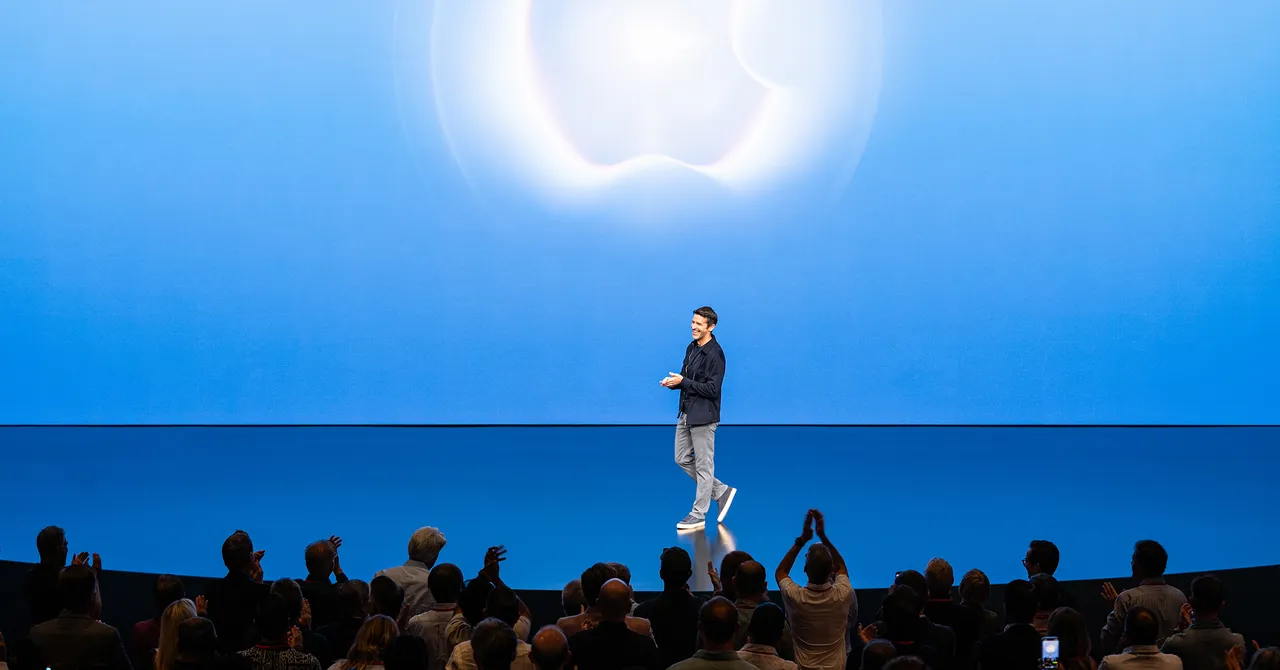
John Ternus stepped into the CEO role on September 1 and, barely two months later, is already managing the most complex product cycle Apple has seen in years. The September “Surprise and Shine” event delivered the iPhone 18 Pro lineup and the company’s first foldable, the iPhone Duo, alongside refreshed Apple Watch models and AirPods 5. Sales of the Pro phones have been strong enough to push fiscal fourth-quarter revenue to $114.5 billion, yet the Duo remains tightly constrained and rising memory costs are already pressuring the outlook for the holiday quarter.
What the September Event Actually Delivered
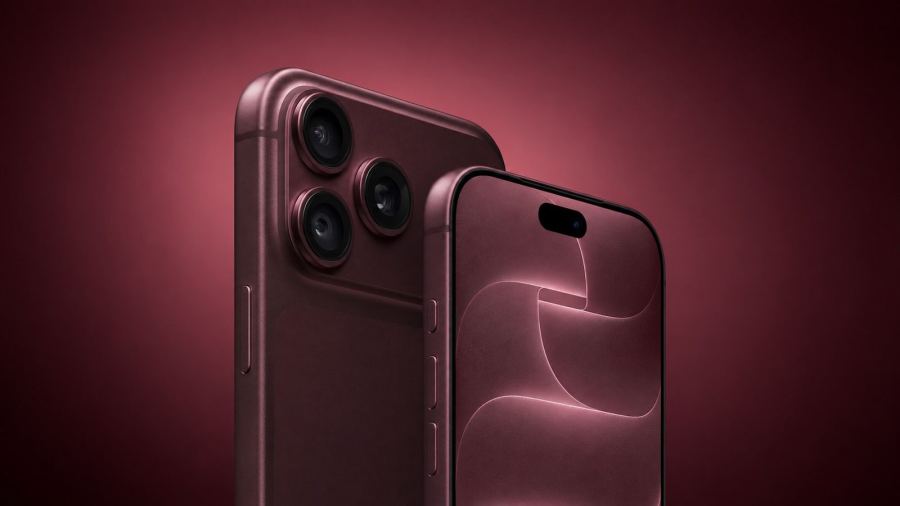
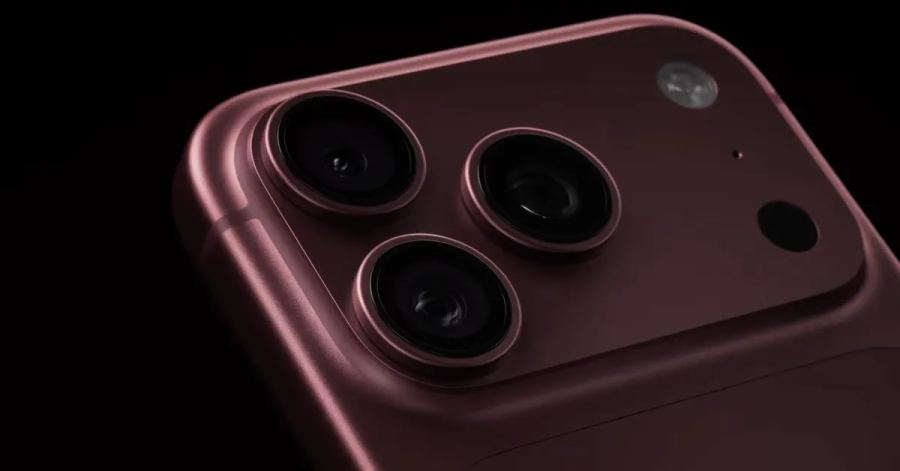
The iPhone 18 Pro and Pro Max kept the familiar design language of the previous generation while introducing the A20 Pro, Apple’s first 2-nanometer chip, a variable-aperture main camera, and meaningfully longer battery life. Starting prices rose $100 to $1,199 and $1,299 respectively, with pre-orders opening September 12 and general availability on September 18. The foldable iPhone Duo, by contrast, was positioned as a more limited, higher-priced device starting at $1,999. Pre-orders began October 16 and the first units reached customers October 23, but supply has not kept pace with demand.
On the wearable side, the Apple Watch Series 12 and Ultra 4 introduced the Health Sensing System and laid the groundwork for Audio Intelligence features that are now appearing in the watchOS 27.3 developer beta. Those features—Siri Recap and Live Rewind—process ambient audio on-device to generate summaries or short transcripts. Apple has emphasized privacy controls and local processing, yet the always-listening capability has already drawn early scrutiny from privacy advocates ahead of a planned December public release.
Why the Duo Supply Situation Matters More Than the Specs
During the November 2 earnings call—Ternus’s first as CEO—executives confirmed that iPhone Duo remains constrained. Many orders are not expected to ship until late January. For a product Apple has described as the most transformational iPhone since the original, the gap between announcement and reliable availability creates a practical problem. Early adopters who want the foldable experience are waiting, while the more readily available 18 Pro models are carrying the bulk of the revenue contribution so far.

The constraint is not simply a manufacturing hiccup. Foldable hinges, the dual-display stack, and the need to maintain Apple’s durability standards have historically been harder to scale than conventional slab phones. Apple appears to have accepted a slower ramp rather than risk quality issues that could damage the category launch. That choice protects the brand but also means the Duo will contribute only modestly to the current fiscal year and will be a bigger factor in 2027 results.
Margins Under Pressure From Memory Costs
The more immediate financial tension comes from memory pricing. On the earnings call, Ternus and CFO Kevan Parekh described the current environment as unprecedented. Gross margin guidance for the December quarter settled at 45–46 percent, below the roughly 46.3 percent analysts had modeled. Higher memory costs, combined with the still-limited Duo mix and ongoing investment in Siri AI features, are the main drivers. Apple has historically been skilled at managing component inflation, but the scale of the AI-driven memory demand across the industry is outside its usual experience.
This creates a classic product-cycle dilemma. The 18 Pro models are selling well and carry higher average selling prices than last year, which helps revenue. Yet the same memory price spike that forced the $100 price increase on the Pro line is also compressing margins. Services growth, while still solid, is not accelerating enough to fully offset the hardware cost pressure in the near term.
Apple Intelligence and the Watch Beta as Strategic Signals
Beyond hardware availability, the software layer is evolving. iOS 27 brought Siri AI to supported devices earlier this fall. The current watchOS 27.3 beta extends that intelligence to the wrist with Audio Intelligence. Because these features run primarily on-device (with limited Private Cloud Compute fallback), they reinforce Apple’s privacy-first positioning even as competitors push more aggressive always-on recording products. Whether users ultimately find the utility worth the privacy trade-off will become clearer once the features reach the public in December.

For Ternus, these software moves serve a dual purpose. They give the new product lineup differentiated capabilities that do not depend solely on the foldable form factor, and they keep Apple visible in the AI conversation without requiring the massive data-center spending seen at pure-play AI companies. The earnings call itself was noted by some observers as more scripted than expansive; Ternus stuck closely to prepared remarks and deferred several questions to the CFO and COO. That approach may have disappointed investors looking for a bolder personal vision, but it also avoided early missteps on sensitive topics such as Duo supply timelines and margin trajectory.
What to Watch Through the Holiday Quarter and Into 2027
Three variables will shape the narrative over the next few months. First, how quickly Duo production can scale. If the late-January shipments materialize in volume, the device can still contribute meaningfully to the March quarter. If the constraint persists, Apple will have to manage expectations carefully while the more available Pro models continue to carry the iPhone business. Second, the trajectory of memory pricing. Ternus indicated that costs are expected to remain elevated beyond the December quarter; any moderation would ease margin pressure and potentially allow more aggressive pricing or feature investments later in 2027. Third, reception of the Audio Intelligence features once they leave beta. Positive user feedback would strengthen the case for deeper on-device AI across the wearable line; persistent privacy concerns could force tighter defaults or clearer consent flows.
Ternus has described the current period as one of the most prolific launch windows in Apple’s history. The numbers so far support the revenue side of that claim. The operational and cost side is more mixed. The company is delivering differentiated hardware and software while simultaneously navigating a constrained flagship foldable and an industry-wide memory squeeze. How cleanly those tensions are resolved will determine whether the first full year under Ternus is remembered primarily for the arrival of the foldable iPhone or for the discipline required to bring it to market at scale without sacrificing margins or quality. Both outcomes are still possible; the next two quarters will decide which one dominates the story.
Comments
0