
The Ternus Transition: How Supply Gaps and AI Betas Redefine Apple's Hardware Moment
Apple's September "Surprise and Shine" event delivered the company's first foldable phone, the iPhone Duo, alongside refined iPhone 18 Pro models, updated Watches, and AirPods. Weeks later, the story has shifted from launch spectacle to the practical realities of production, pricing power, and the gradual rollout of Apple Intelligence features. Under new CEO John Ternus, who took the helm on September 1 after Tim Cook's long tenure, the company is navigating extraordinary demand for its most ambitious iPhone yet while confronting rising component costs and a deliberately cautious approach to on-device AI.
This analysis examines what the official announcements established, how early sales and earnings data have tested those claims, and what the emerging Audio Intelligence betas on Apple Watch reveal about Apple's broader strategy. The picture is one of strength in the core business tempered by the classic Apple tension between innovation ambition and manufacturing scale.
What the September Event Actually Delivered
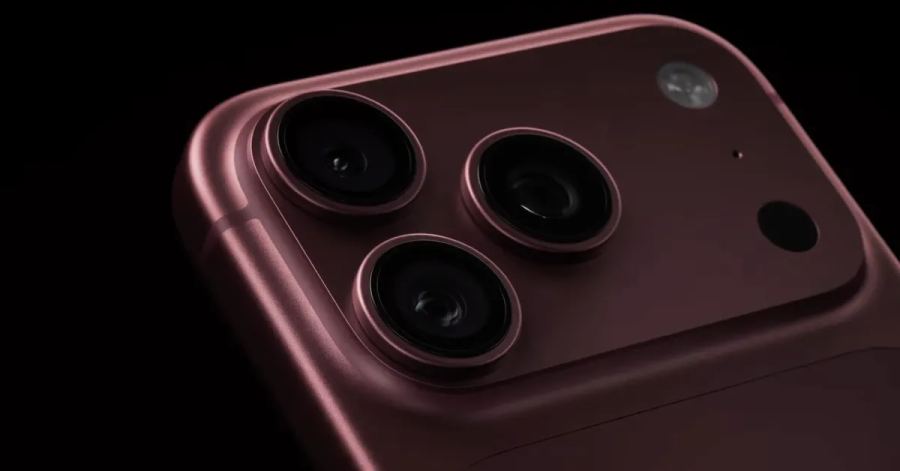
The iPhone 18 Pro and Pro Max arrived with evolutionary rather than revolutionary changes. Same 6.3-inch and 6.9-inch displays, a smaller Dynamic Island capable of showing more Live Activities, and the A20 Pro chip built on TSMC's 2-nanometer process. Battery life improved, with the Pro Max claiming up to 45 hours of video playback, and wireless charging got faster. New colors including burgundy joined the lineup, and 2TB storage options expanded beyond the Max. Pricing started at $1,199 for the Pro and $1,299 for the Pro Max, a $100 increase over the prior generation in each case. Pre-orders opened September 12, with general availability on September 18.
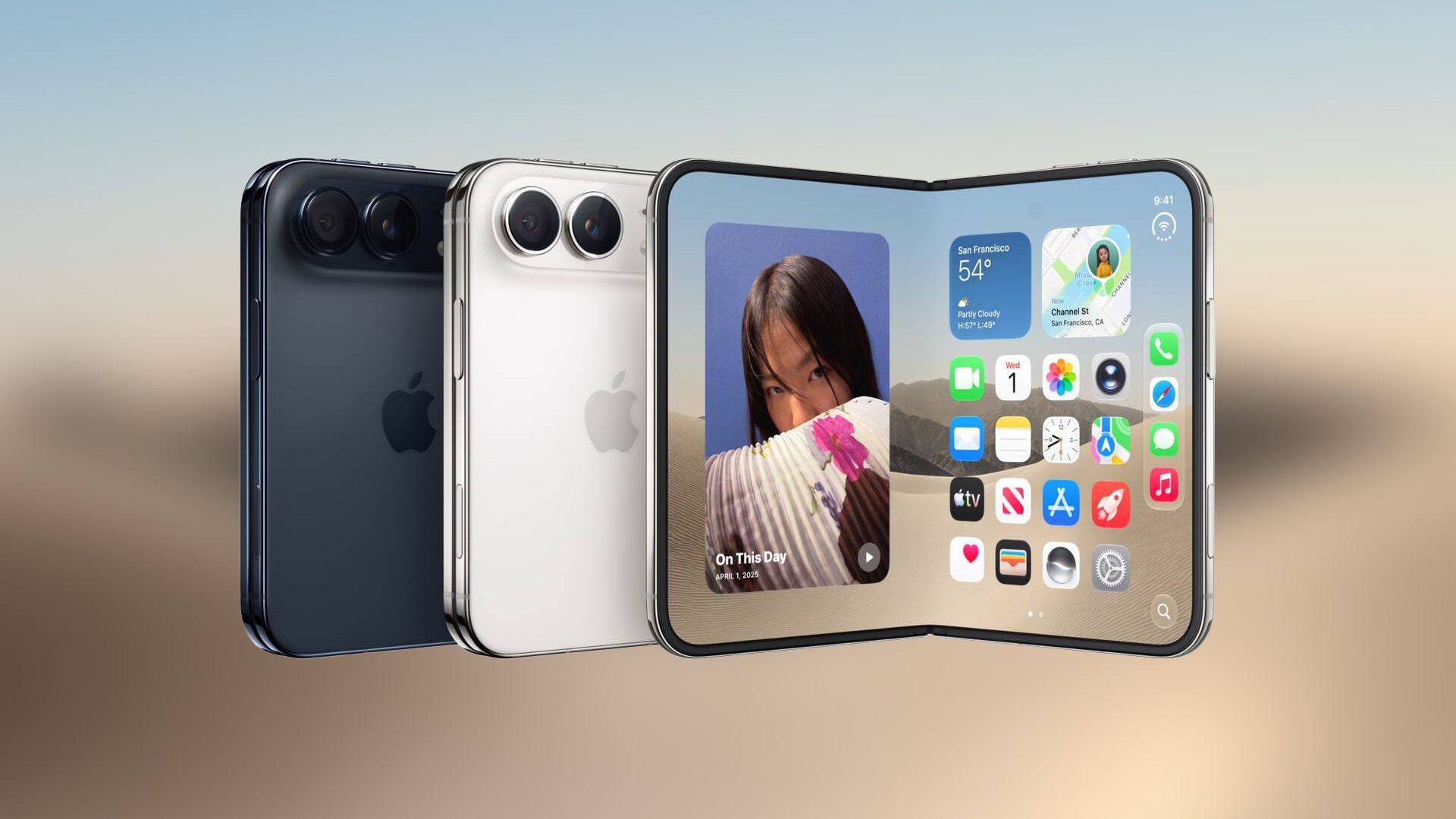
The headline act was the iPhone Duo. Apple positioned it as the thinnest iPhone ever when open, with a 7.6-inch inner display and a 5.4-inch outer screen that shares the same aspect ratio for seamless content scaling. Dual batteries support up to 44 hours of video playback on the outer display alone. It runs the same A20 Pro silicon, supports Apple Pencil, and features a nano-texture finish intended to reduce the visibility of the fold crease. Colors are Star White and Night Sky. The base model starts at $1,999 for 256GB, scaling to $3,199 for the 2TB configuration. Pre-orders began October 16, with store availability on October 23.
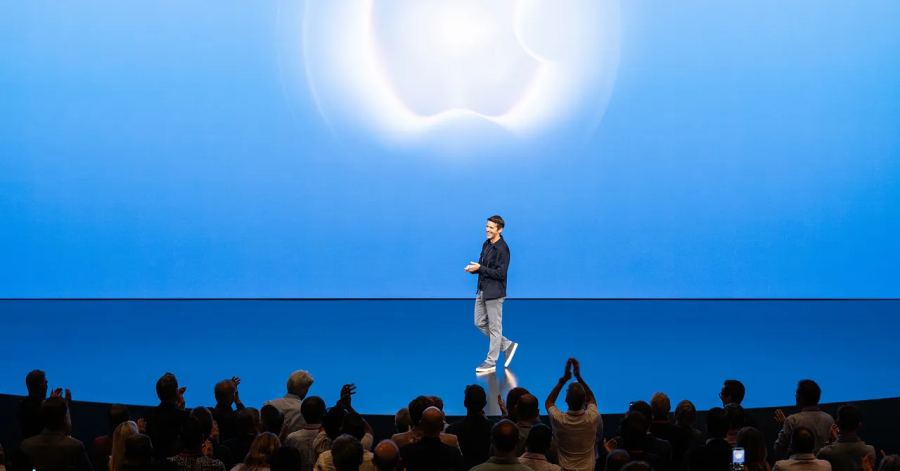
Ternus, in his first major product event as CEO, framed the iPhone as an "intelligent personal hub" and contrasted the Duo's continuous frame and fluid open-close transition with what he described as competing foldables that feel like two phones stuck together. The presentation emphasized integration with the broader Apple ecosystem, including new Watch Series 12 and Ultra 4 models featuring a Health Sensing System and the first hints of Audio Intelligence.
Demand Meets Reality: The Duo Supply Constraint
Pre-orders for the Duo told a stark story. Within minutes of the online store opening on October 16, delivery estimates slipped from the planned October 23 launch window into November, then December, and ultimately into late January 2027 for most configurations. Apple described demand as "nothing short of extraordinary" in a statement to the Financial Times and said it was working to accelerate supply. Reports from analysts and supply-chain sources indicated production had ramped more slowly than a typical iPhone cycle, with early daily output in the low hundreds of units rather than the tens of thousands expected for a mainstream model.
On the Q4 earnings call in early November, Ternus and COO Sabih Khan confirmed the Duo remains constrained. Many orders still show delivery into early 2027. The company has not provided specific unit figures, but the combination of high price and limited availability has created a secondary market on platforms like eBay where units are listed at significant premiums. Some regional reports, particularly from Japan, suggest a subset of orders have seen estimated dates move forward, though Apple has not confirmed broader improvements and such shifts could still reverse.
This pattern is familiar from past constrained launches such as the original iPhone X or early Apple Watch models, but the Duo's positioning as the most transformational iPhone since 2007 raises the stakes. Strong initial demand validates the product concept and pricing power. Persistent shortages, however, risk leaving revenue on the table during the critical holiday quarter and ceding mindshare to Android foldables that are more readily available. Ternus' first earnings call highlighted the tension: record overall results driven by the 18 Pro lineup and services, yet the marquee new form factor remains supply-limited.
Earnings Under Ternus: Record Revenue, Margin Pressure
Apple reported fiscal Q4 2026 results on November 2, Ternus' first as CEO. Revenue reached $114.5 billion, up 12 percent year over year and ahead of consensus. iPhone revenue was $57.6 billion, also above expectations, reflecting the early days of 18 Pro sales. Mac sales surged, aided by the MacBook Neo and AI-related demand. Services set a record. Greater China showed strength in some reports, though other segments such as iPad were lighter.
The softer note came in the gross-margin outlook. CFO Kevan Parekh guided to 45-46 percent for the December quarter, below the roughly 46.3 percent analysts had modeled. Ternus attributed the pressure to "unprecedented" increases in memory-chip pricing, driven by AI data-center demand that has prioritized higher-margin supply for hyperscalers over consumer devices. The company also absorbed some costs related to Siri AI improvements. Shares reacted negatively after hours despite the top-line beat, underscoring investor focus on profitability amid the new leadership.
For Ternus, the call served as an early signal of priorities. He emphasized the prolific product cycle just completed and expressed confidence in customer response to the Duo and Pro models. He also addressed AI, defending Apple's measured pace relative to competitors pouring capital into training infrastructure. The focus remains on features that run on-device or via Private Cloud Compute, preserving privacy while integrating into existing products rather than launching standalone AI hardware.
Audio Intelligence and the Wrist as AI Interface
While the Duo captures headlines, a quieter but significant development arrived in early November with the iOS 27.3 and watchOS 27.3 developer betas. Audio Intelligence features first previewed in September are now available for testing on Series 12 and Ultra 4. Live Rewind lets users double-press the Digital Crown to surface a text transcript of the previous 15 seconds of nearby conversation. Siri Recap generates bullet-point summaries of longer discussions without storing raw audio or identifying speakers. Additional capabilities include sound recognition for important alerts and improved song identification via Shazam.
Apple has built in explicit privacy and consent signals: an audible chime and on-screen animation when capture occurs, automatic deletion of unsaved snippets after 30 seconds or seven days for recaps, and processing that stays on-device or in encrypted Private Cloud Compute. The features are strictly opt-in and currently limited to English. Early hands-on reports describe solid performance in quiet environments with occasional transcription errors in noisier settings. Full public release is targeted for December.
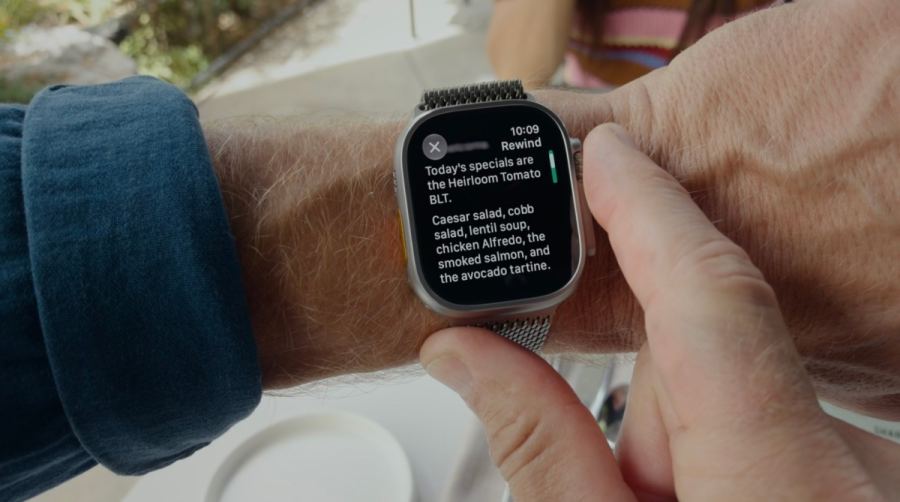
This rollout illustrates Apple's AI philosophy under Ternus. Rather than competing directly on large language model scale, the company is embedding contextual, low-friction intelligence into devices people already wear and carry. The Watch becomes a passive listening companion that can catch missed details in a meeting or restaurant order without requiring the user to pull out a phone. Combined with the redesigned Health app appearing in the same betas, including better insights for heart, sleep, and fitness data, it extends the health and utility narrative that has long differentiated Apple Watch.
What to Watch Next
Several threads will define the next few months. First, Duo production ramp: any sustained improvement in delivery estimates or increased retail availability will determine how much of the holiday quarter the foldable can contribute. Second, margin trajectory: if memory costs remain elevated, Apple may need to lean harder on services growth or selective price adjustments. Third, AI expansion: the December public beta of Audio Intelligence, broader Siri AI language support, and any further China-specific features will test whether the measured approach resonates with users and regulators.
Ternus inherits a company still dominant in premium smartphones and wearables, with a services business that provides high-margin ballast. The Duo represents both a technological milestone and a supply-chain stress test. The early Audio Intelligence betas show the company continuing to prioritize privacy-preserving, device-centric AI over raw capability. How successfully Apple balances these priorities will shape the first full year of the Ternus era and the competitive standing of its product lineup heading into 2027.
For now, the data points to a company that can still command premium pricing and generate record revenue even while its most novel product remains scarce. The test for Ternus is converting that scarcity into sustained advantage rather than prolonged frustration for customers ready to fold open a new kind of iPhone.
Comments
0