
Inside Ternus’ First Earnings: Momentum from the New Product Cycle Meets Rising Memory Costs
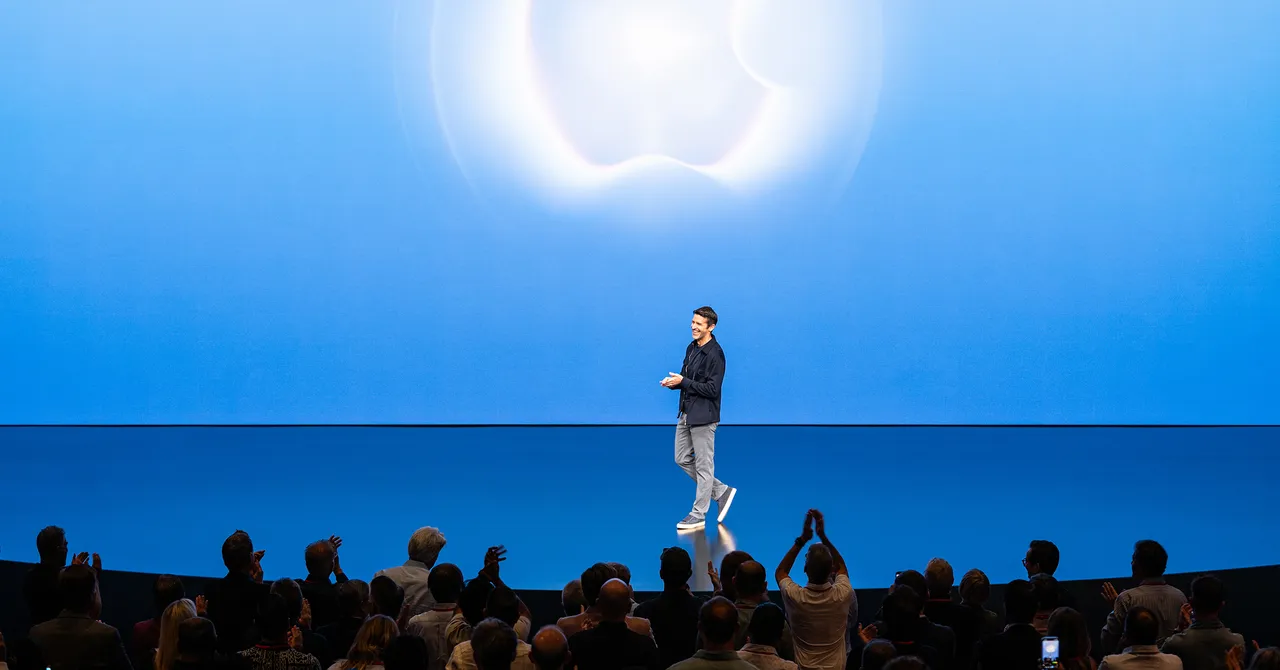
John Ternus stepped into the CEO role on September 1 and, barely two months later, hosted his first earnings call. The September quarter results that landed this week showed a company still generating strong demand across its core categories, even as the new product cycle is only partially reflected in the numbers and as component inflation begins to bite. Revenue reached $114.5 billion, ahead of consensus, with iPhone contributing a September-quarter record and Mac posting a sharp year-over-year gain. The call itself, however, quickly turned to the practical constraints facing a hardware-centric leadership team heading into the holiday quarter.
What the Numbers Actually Showed
The headline figures were cleanly positive. Revenue rose roughly 12 percent from the year-ago period. Earnings per share came in at $2.10, also ahead of estimates. iPhone revenue of $57.58 billion cleared the Street’s bar, and Mac revenue of about $10.8 billion rose more than 20 percent. Services continued to grow, though at a slower rate than in prior periods. Gross margin for the quarter printed at 47.9 percent, in line with or slightly better than expectations.
Those results arrived after only a brief window of iPhone 18 Pro and Pro Max availability in the period. Pre-orders for those models began in mid-September and general availability followed days later; the foldable iPhone Duo, announced at the same September event, did not begin shipping until late October. The September quarter therefore captures only the earliest days of the Pro cycle and none of the Duo’s contribution. The strength visible in the numbers is thus more a function of the broader installed base, residual demand for prior models, and the Mac’s continued recovery than of the full new lineup.

The Memory Cost Warning
The tone shifted when guidance arrived. Management indicated that December-quarter gross margin is expected to land between 45 and 46 percent, below the roughly 46.3 percent average analyst estimate. The primary driver cited was memory pricing that Ternus and CFO Kevan Parekh described as unprecedented. Both DRAM and NAND have moved higher through the second half of the year as AI-related demand from data-center customers has tightened supply. Apple, despite its scale, is not immune; the company acknowledged it is paying more for memory than it did earlier in 2026 and expects those prices to keep rising through the end of the current quarter.
For a CEO whose background is in hardware engineering rather than operations or finance, the issue is familiar territory. Ternus spent years leading the teams that design the mechanical and thermal systems inside iPhone, Mac, and Apple Watch. He has spoken in the past about materials, durability, and the practical constraints of packaging. The memory situation is a different kind of constraint: an input cost that sits outside Apple’s direct design control and that scales with every unit shipped. Higher memory prices affect the bill of materials on every product that carries significant storage or RAM, from the base iPhone configurations to the high-capacity MacBook models that have driven the recent Mac strength.
Product Cycle Context and the Duo
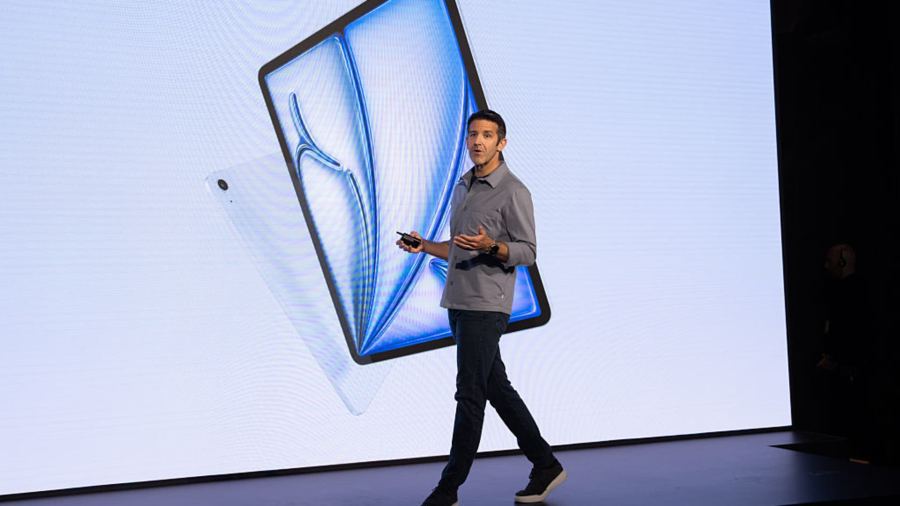
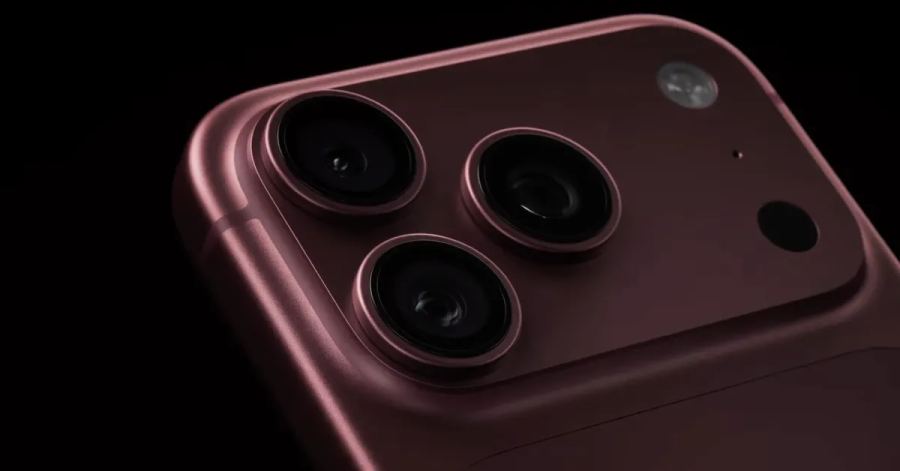
The September event introduced the iPhone 18 Pro and Pro Max alongside Apple’s first foldable, the iPhone Duo. The Pro models retained familiar industrial design language while adding the A20 Pro chip on a 2-nanometer process, a revised thermal architecture, and camera refinements including variable aperture on the main sensor. Pricing moved up $100 at each tier, to $1,199 and $1,299 respectively. The Duo, by contrast, is a more radical departure: a book-style foldable with a 7.6-inch inner display and a 5.4-inch outer display that share the same aspect ratio, a titanium frame, dual batteries, and the same A20 Pro. It starts at $1,999 and began shipping on October 23.
Because Duo volume is still ramping, its financial impact will appear primarily in the December quarter and beyond. Early reports indicate strong initial interest but also supply constraints; some orders have been pushed into January. Ternus noted on the call that customer response to the overall lineup has been positive. The margin guidance, however, suggests that even if unit demand holds, the combination of higher memory costs and the elevated bill of materials on the Duo itself will limit the near-term profit contribution relative to a more conventional cycle.
Apple Intelligence and the Broader Software Story
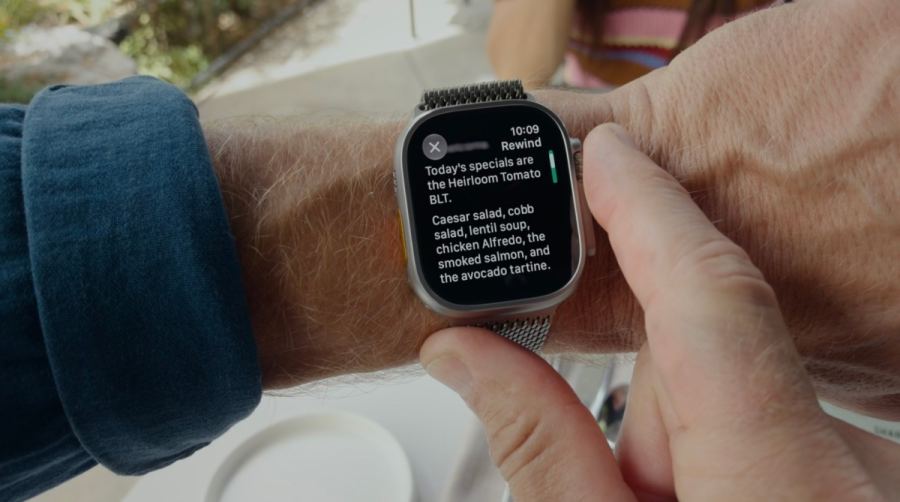
Alongside the hardware announcements, Apple has been expanding Apple Intelligence features. The iOS 27.3 and watchOS 27.3 developer betas that arrived this week bring Audio Intelligence to the latest Apple Watch models. Live Rewind surfaces a text transcript of the prior 15 seconds of nearby conversation after a double-tap of the Digital Crown; Siri Recap produces summaries of longer discussions. Both run on-device. The same beta expands certain Apple Intelligence capabilities to China for the first time and refreshes the Health app. These features were previewed at the September event and are expected to reach the public in December.
The AI story remains a work in progress under Ternus. Siri AI, the more conversational version of the assistant, is still rolling out in stages and is not yet available in every market or with every partner model. The company has been careful to frame AI as a set of capabilities integrated into existing products rather than as a standalone platform. That stance is consistent with Ternus’ public comments that Apple does not intend to ship AI for its own sake. Whether the current pace of feature delivery satisfies investors who compare Apple’s trajectory with those of cloud-first competitors is a separate question, and one that will likely surface more clearly once the holiday quarter results are known.
What to Watch Next
Several variables will determine how the next few quarters read under the new CEO. First is the actual December-quarter margin outcome. If memory prices continue to climb, the 45-46 percent guidance range may prove optimistic; if supply loosens or Apple can offset costs through mix or pricing, the impact could be milder. Second is Duo supply. Limited early production was expected for a first-generation foldable; sustained constraints into 2027 would change the narrative from a successful launch to a capacity bottleneck. Third is the trajectory of Services growth, which has slowed and which still carries regulatory scrutiny in multiple markets.
On the product side, the next major software release cycle and any mid-cycle hardware refreshes will test whether the hardware engineering culture Ternus represents can continue to deliver differentiated experiences while navigating higher input costs. The Mac’s recent strength, attributed in part to demand from AI workloads, suggests that at least one category is benefiting from the broader industry shift. Whether that benefit extends to iPhone and whether Apple can maintain its historical margin structure through the current memory cycle are the central questions the next earnings report will begin to answer.
Ternus’ debut call was measured. He acknowledged the strength of the September results, flagged the memory issue clearly, and deferred some detailed questions to the finance and operations teams. That approach is unsurprising for a first outing. The more telling test will be how the company executes through the holiday quarter and how Ternus frames the trade-offs between product ambition and cost discipline in the periods that follow.
Comments
0