
Ternus’ First Earnings Call Exposes Apple’s Balancing Act on Memory Costs, Duo Supply, and AI Ambition
John Ternus stepped into his first earnings call as Apple CEO on November 2 with a strong quarter behind him and a more complicated road ahead. The company posted record September-quarter revenue of $114.5 billion, up 12 percent year over year, and earnings per share of $2.10. iPhone revenue reached $57.58 billion. Mac revenue jumped 24 percent to $10.8 billion, the best fiscal year ever for the Mac. Yet the numbers that drew the most attention were the ones looking forward: a gross-margin guide of 45 to 46 percent for the December quarter, below the roughly 46.3 percent analysts had modeled, and a services growth outlook of 8 to 9 percent that also trailed expectations.
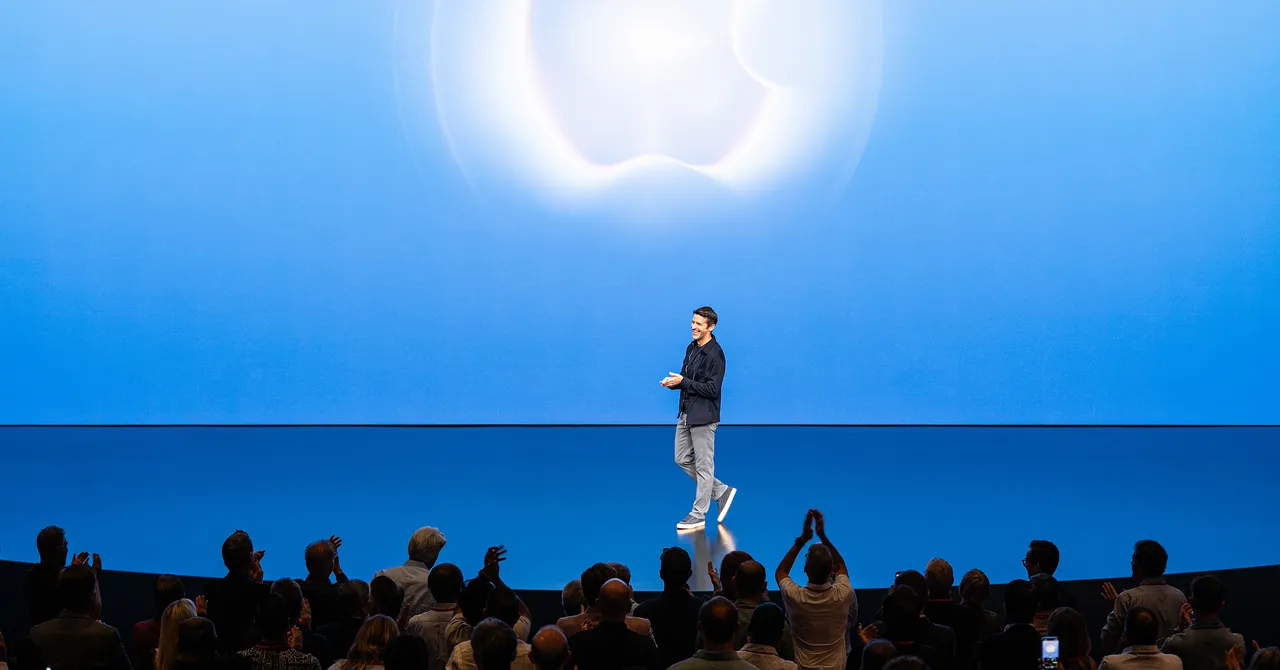
The call marked the first time investors heard Ternus, who took over from Tim Cook on September 1, discuss results in the top job. Cook remains executive chairman. Ternus, long the company’s hardware engineering chief, used the occasion to highlight a product-heavy launch period that included the iPhone 18 Pro and Pro Max, the first-ever foldable iPhone Duo, Apple Watch Series 12 and Ultra 4, and AirPods updates. He called the Duo “the most transformational iPhone since the original.” The September quarter itself captured only a few days of iPhone 18 Pro sales, so the real test for the new lineup, and for the foldable in particular, arrives in the holiday period.
What the Numbers Actually Show
Apple closed fiscal 2026 with full-year revenue of $478.8 billion, up 15 percent. The September quarter beat estimates on the top and bottom lines despite supply constraints and foreign-exchange pressure. iPhone sales set a September-quarter record even though the standard iPhone 18 and a refreshed iPhone Air were held for a later launch. Mac strength was tied in part to what Ternus described as the Mac’s “AI moment,” with the MacBook Neo and MacBook Pro contributing. China revenue of $17.54 billion missed estimates, and iPad sales also came in light. Services grew but at a slower pace than in recent years, reflecting regulatory changes in several markets and softer mobile gaming.
The forward guidance is where the tone shifted. CFO Kevan Parekh pointed to higher memory-chip costs as the primary reason for the margin compression. Ternus called the current memory pricing environment “unprecedented” and said the company is paying more than it did earlier in the year, with further increases expected beyond December. AI-related costs, including work on Siri AI, were also cited as a factor. The Duo remains supply-constrained; deliveries for many configurations have slipped into late January, and production has ramped slowly because of the high quality bar Apple set for its first foldable. Early reports of screen cracking along the hinge have been isolated but have drawn attention, with Apple replacing some units quickly.
Why the Duo and Memory Costs Matter Together
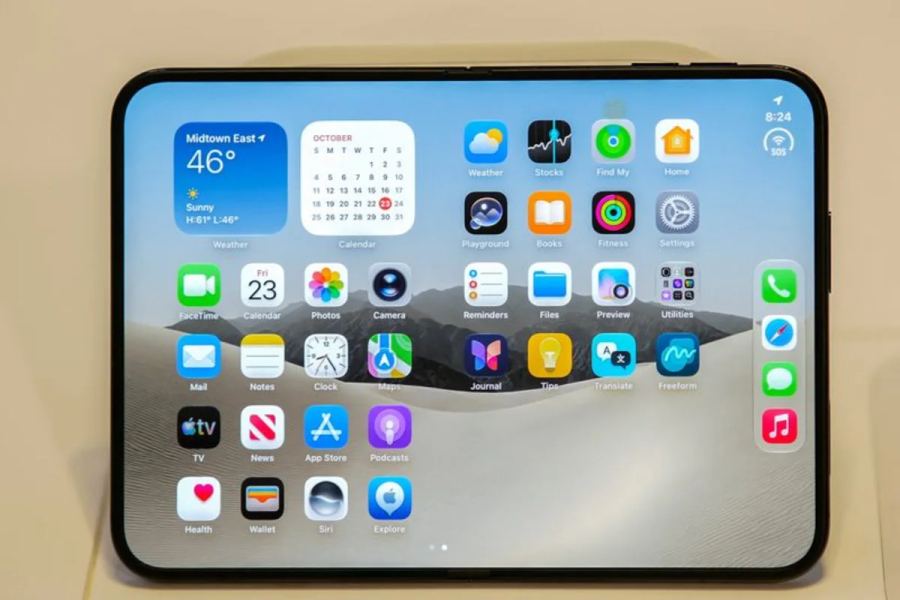
The iPhone Duo is Apple’s highest-profile new form factor in years. It opens to a 7.6-inch inner display that is 50 percent larger than the iPhone 18 Pro Max and folds to a 5.4-inch outer display that covers about 90 percent of the screen area of the iPhone 18 Pro. It starts at $1,999 for 256 GB and runs on the A20 Pro with a custom vapor chamber. When it launched in stores on October 23, demand was strong but supply was rationed. Pre-orders were capped, walk-in availability was limited in many markets, and estimated delivery dates quickly moved out. Analysts had expected the foldable to contribute to holiday-quarter growth; constrained volumes and the elevated cost of the display and hinge components mean its near-term impact on both revenue and margin is more muted than a normal iPhone cycle.
Memory costs are hitting the broader industry, but they land particularly hard on Apple because the company ships so many high-capacity devices and because its premium positioning leaves less room to pass every cost increase through to customers. The iPhone 18 Pro and Pro Max already carried price increases relative to their predecessors. Further broad price hikes risk slowing unit growth at a moment when Apple is also trying to establish a new category with the Duo. The combination of constrained Duo supply and rising component costs is one reason the December-quarter margin guide disappointed. It also explains why Mac strength, while welcome, cannot fully offset pressure in the larger iPhone business.
Leadership Transition and the Scripted-Call Critique
Ternus’s first call drew mixed reviews. Some observers, including commentary in Bloomberg and Fortune, described the remarks as carefully scripted and noted that he deferred several questions to Parekh and COO Sabih Khan. That pattern is not unusual on earnings calls, but it stood out because this was the first opportunity for investors to hear how the new CEO frames strategy. Ternus has spent his career inside Apple’s hardware organization. He joined in 2001, rose through product design and hardware engineering, and led work on multiple generations of iPhone, iPad, Mac, AirPods, and Apple Watch. His elevation signals continuity in product focus rather than a sharp break from the Cook era. The call reinforced that continuity: strong product commentary, measured language on costs, and little new detail on longer-term AI or services strategy beyond what had already been shown at the September event and at WWDC earlier in the year.

App Store oversight has also shifted. With Phil Schiller stepping back from day-to-day App Store responsibilities, services chief Eddy Cue has taken a larger role. Reports have suggested that Ternus and Cue want to find additional ways to grow recurring revenue from the platform after regulatory changes in the United States, Europe, and elsewhere reduced some commission income. Services remains Apple’s highest-margin business, so any sustained slowdown there amplifies the impact of hardware cost pressures.
Apple Intelligence and Wearables Progress
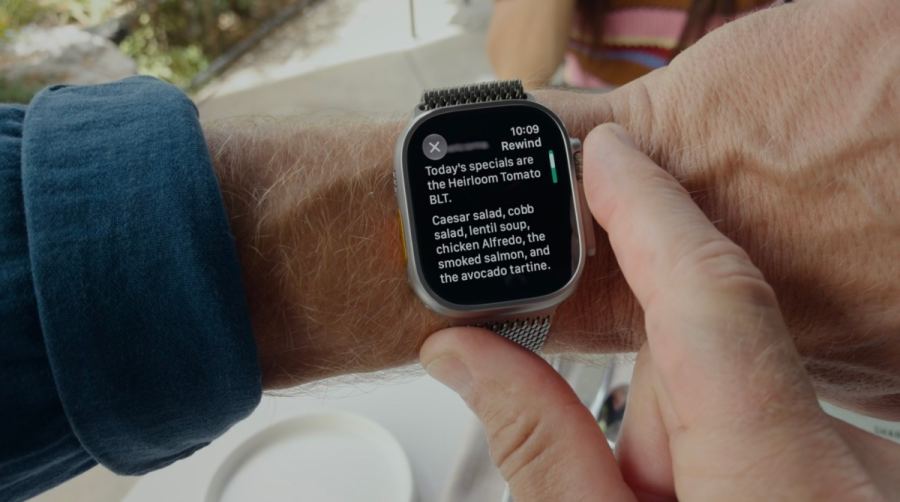
On the product side, Apple continues to expand Apple Intelligence. Siri AI, the more conversational version of the assistant, is rolling out more broadly. On the Apple Watch, Audio Intelligence features that were announced in September have entered developer beta in watchOS 27.3. Live Rewind provides a text transcript of the last 15 seconds of nearby conversation after a double-press of the Digital Crown. Siri Recap can generate optional high-level summaries that are deleted after seven days unless the user saves them. Both features run on-device in the Secure Exclave; Apple says no permanent raw audio recordings are kept. The features are available on Series 12 and Ultra 4 models paired with a compatible iPhone. They illustrate how Apple is trying to push more capable on-device AI into wearables while addressing privacy concerns that have surrounded always-listening devices from other companies.
The Watch Series 12 and Ultra 4 also brought a new Health Sensing System with higher-frequency heart-rate monitoring and other sensor improvements. Combined with the software features, they represent Apple’s continued bet that health and contextual AI will drive wearable attachment and services engagement. Whether those features move the needle on Watch upgrade rates will become clearer in the December quarter and beyond.
What to Watch Next
Several near-term markers will clarify how the Ternus era is unfolding. First is Duo supply. If production continues to ramp only gradually, Apple may not capture as much of the holiday foldable demand as it hoped, and customer wait times could stretch further. Second is the margin trajectory. Memory prices are expected to stay elevated; any additional commentary on the January call about whether Apple has secured better pricing or absorbed more of the cost will matter. Third is the standard iPhone 18 and related models that were deferred. Their spring timing will show whether Apple can still generate a meaningful upgrade cycle outside the traditional September window. Fourth is the public reception of Siri AI and the new Watch features once they move beyond beta. Privacy scrutiny around on-device conversation processing is likely to continue, even if Apple’s implementation differs from cloud-based alternatives.
Longer term, Ternus will be judged on whether Apple can maintain its hardware excellence while navigating higher component costs, regulatory pressure on services, and the need to show meaningful progress in AI that users actually feel. The September event demonstrated that the company can still ship ambitious new form factors. The first earnings call showed that the financial and operational realities of doing so are more complicated than the keynote stage. Investors and customers will be watching whether the product momentum Ternus helped create as hardware chief can translate into durable growth and margin stability under his leadership as CEO.
The next major data point arrives with the December-quarter results, which will include the first full period of iPhone 18 Pro and Duo sales. Until then, the picture is one of a company that beat expectations in the quarter just ended, guided cautiously for the quarter ahead, and is still working through the practical constraints of its most ambitious iPhone in years.
Comments
0