
When the Chipmakers Buy the Lab: How Anthropic’s IPO Turns Suppliers Into Stakeholders in the AI Capacity Race
On November 10, 2026, Anthropic launched the roadshow for what is shaping up as one of the largest initial public offerings in history. The Claude maker set a price range of $70 to $78 per share for 825 million Class A shares, aiming to raise as much as $64.4 billion. At the top of the range the fully diluted valuation reaches roughly $1.4 trillion. Trading is expected to begin on the Nasdaq under the ticker ANT around November 19, subject to regulatory clearance and final pricing on November 18. Details are available on the company’s official IPO site and in contemporaneous reporting from Reuters.
The public numbers alone would mark a milestone. The more consequential development sits alongside the offering. Anthropic disclosed a concurrent private placement in which Google, Nvidia, AMD, Broadcom, Micron, Microsoft, and TSMC agreed to purchase an aggregate $26 billion of non-voting Class N shares at the IPO price. Google and Nvidia are each in for about $10 billion; AMD roughly $2.5 billion; Broadcom, Micron, and Microsoft about $1 billion each; and TSMC up to $500 million. These are not passive financial investors. They are the companies that fabricate the chips, supply the high-bandwidth memory, host the training and inference workloads, and design the custom silicon Anthropic depends on. The distinction between supplier, customer, and shareholder is collapsing in real time.
The Scale of the Commitment
Anthropic’s own filings describe enormous computing commitments. Run-rate revenue stood near $81 billion as of October 31, up roughly $10 billion in a single month according to the prospectus materials. Earlier half-year figures showed $16.3 billion in the first six months of 2026. The company has disclosed nearly $900 billion in computing arrangements with partners including Amazon and Google, some of which are non-cancelable or usage-independent. These are multi-year obligations that lock in capacity years ahead of need. When the same partners that sit on the other side of those contracts also write large equity checks at the IPO price, the capital structure itself becomes a mechanism for securing future wafers and power.
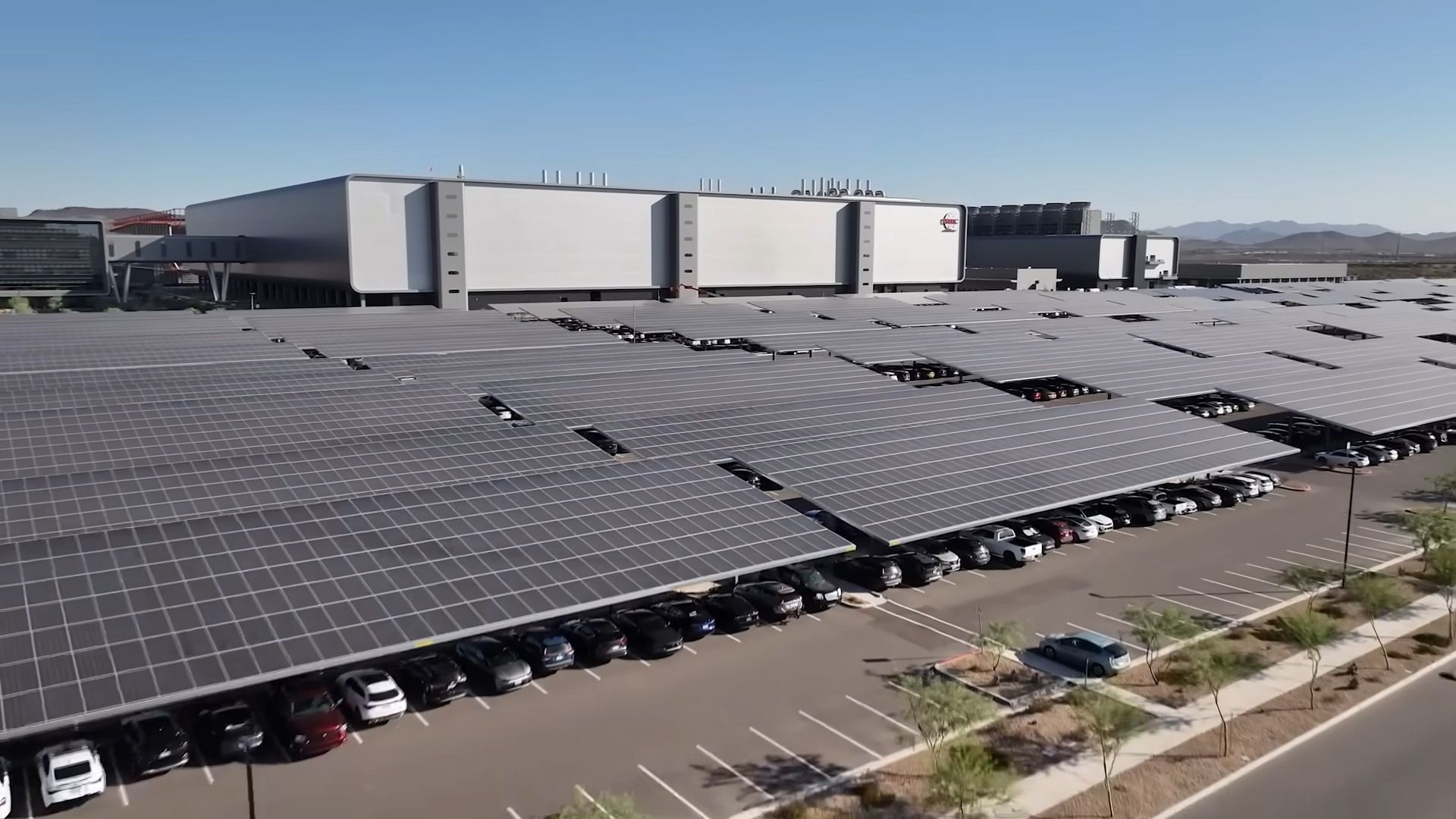
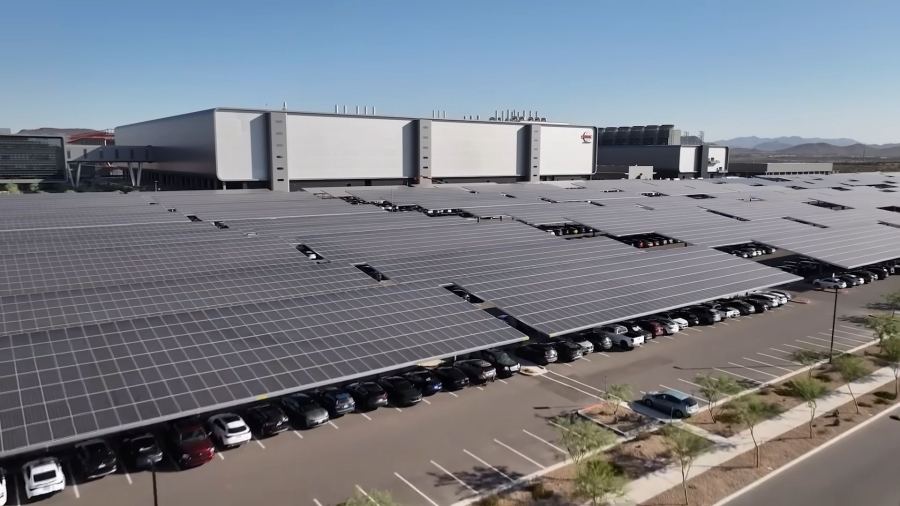
TSMC’s board approved investments of up to $500 million each in Anthropic common shares at the IPO price and in OpenAI preferred stock. The world’s leading contract manufacturer is simultaneously the dominant source of leading-edge logic for both labs and a minority shareholder in both. Anthropic’s own risk factors have previously highlighted concentration risk around TSMC’s ability to meet demand for advanced nodes. The equity stake does not eliminate that risk, but it aligns the foundry’s economic interest more closely with the lab’s success. The same dynamic applies to Nvidia, which supplies the accelerators, and to memory suppliers such as Micron and SK Hynix (the latter having participated in earlier rounds).
Why the Loop Matters for Capacity Economics
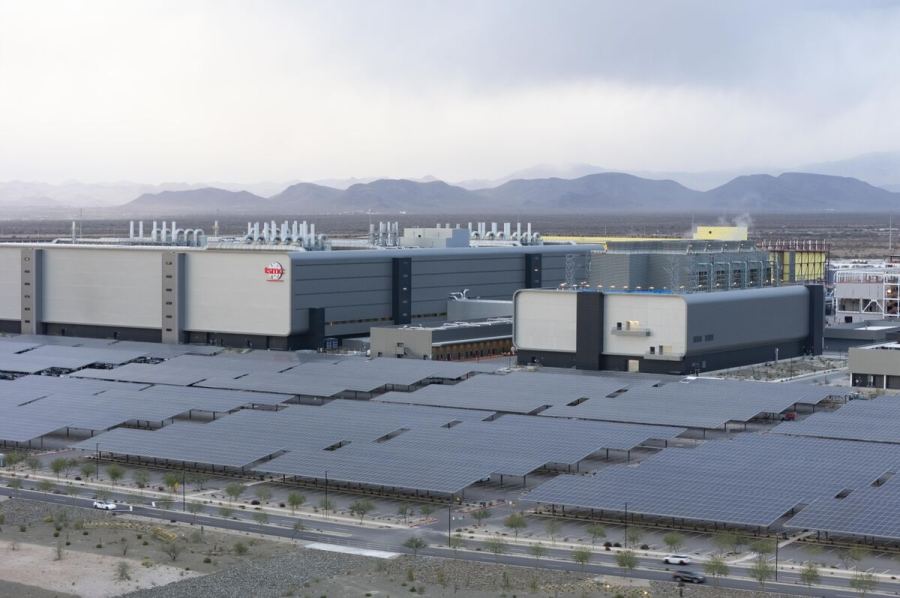
The circularity is not abstract. Frontier training runs and sustained inference for agentic systems consume extraordinary volumes of leading-edge silicon and high-bandwidth memory. TechMash has previously examined the wafer economics that now dominate lab planning in Wafer Economics in the Age of Agents. TSMC’s sixth consecutive record quarter quantified how advanced nodes (7 nm and below) already account for the large majority of its wafer revenue, with 3 nm and early 2 nm volumes driving both revenue and margin. When the primary customer of that capacity also becomes an equity holder in the labs that generate the demand, the incentive to prioritize allocation, packaging capacity, and process ramps strengthens.
The same logic appears in power. Anthropic recently committed roughly $3.4 billion to take over queue positions for 1.7 GW of gas-fired generators, a move analyzed in Owning the Queue. Power and silicon are the two binding constraints. Equity participation by the companies that control the scarce resources reduces the risk that those resources are redirected to higher-paying or more strategically aligned customers at the margin. It also creates a feedback loop: stronger lab valuations and revenue support higher capital expenditures at the suppliers, which in turn support still larger training runs.
Alternative silicon strategies remain relevant. Tenstorrent’s Galaxy platforms and RISC-V licensing push, covered in Open Silicon’s $6.2 Billion Moment, represent one attempt to diversify inference away from proprietary interconnects. DeepSeek’s open release of the DeepInfer production stack, detailed in DeepSeek Opens the Production Engine, shows how software-level efficiency can stretch existing silicon further. Yet the largest absolute dollars for frontier training continue to flow through the TSMC-Nvidia-Google ecosystem. The IPO structure reinforces rather than dilutes that concentration.
Governance, Valuation, and the Public Market Test
Anthropic is structured as a Delaware public benefit corporation. The Long-Term Benefit Trust is designed to elect a board majority, and co-founders retain substantial voting control through special share classes. Ordinary Class A buyers will hold limited influence over strategic decisions. This governance setup was visible in the original S-1 filing and remains intact through the pricing range. Public investors are therefore underwriting both the economic upside of Claude’s enterprise adoption and a structure that prioritizes the company’s stated safety mission over conventional shareholder primacy.
The valuation itself embeds aggressive assumptions. A $1.4 trillion fully diluted figure at the top of the range exceeds the roughly $965 billion private valuation from earlier in 2026, yet sits below some of the higher private-market chatter that preceded the roadshow. Revenue growth has been extraordinary—multiple times year-over-year in successive periods—but operating losses remain material once non-cash mark-to-market items on convertible instruments are set aside. The concurrent $26 billion placement provides a large block of demand at the IPO price, which supports pricing but also means a meaningful portion of the immediate capital raise comes from strategic rather than pure financial accounts.
Enterprise adoption metrics cited in roadshow materials include more than 11,900 customers generating at least $100,000 in trailing-twelve-month revenue. That base, combined with agentic workflows that multiply the volume of inference calls per human user, underpins the growth narrative. Earlier TechMash coverage of Meta’s Muse Ember examined how lower cost-per-task models expand the feasible volume of everyday agent work inside fixed power and capital envelopes; see Execution Over Elevation. Anthropic’s own internal productivity data has shown agent hours already outnumbering human hours by large multiples on coding and related tasks. Those dynamics justify high valuations only if the compute and power constraints can be met at scale. The supplier equity stakes are one mechanism for attempting to guarantee that outcome.
What to Watch Through Pricing and Beyond
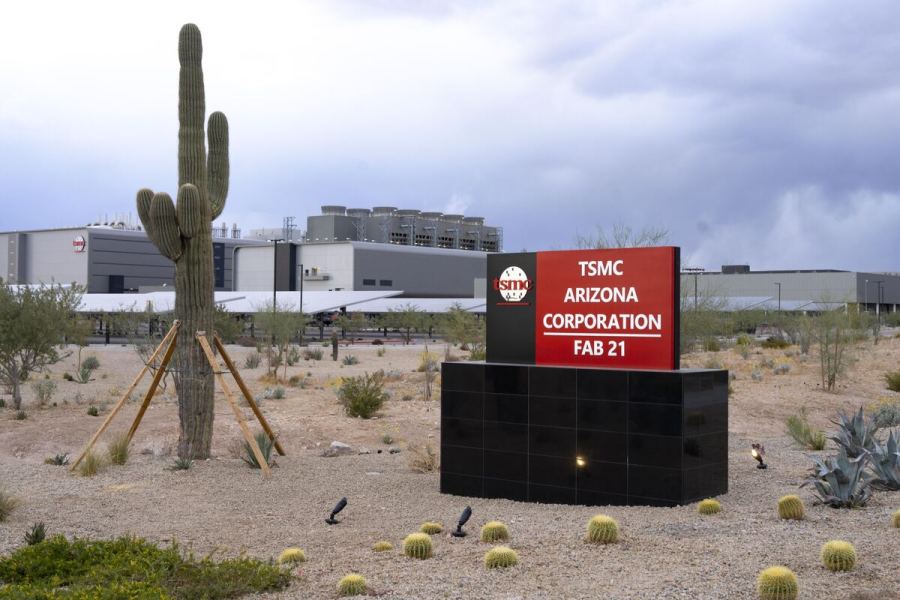
Several concrete milestones will clarify whether the circular structure holds. Final pricing on November 18 will show how much demand exists outside the cornerstone group; heavy oversubscription above $78 would indicate broader institutional appetite, while a price at the bottom of the range would signal more caution. The subsequent lock-up dynamics for the Class N shares (which are not subject to the standard underwriter lock-up in the same way) will matter for secondary supply. Longer term, TSMC’s capital expenditure plans, packaging capacity expansions in Arizona and Taiwan, and any changes in allocation priority for the labs that are now partial owners will be the real test.
Power procurement remains a parallel constraint. Additional generator or grid interconnection deals, or moves toward nuclear or other firm low-carbon sources, will indicate whether the $3.4 billion generator commitment was an isolated step or the start of a broader pattern of direct control over energy assets. Competitive responses from OpenAI, Google DeepMind, and other labs will also matter. If those labs pursue similar equity alignments with their primary suppliers, the industry structure shifts further toward vertically integrated capital stacks. If they do not, Anthropic’s approach may confer a durable advantage in securing scarce capacity.
For readers tracking the physical substrate of the AI boom, the relevant external sources remain the company’s IPO materials at ipo.anthropic.com and the Reuters reporting on the pricing range and private placement. The internal TechMash analyses linked above supply the longer context on wafer economics, power control, alternative silicon, inference efficiency, and agent economics. Together they frame the central question this IPO poses: whether the capital markets are primarily pricing the software and research edge of frontier models, or the increasingly concentrated control of the silicon and energy required to run them at scale.
Conclusion: Alignment Through Ownership
Anthropic’s IPO is more than a liquidity event for early investors. It is a structural reorganization of the relationship between the labs that train the largest models and the companies that manufacture the physical substrate those models require. By inviting TSMC, Nvidia, Google, and the other core suppliers onto the cap table at the offering price, Anthropic converts a set of contractual dependencies into equity alignments. That conversion reduces certain allocation risks in the short run and embeds the suppliers more deeply in the labs’ success over the longer term. It also concentrates influence over the most constrained resources in the AI stack.
Whether this proves durable will depend on execution: continued revenue growth that justifies the valuation, sustained access to leading-edge wafers and packaging, and the ability to secure firm power at the gigawatt scale the commitments imply. Public markets will now price that package daily. The supplier-shareholder loop is already written into the capital structure. The next several quarters will show whether it functions as a stabilizing mechanism or as an amplifier of the same concentration risks the industry has been navigating for the past two years.
Comments
0