
The Ternus Test: How iPhone Duo and Siri AI Memory Define Apple’s New Chapter
Apple under John Ternus is no longer a future tense. The former hardware chief took the CEO seat on September 1, 2026, and within days stood on the Steve Jobs Theater stage to introduce the company’s first foldable phone. Weeks later the iPhone Duo reached stores, delivery dates slipped into 2027, and the first software update of the Ternus era arrived with conversation memory for Siri AI. On Monday, November 2, Ternus will face Wall Street for the first time with a fiscal fourth-quarter revenue estimate near $113 billion. The combination of hardware novelty, software refinement, and an imminent earnings call makes this the clearest early test of how the new chief wants Apple to sound and behave.
What Actually Shipped
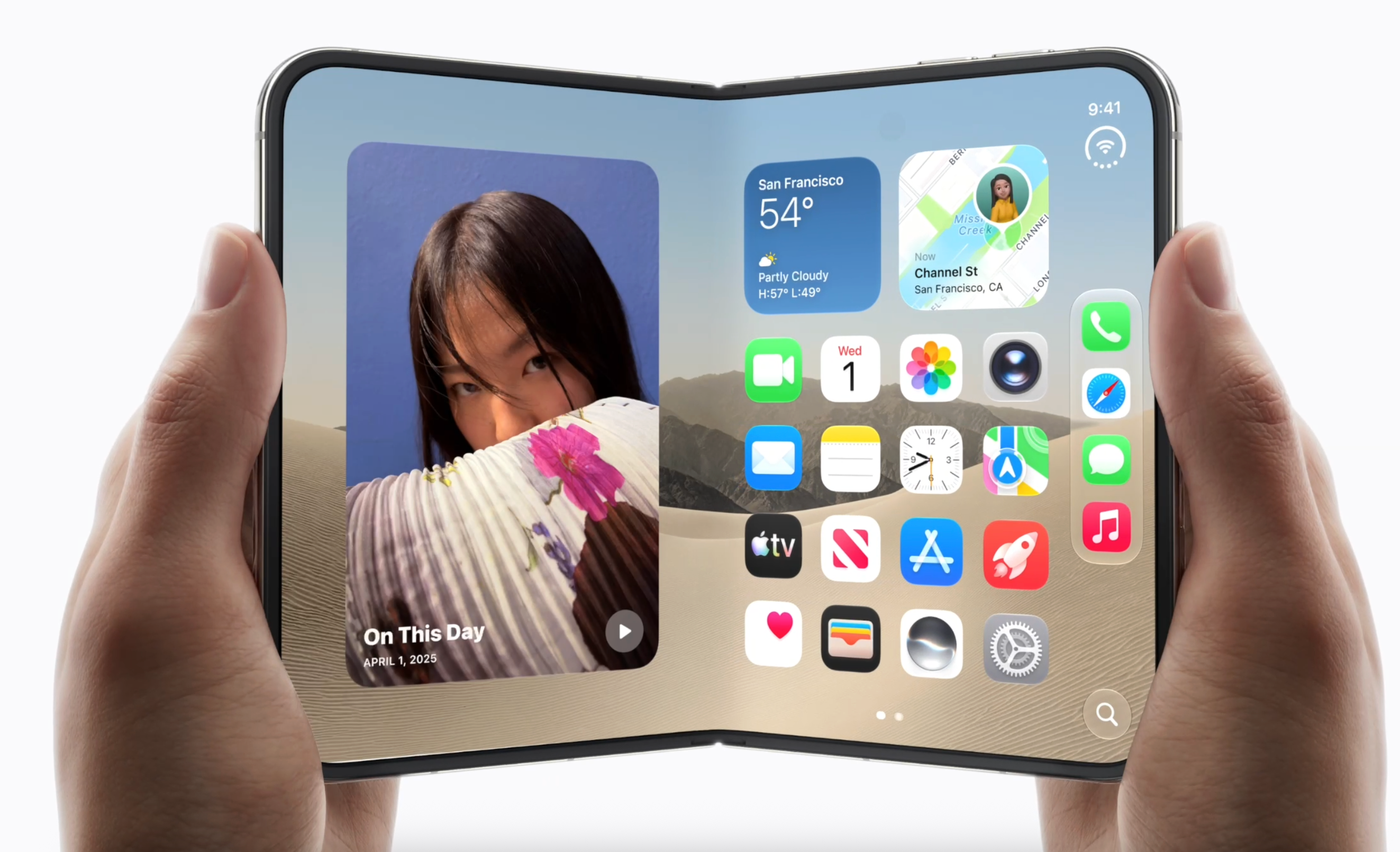
The iPhone Duo is a book-style foldable with a 7.6-inch inner Super Retina XDR display and a 5.4-inch outer display that covers roughly 90 percent of the screen area of the iPhone 18 Pro. Both panels share the same aspect ratio so content scales without letterboxing when the device opens or closes. The inner display uses a nano-texture finish and sits above a precision hinge built from more than 100 components. Touch ID lives in the side button; Face ID is absent on this model. The A20 Pro chip, built on a 2 nm process, drives the dual displays along with Apple’s new C2 modem. Storage starts at 256 GB and climbs to 2 TB. Pricing opens at $1,999.
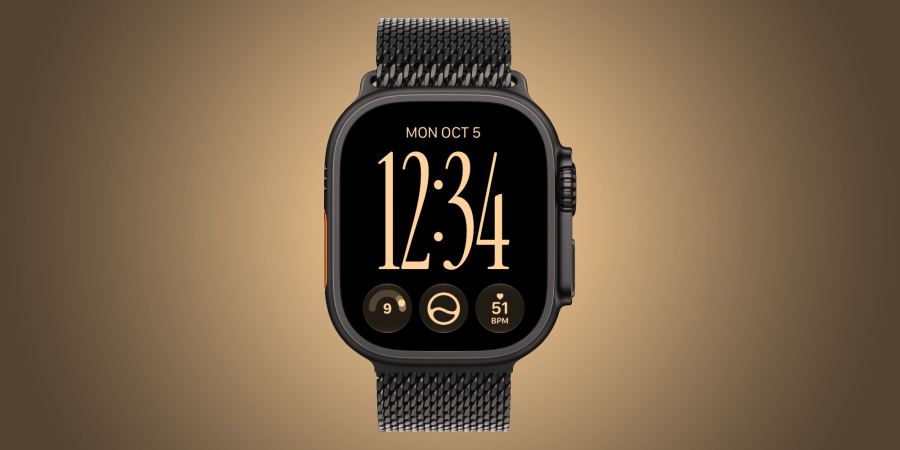
Alongside the Duo, Apple launched the iPhone 18 Pro and Pro Max with a $100 price increase over the prior generation, new color options, and camera improvements including a variable-aperture system on the Pro models. The Apple Watch Ultra 4 and Series 12 arrived with longer battery life, a Health Sensing System, and readiness metrics. AirPods updates brought noise cancellation to the lower-priced line. iOS 27, tailored for the Duo, introduced Split View multitasking on the inner display and posable modes that change the interface depending on whether the phone is tented, half-folded, or fully open.
Demand, Supply, and Early Friction
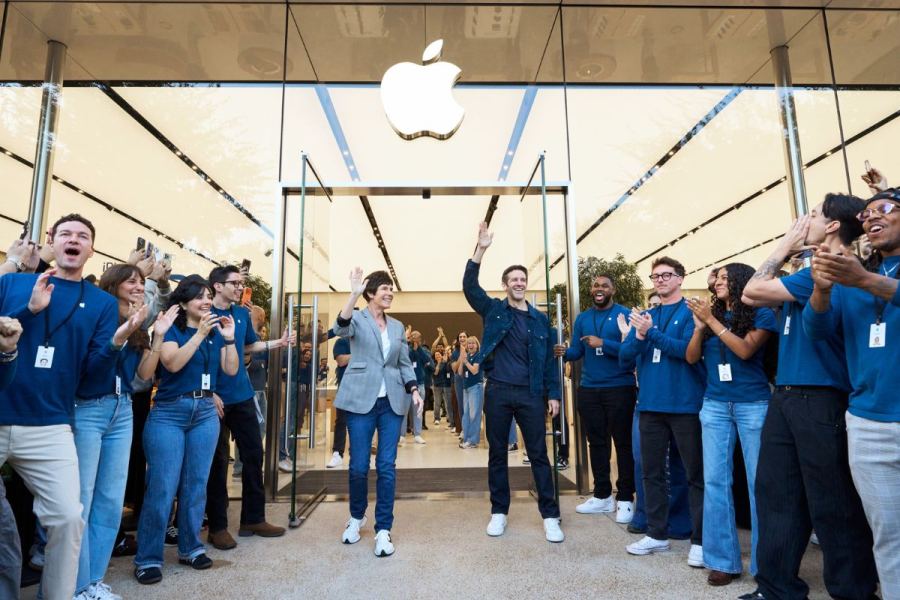
Pre-orders opened October 16. Within minutes many configurations showed delivery estimates stretching into January 2027. Apple capped pre-orders at two units per customer and, in several markets, limited walk-in sales. On October 23 the phone reached stores in more than 70 countries. John Ternus and retail chief Deirdre O’Brien personally opened the Domain Northside store in Austin, Texas, greeting customers at 9 a.m. local time. Similar scenes played out at Fifth Avenue in New York, Jing’an in Shanghai, and flagship locations in London, Mumbai, and elsewhere. The company described the response as “nothing short of extraordinary.”
Supply has not kept pace. Online delivery windows remain long, and some stores report limited walk-in inventory. At the same time, isolated reports of cracked inner displays began circulating within days of launch. iFixit and other teardown accounts noted L-shaped cracks that appear to originate near the hinge area on certain units. Apple has acknowledged an issue and is replacing affected devices quickly for early buyers, but the scale of the problem is still unclear. Repair pricing has also drawn attention: out-of-warranty display work on the Duo can approach $1,500, making AppleCare+ almost mandatory for many owners.
Software That Makes the Hardware Useful
The Duo ships with a special build of iOS 27 that rearranges controls to the side of the display to preserve vertical space. When open in landscape, two apps can sit side by side. The device can also be posed in multiple orientations—StandBy, tented, or half-folded like a book—and iOS adapts widgets and media playback accordingly. Apple Pencil (USB-C) support arrived with iOS 27.2, fulfilling a promise made at the September event that the feature would come “later this year.”
iOS 27.2, macOS 27.2 Golden Gate, and watchOS 27.2 landed around October 26. The headline change is conversation memory for Siri AI. The assistant can now recall previous exchanges, so a user can ask follow-up questions about a restaurant recommendation or a calendar conflict without restating the original context. Additional personal data sources—photos attached in Messages, Calendar attendees, voicemails—are now available to the model. Language support expanded beyond English to French, Japanese, Korean, Portuguese, and Spanish. On Apple Watch, responses are faster and the same memory features are available when the watch is paired with an eligible iPhone. The update also brought a refreshed Apple Music icon and small design tweaks across platforms.
The Earnings Spotlight
Analysts expect Apple to report roughly $113.46 billion in revenue for the fiscal fourth quarter, with iPhone contributing about $56.58 billion (up roughly 15 percent year over year) and Services near $31.58 billion. Because the Duo only reached customers in the final week of the quarter, its contribution will be minimal. The true demand picture for both the Duo and the full iPhone 18 Pro cycle will not appear until the December quarter report. Investors will therefore listen for qualitative color: how Ternus describes the foldable ramp, whether supply constraints are easing, and how the company is thinking about the $100 price increase on the Pro models amid elevated memory costs.
Ternus has already signaled a product-centric style. He has staged events outside Cupertino, including a MacBook Pro briefing in Los Angeles, and he has spoken openly about the long development cycle of the Duo—years of work to eliminate the creases and durability problems he said made earlier foldables feel “cheap and crappy.” His first earnings call is less about defending a finished product line than about establishing a communication cadence. Tim Cook’s final call was characterized by familiar guidance ranges and measured language; Ternus is expected to be more direct about engineering timelines and less expansive on non-product topics.

Why the Combination Matters
The Duo is Apple’s most visible hardware bet since the original iPhone. It enters a category Samsung and others have occupied for years, yet Apple waited until it could ship a device that stays flat, resists scratches better than earlier foldables, and runs a version of iOS that treats the larger screen as a first-class citizen rather than a stretched phone. Early software support from Netflix, Zoom, Slack, and others suggests developers are treating the form factor seriously. The addition of Pencil support and Siri AI memory in the first point release shows Apple is iterating quickly once the hardware is in the field.
At the same time, the launch has exposed classic constraints: yield on a new hinge and display stack, regional regulatory differences that affect Apple Intelligence availability, and the persistent tension between premium pricing and mass-market volume. The $1,999 starting price is in line with competing book-style foldables, yet it is $700 above the iPhone 18 Pro Max. Whether enough customers will pay that premium for the extra screen real estate and posable modes will become clearer once supply normalizes.
Siri AI’s new memory feature is the software counterpart to the hardware story. For years Apple has been criticized for lagging in conversational AI. The 27.2 update does not suddenly match the largest cloud models, but it does make the on-device assistant more continuous and personal—exactly the kind of incremental, privacy-preserving improvement the company has historically favored. Combined with the larger canvas of the Duo, the result is a device that can hold two apps side by side while an assistant that remembers context sits ready to act on either of them.
What to Watch Next
Three near-term signals will clarify whether the Ternus chapter is off to a durable start. First, the November 2 earnings call itself: listen for specific language around Duo production rates, any comment on the screen durability reports, and guidance for the December quarter. Second, the trajectory of delivery estimates. If online waits begin to shorten in November, the supply side is improving; if they lengthen further, the hinge and display yields remain the bottleneck. Third, the adoption of iOS 27.2 features. Siri AI memory and Pencil support on the Duo are the first post-launch software differentiators; early reviews and developer uptake will show whether the larger screen is being used for more than media consumption.
Longer term, Apple has already hinted at a second-generation foldable and a touchscreen MacBook Pro refresh. The success of the Duo will influence how aggressively those programs are resourced. Ternus has described his focus as product excellence above all else. The next few quarters will test whether that focus can translate into both engineering reliability and investor confidence after the long Cook era.
The iPhone Duo is not a finished story. It is the first hardware product line that Ternus both inherited in development and personally launched. The software updates that followed—especially Siri AI memory—show the company continuing to refine the experience after the hardware left the factory. Together they form the opening chapter of a new leadership period. Monday’s earnings call will be the first time the broader market hears how Ternus intends to narrate that chapter.
Comments
0