
Why Apple’s Reference Image Feature on iPhone 18 Pro Changes the Photography Trust Equation
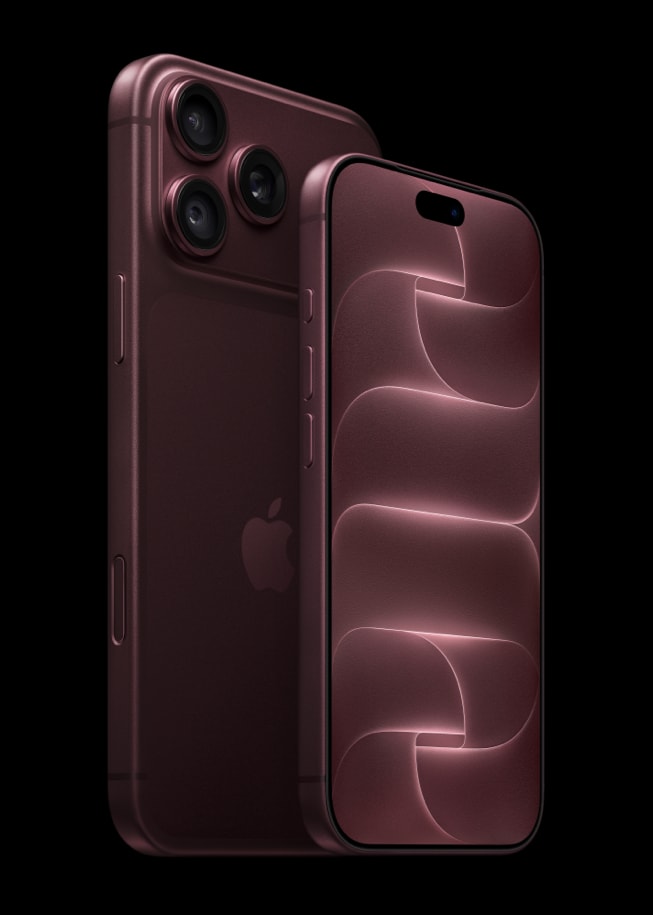
When Apple introduced the iPhone 18 Pro last week, most of the attention went to the variable aperture camera and the A20 Pro chip. Quietly sitting alongside those upgrades is a feature that may matter more in the long run: Apple Reference Image.
In an era where generative AI can fabricate photorealistic scenes in seconds, the ability to prove a photo was actually captured by a camera sensor has become valuable. Apple’s approach embeds cryptographic signing at the sensor level. When a user shoots in Reference mode, the Main camera captures signed sensor data that Private Cloud Compute turns into an unalterable reference image. That reference can later be checked to confirm the photo has not been altered by AI tools or traditional editors.
This is not a watermark slapped on after the fact. It is a hardware-backed chain of trust that begins at the moment light hits the sensor. Apple has also committed to supporting the industry SynthID standard for AI-generated or heavily edited images, creating a clearer distinction between authentic captures and synthetic content.
What Happened
The feature launched with the iPhone 18 Pro and Pro Max. It is tied to the new 48MP Fusion Main camera and requires iOS 27. Early documentation from Apple’s security research team outlines how the signed data remains private while still allowing third parties to verify authenticity. Photographers, journalists, and courts dealing with visual evidence have already taken notice.
Unlike previous authenticity tools that relied on software metadata alone, Reference Image lives closer to the silicon. That makes it harder to forge. At the same time, Apple has designed the system so that ordinary users do not need to understand cryptography; the Camera app simply offers a Reference mode toggle.
Why It Matters
Trust in visual media has eroded faster than most institutions expected. Newsrooms struggle to verify citizen footage. Insurance companies face AI-generated claim photos. Social platforms battle deepfakes. A verifiable origin for phone-captured images gives platforms and institutions a practical tool instead of pure policy.
For professionals, the feature could become a differentiator. Wedding photographers, real-estate agents, and documentary shooters may start advertising “Reference Image certified” work. For everyday users, it offers quiet reassurance that the photo of a family moment or a product listing has not been silently manipulated.
There are limits. The system only protects photos taken in Reference mode on the new Pro models. Older iPhones and non-Apple devices remain outside the chain. And sophisticated adversaries will still try to defeat it. Still, raising the cost of forgery is progress.
What to Watch Next
The real test arrives when major platforms begin integrating the verification. Will Instagram or X surface a “Verified Capture” badge? Will news agencies require Reference Image for certain submissions? Apple’s decision to support SynthID suggests it wants an industry standard rather than a proprietary lock-in.
Also worth watching is how the feature evolves with future hardware. The iPhone Duo, arriving in October, will ship with its own advanced camera system. Whether Reference Image expands to the foldable and to future standard iPhones will signal how seriously Apple intends to push visual authenticity as a platform capability.
In the meantime, the first wave of iPhone 18 Pro owners already has the tool in their pockets. The photos they take today can carry a cryptographic receipt that the sensor, not a model, produced them. That small technical detail may prove one of the more consequential announcements of the 2026 cycle.
Comments
0