
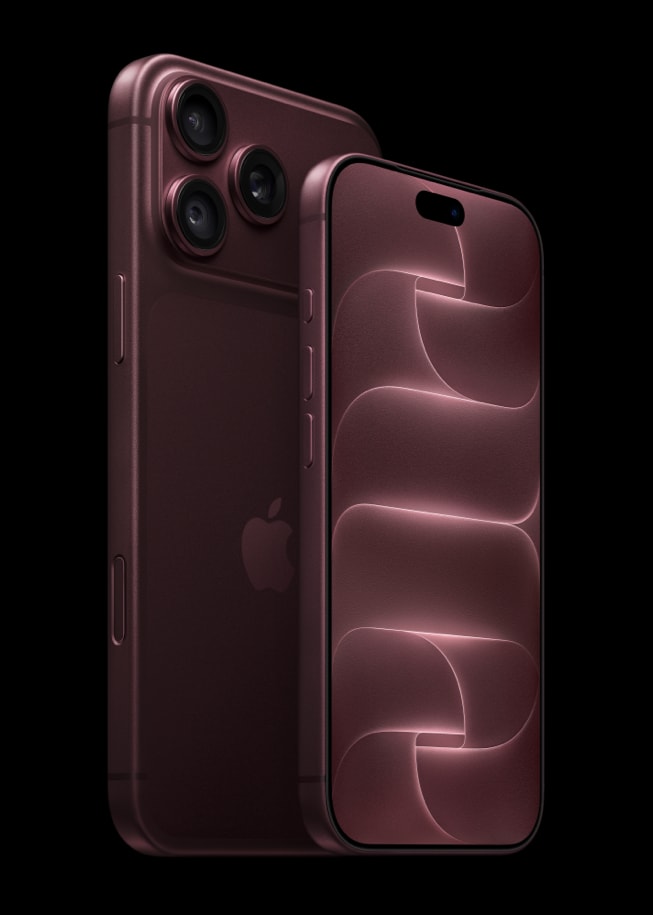
Why iPhone 18 Pro’s Variable Aperture Camera Matters More Than the Spec Sheet Suggests
Five days after the iPhone 18 Pro and Pro Max landed in stores, the conversation has already shifted from launch-day lines to the practical difference the new camera system makes. The headline feature—variable aperture on the 48MP Fusion Main camera—is the first time Apple has given users mechanical control over depth of field and light gathering on an iPhone. That change is more consequential than another incremental megapixel bump.
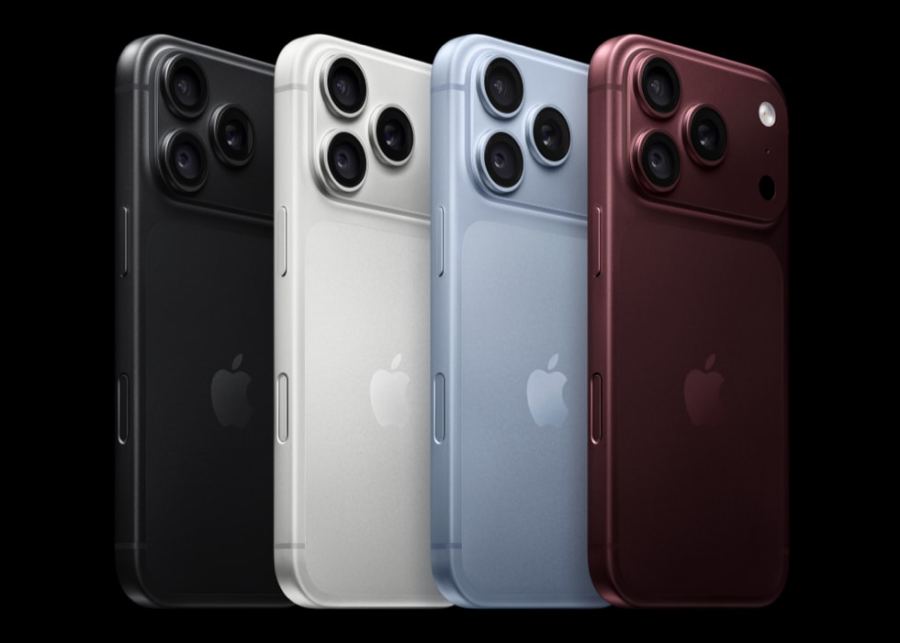
Until now, computational photography has carried the load. Portrait mode simulated shallow depth of field after the fact. Night mode stacked frames. The new six-blade aperture mechanism physically moves between ƒ/1.48, ƒ/1.8, ƒ/2.8, and ƒ/4.0. In low light the lens opens wider for cleaner shots without forcing aggressive noise reduction. For group photos or landscape details it can stop down so more of the scene stays sharp. Photographers who have long wished for genuine optical control finally have it in a pocketable device.
Early hands-on reports confirm the system works as advertised. The aperture transitions feel smooth rather than stepped, and the computational pipeline still assists when needed. Combined with the smaller Dynamic Island and the A20 Pro’s improved sustained performance under load, the Pro models feel like the first iPhones designed from the ground up for the heavier AI workloads of iOS 27 and Siri AI.

The timing is deliberate. John Ternus’s first major product event as CEO needed a tangible hardware advance to pair with the software story. While the foldable iPhone Duo grabbed the “one more thing” spotlight and will not ship until late October, the Pro phones are the volume products that will define the holiday quarter. Raising the starting price by $100 was a calculated risk; the variable aperture and battery gains appear to be the justification Apple is betting customers will accept.

What to watch next is real-world longevity of the mechanism and how third-party camera apps expose the new controls. If developers lean in, the iPhone 18 Pro could become the default tool for hybrid shooters who previously carried a dedicated camera for critical work. The foldable will expand form-factor options later this fall, but the Pro’s camera upgrade is the change most people will actually use every day starting right now.

In short, Apple did not reinvent the phone this cycle. It finally gave the camera the mechanical flexibility that computational photography alone could never fully deliver. That is the quieter but more lasting story of the September 2026 launch.
Comments
0