
Why Apple’s $5.7 Billion Haptic Verdict Matters More Than the Number
A federal jury in San Diego delivered a bombshell on Friday: Apple must pay Taction Technology more than $5.7 billion for infringing two patents covering vibration-based tactile feedback. The verdict centers on the Taptic Engine that powers the precise clicks, taps, and sensations in every recent iPhone and Apple Watch. Apple immediately vowed to appeal, insisting its technology is “fundamentally different” and that Taction’s own testing confirmed as much during trial.
What happened is straightforward on paper. Taction filed suit in 2021, claiming Apple reverse-engineered technology used in gaming headsets and incorporated it into the Taptic Engine without a license. After an earlier dismissal was reversed on appeal, the case reached a jury. Jurors found infringement on claims from U.S. Patent Nos. 10,659,885 and 10,820,117 but stopped short of calling the infringement willful. That distinction matters: willfulness would have opened the door to enhanced damages.
Apple’s response was measured but firm. “Apple’s Taptic Engine is fundamentally different from Taction’s technology,” the company said. “Apple does not use Taction’s technology, and we will appeal.” The dollar figure is the largest patent damages award of its kind to date, yet it remains subject to post-trial motions, possible reduction by the judge, and years of appeals that could stretch well into the Ternus era.
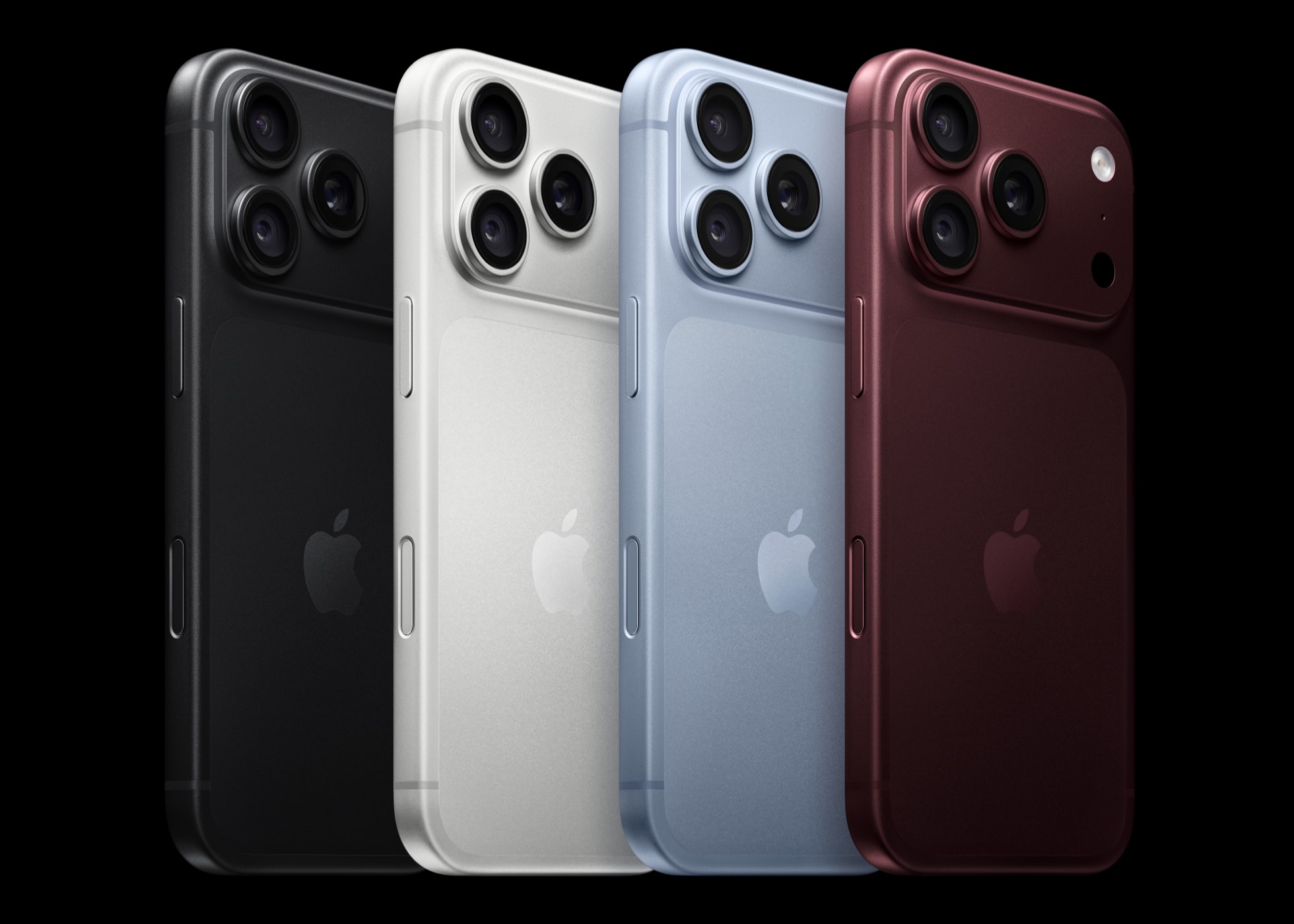
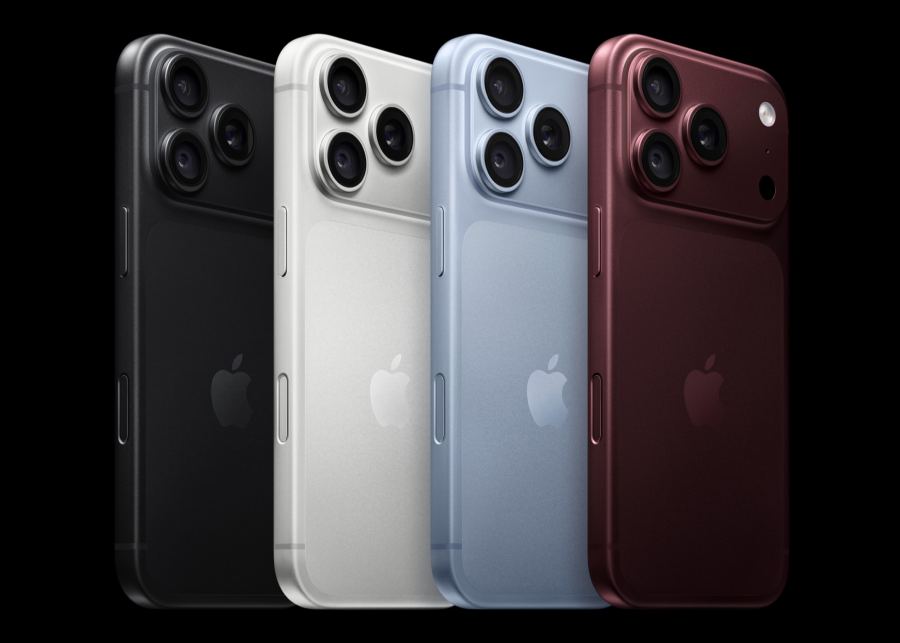
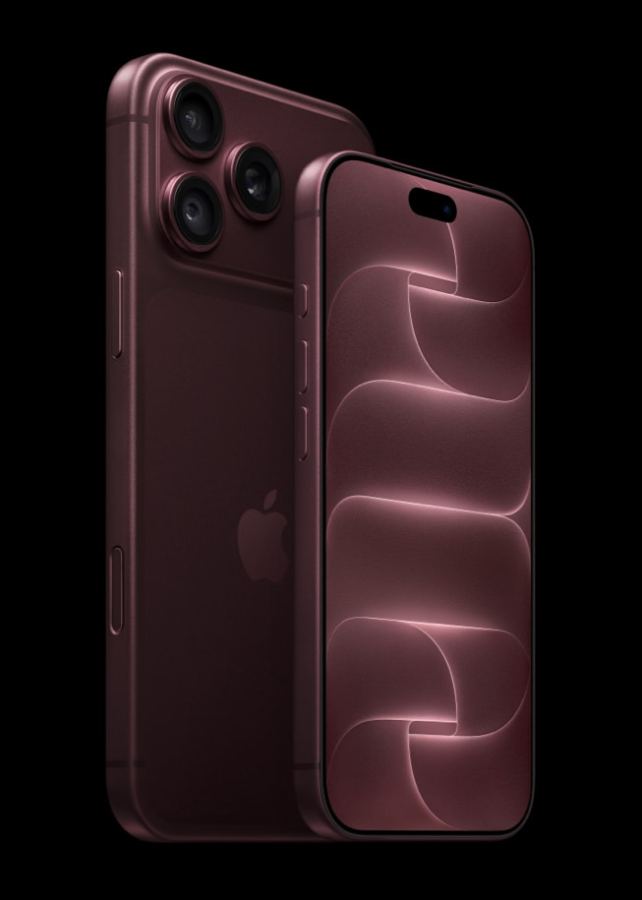
Why this verdict lands differently in September 2026 is the context. John Ternus took the CEO chair only weeks earlier. The company has just launched the iPhone 18 Pro series, the first foldable iPhone Duo, new Watches, and AirPods 5. Supply constraints and memory costs already featured in the last earnings call. A multi-billion-dollar judgment—even if eventually reduced or overturned—adds another layer of legal and financial noise at a moment when Apple is trying to project stability and innovation under new leadership.
The Taptic Engine is not a peripheral feature. It is the physical language of the entire product line: the solid click of the Camera Control, the subtle confirmation of a Digital Crown turn, the immersive feedback in games and system alerts. Any long-term restriction or forced redesign would touch every device that ships. That is why Apple fights these cases so hard, even when the technology looks incremental to outside observers.
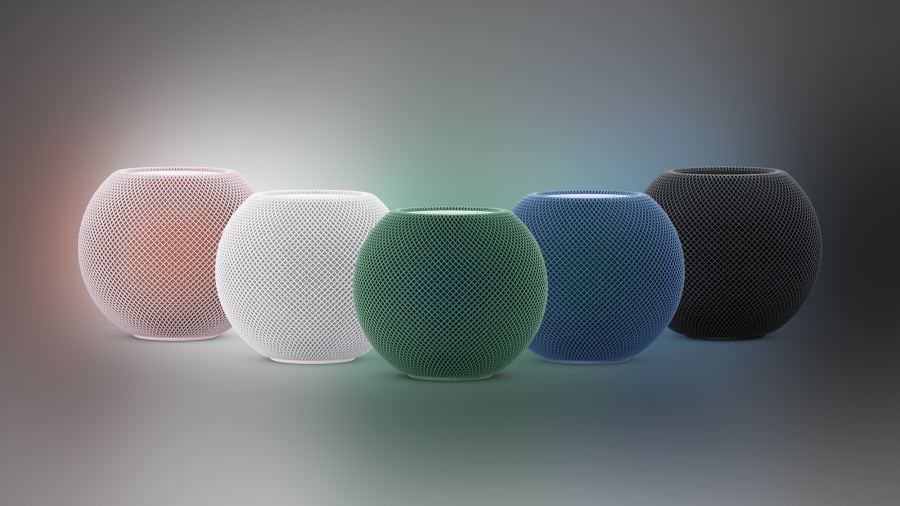
Looking ahead, three things matter more than the headline number. First, the appeal process will test how aggressively Apple defends its haptic architecture. Second, the case joins a growing list of patent and regulatory pressures that Ternus inherits—App Store rules, modem transitions, and now this. Third, the timing coincides with an unusually dense hardware calendar: the leaked HomePod mini 2 colors, A20 Pro iPad mini, and next Apple TV 4K all point to an October event. Legal distractions rarely help product teams stay focused.
For users, nothing changes tomorrow. The Taptic Engine still feels the same. For Apple, the verdict is a reminder that even the most refined hardware details can become billion-dollar battlegrounds. The company has appealed and will keep appealing. Whether the final number shrinks or the patents are ultimately invalidated remains the real story still unfolding.

In the meantime, the market will watch how Ternus’s Apple balances courtroom fights with the next wave of products. The $5.7 billion figure is dramatic. The longer-term question is whether Apple’s haptic foundation remains free to evolve on its own terms.
Comments
0