
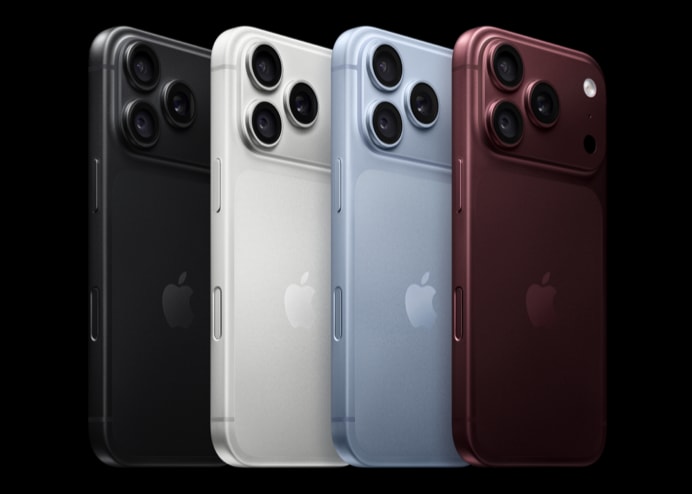
Apple split the fall lineup: a $1,199 Pro now, a $1,999 fold on October 23
Apple did not ship one phone season this fall. It shipped two calendars. iPhone 18 Pro and iPhone 18 Pro Max have been in stores since September 18, priced from $1,199 and $1,299. The foldable that rumor cycles spent a year calling Ultra, then Fold, then Duo landed under the last of those names, and it is still not in a bag. Pre-orders open Friday, October 16 at 5 a.m. Pacific. Availability begins Friday, October 23 in more than 70 countries, with 28 further markets a week later. That gap is the story. The Pro line is a finished product. Duo is an official product with a delayed cash register.
John Ternus, who became chief executive on September 1, used the September 9 keynote to call Duo the most transformational change to iPhone since the original. That is a CEO sentence, not a spec sheet. The spec sheet is narrower and more useful: a 7.6-inch inner display, a 5.4-inch outer display that Apple says covers about 90 percent of the screen area of iPhone 18 Pro, grade 5 titanium, an A20 Pro, a precision hinge, and a starting price of $1,999 for 256GB. Star white and night sky are the only colors. Storage climbs to $2,199 for 512GB, $2,599 for 1TB, and $3,199 for 2TB. Nothing in that ladder is a rumor anymore. It is the Apple Newsroom pricing block.
What actually shipped, and what is still waiting
Before the event, the name was the tell. GSMArena and MacRumors spent early September on iPhone Ultra versus a last-minute Duo leak. Apple picked Duo. The foldable is book-style, not a clamshell, and both panels share an aspect ratio so an app does not reflow into a different shape when the phone opens. Apple says the inner panel is about 50 percent larger than iPhone 18 Pro Max, with a nano-texture finish meant to hide the crease and cut glare. A FaceTime camera sits under that inner display. Touch ID is in the side button because Face ID cannot see a closed device the same way. Camera Control and a Siri Camera mode come along for the ride.
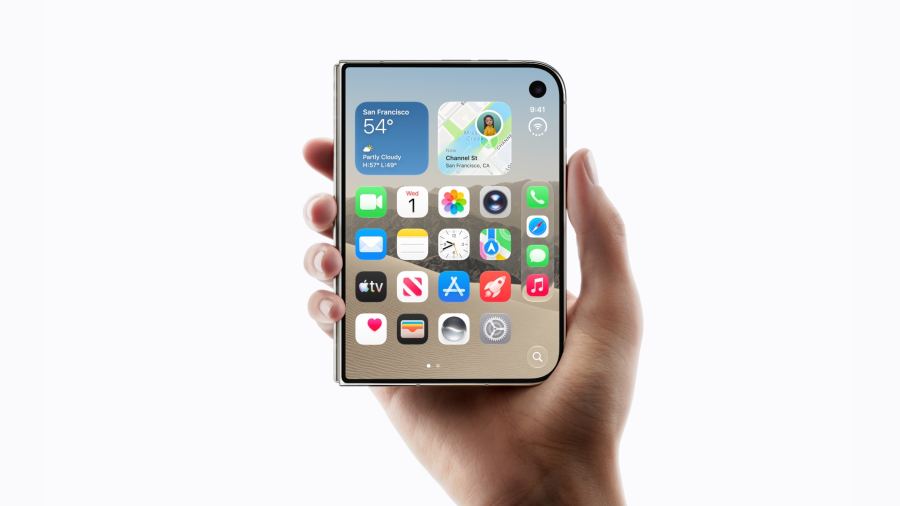
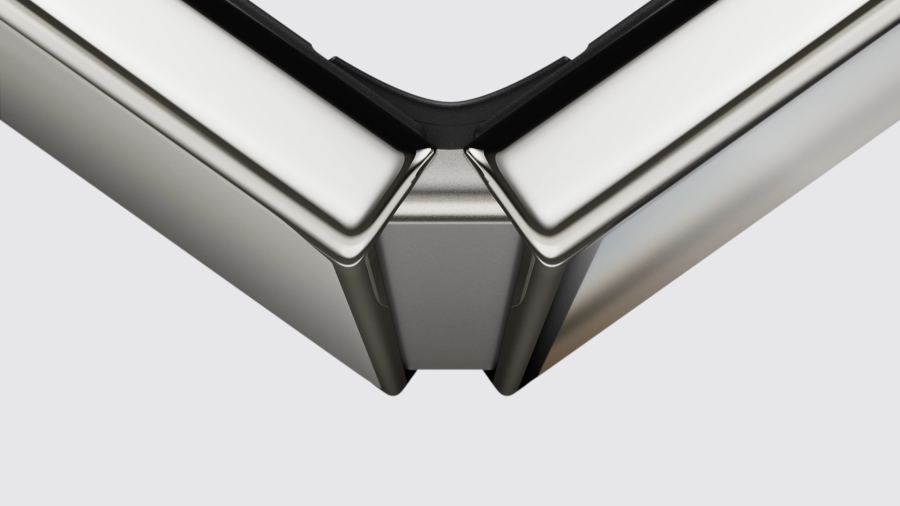
The hinge is the part Apple spent the most stage time defending. More than 100 components, a magnet array for closure, support ribs, ceramic-fiber antenna splits, Ceramic Shield on the back, and Ceramic Shield 2 on the outer display with a claimed threefold scratch-resistance gain. The inner stack is a custom polymer, high-strength glass above and below the panel, adhesives that are supposed to slide like book pages, and a titanium plate underneath. IP68 is on the official sheet. Pencil support is not: Apple Pencil with USB-C arrives later in 2026, after the phone. That is a quiet admission that the first-day software story is incomplete.
iPhone 18 Pro is the other half of the split, and it is already the phone people can buy. Pre-orders opened September 12. Colors are burgundy, glacier, silver, and black, in 256GB through 2TB. The camera pitch is a 48MP Fusion main sensor with a variable aperture, Pro controls in the Camera app, and an on-device authenticity label Apple calls Apple Reference Image. That label is not launching in the European Union or in China. The same geographic carve-out hits parts of Siri AI. English beta is out; French, Japanese, Korean, Portuguese, and Spanish were scheduled for October. EU iPhone, iPad, and Watch users do not get Siri AI at the start. Eligible Mac and Vision Pro users in the EU can, in English. China mainland Apple Accounts are out at launch. The hardware tour and the software map are not the same map.
Why the price ladder is the real product decision
A $1,199 Pro and a $1,999 foldable is an $800 gap before storage. Apple did not try to sneak Duo in as a Pro replacement. It parked Duo above Pro Max and left the base iPhone 18 off this event. Supply-chain reporting before September 9 already had the standard iPhone 18 sliding into 2027. Apple has not put that delay in a press release, so it stays a report, not a confirmation. What is confirmed is the shelf: Pro, Pro Max, and a foldable that costs more than both and arrives five weeks later.
That sequence echoes 2017 more than it echoes a normal September. iPhone 8 and 8 Plus shipped while iPhone X waited. Ming-Chi Kuo had warned that foldable volume would trail the Pro models and that pre-orders might slip into the fourth quarter. Apple's own date, October 23, is the compromise: late enough to admit the hinge and the display stack were not on the Pro's clock, early enough to still call it a fall product. Limited early supply was the consistent pre-event rumor. Apple has not published allocation numbers, so anyone treating opening-weekend stock as a demand score is guessing.
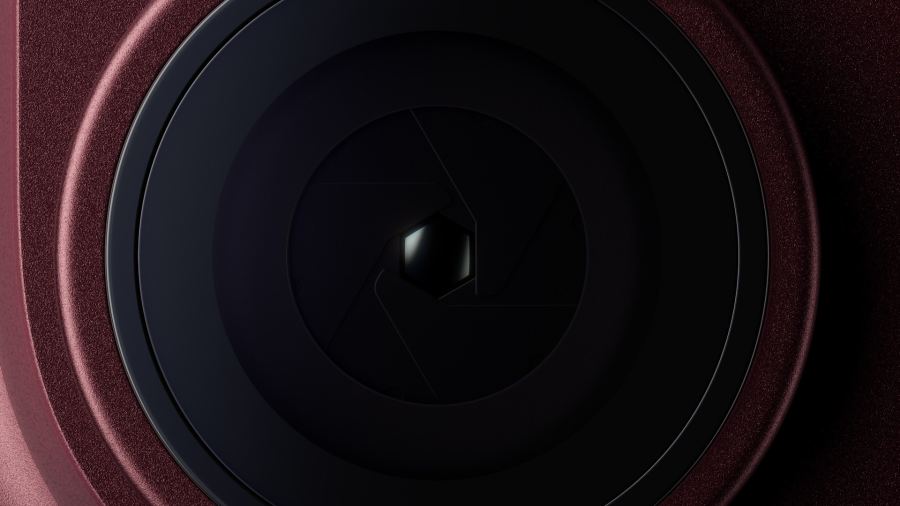
The camera trade is the other place the price does not buy a straight upgrade. Duo's rear system is a 48MP Fusion main with an optical-quality 2x crop and a 48MP Fusion ultra-wide, the same ultra-wide family as the Pro. There is no dedicated telephoto in the official Duo camera description. At $1,999, that is the omission buyers will argue about. What they get instead is a set of fold-only tricks: Smart Take, a rear-camera selfie with the preview on the outer display, Duo Preview so a subject can see the frame, Kid Cue animations on the cover screen, and Duo FaceTime so a second person can join on the outer panel. Split View on the inner display is the productivity claim, two apps side by side on an iPhone for the first time, including two windows of Safari. StandBy works on either screen even when the phone is not charging.
Battery and heat are described, not benchmarked. Duo uses a dual-battery layout and a custom vapor chamber. Pro models also moved to a next-generation vapor chamber in Apple's stage material. Neither phone has an independent teardown score yet that settles which chassis stays cooler under a long video export. Anyone ranking them on thermals before October 23 is still reading the keynote.
The rest of the event still matters
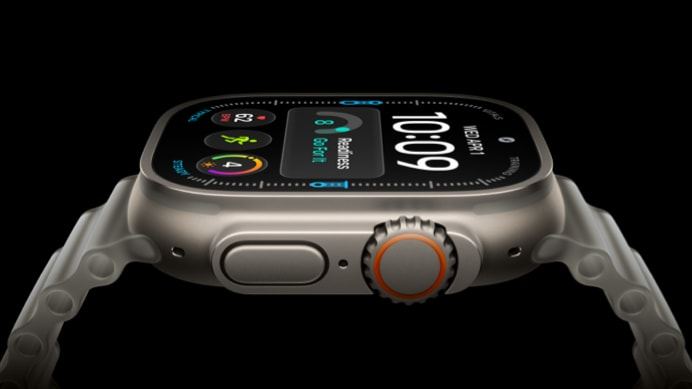
Ultra 4 and Series 12 shipped on the Pro's calendar, September 18, and they are easy to treat as opening acts. They should not be. Ultra 4 starts at $799 in natural or black titanium, with the S11 chip, a Health Sensing System Apple calls its most accurate heart-rate sensing in a wearable, higher-frequency heart rate and HRV, a readiness score, and up to 50 hours of battery. Series 12 starts at $399 in aluminum, $699 in titanium, and $899 in ceramic, which returns in pearl white and night blue after a long absence. Workout Buddy runs without a nearby iPhone. A single-handed tap opens a Smart Stack widget. Some of the conversation features, including Live Rewind and Siri Recap, are still listed for a later beta and require Series 12 or Ultra 4 plus a supported iPhone. They are also excluded from the EU at the start.
AirPods 5 is the quieter price move. Apple put active noise cancellation on the $129 earbuds, a first for that budget line. Custom EQ is in the software update for AirPods owners generally, and AirPods Pro 3 can pass heart rate to iPhone through GymKit. None of that trends like a foldable. All of it is shipping.
Software is the layer that makes the hardware split sharper. iOS 27, iPadOS 27, macOS 27, watchOS 27, and visionOS 27 are out, with Siri AI in English beta on supported devices: iPhone 16 and later, iPhone 15 Pro and Pro Max, iPhone Duo, iPhone Air, M1 iPads and Macs and later, Apple Watch Series 9 and later or Ultra 2 and later or SE 3 when paired with an Apple Intelligence iPhone. The redesigned Health app, including Health Age and menopause-related cycle notifications, is still scheduled for later in 2026. Installing the update today does not unlock the full September slide deck.
Ternus, the App Store, and the November 2 call
The foldable is Ternus's first hardware show. The first results call is already on the calendar. Apple will report fiscal fourth-quarter 2026 numbers on Monday, November 2. That call is his first as CEO. Last quarter the company reported $109.4 billion in revenue, up 16 percent, with June-quarter records in iPhone, Mac, and Services. Guidance into the September quarter was roughly 9 to 11 percent revenue growth, with iPhone called out for a possible double-digit gain, and with supply constraints still on iPhone, Mac, and iPad. Duo will not be in those September figures in any meaningful way. Pro and Watch will. The October 23 launch sits in the December quarter, which is the one investors will not hear about until late January.
Services is the other pressure line, and it predates the keynote. In early September, Bloomberg's Mark Gurman reported that Ternus and services chief Eddy Cue want more recurring revenue from the App Store after Phil Schiller stepped back from day-to-day oversight. Cue ran the store until 2015. Carson Oliver stays on daily operations. This is reported strategy, not an announced fee change. The backdrop is not theoretical. Apple told investors in July that regulatory changes were already weighing on Services growth. June-quarter services revenue was a record $30.7 billion and still short of the $31.4 billion analysts expected. Appfigures has said U.S. commission revenue fell 18 percent since the start of 2026, with declines also showing up in Brazil and Japan after local rule changes. The U.S. Supreme Court has agreed to hear Apple's challenge to the contempt ruling around external payments and has not decided it. A CEO who just put a $1,999 phone on a delayed schedule is also inheriting a services business that courts and regulators have already thinned.
What to watch between now and the first weekend
October 16 is the first hard test. If the pre-order page holds 256GB stock in both colors across the first wave of countries, the manufacturing warnings were conservative. If star white or night sky slips to November while Pro burgundy is still a same-week pickup, the split was about yield, not marketing. India, China, Japan, the U.K., and the U.S. are all in the October 23 group, so a regional delay would be obvious rather than rumored.
October 23 is the second test, and it is about the crease and the hinge in hands, not on a slide. Apple's language is "nearly" invisible in the rumor era and "minimizes crease visibility" in the official era. Reviewers will photograph the inner panel at an angle. That photo will travel farther than the $1,999 price.
October 30 extends the same phone to 28 more countries. A clean second wave suggests the constraint was certification and logistics. A thin second wave suggests the constraint was panels.
November 2 is the third test, and it will not be about Duo unit sales. Ternus will be asked about September iPhone revenue, Watch attach, Services deceleration, and whether the App Store margin push Gurman described is a plan or a newsletter item. He will also be asked why the standard iPhone 18 was not on the September stage. If he confirms a 2027 standard model, the report becomes policy. If he does not, the lineup stays a three-phone fall: two Pros now, one foldable in two weeks.
The useful way to read this season is not "Apple finally did a foldable." Samsung and others have shipped book-style phones for years. The useful reading is that Apple refused to put the foldable on the Pro's ship date, refused to price it as a Pro, refused the Ultra name, and still let the new CEO call it the biggest iPhone change since 2007. Those four choices can all be true. Pre-orders on October 16 will show which one buyers believe.
Comments
0