
The $1,199 Pro is the real 2026 iPhone, and the foldable is the exception
Apple did not ship a cheaper iPhone this fall. That is the fact that still matters more than the hinge photos. On September 9, under John Ternus in his first keynote as CEO, the company put the iPhone 18 Pro at $1,199 and the iPhone 18 Pro Max at $1,299, both $100 above last year’s Pro pair, and told buyers the standard iPhone 18 is not part of this cycle. The foldable, named iPhone Duo rather than Ultra, starts at $1,999 and does not even open for pre-order until October 16. The phones people can actually buy today are the two Pros. They have been on sale since September 18.
That sequencing is easy to miss if you only watch the foldable clips. Duo is the design break. The Pro line is the volume machine. Apple used the same event to do both jobs, then staggered the calendars so the expensive foldable does not land on the same shelf week as the phones that have to carry the quarter.
What actually shipped
The 18 Pro is a 6.3-inch phone. The Pro Max is 6.9 inches. Colors are black, silver, glacier, and burgundy. Storage starts at 256GB and runs through 512GB, 1TB, and 2TB. Pre-orders opened September 12. Stores and deliveries began September 18. Those dates are from Apple’s own release, not a leak.
The chip is A20 Pro. Apple describes it as packaged so it can sit against a redesigned vapor chamber, the point being sustained performance rather than a one-burst Geekbench number. Graphics are claimed up to 30 percent faster on a 7-core GPU. Battery claims are the ones worth underlining: Apple says eSIM-only models reach up to 36 hours of video playback on the Pro and up to 45 hours on the Pro Max. Other briefings cited 34 and 43 hours against last year’s 31 and 37. Either way, the company called the Max jump its largest single-generation battery gain. Wired charging can hit 50 percent in about 15 minutes with a 60W adapter. Wireless can hit 50 percent in about 30 minutes with a 35W adapter.
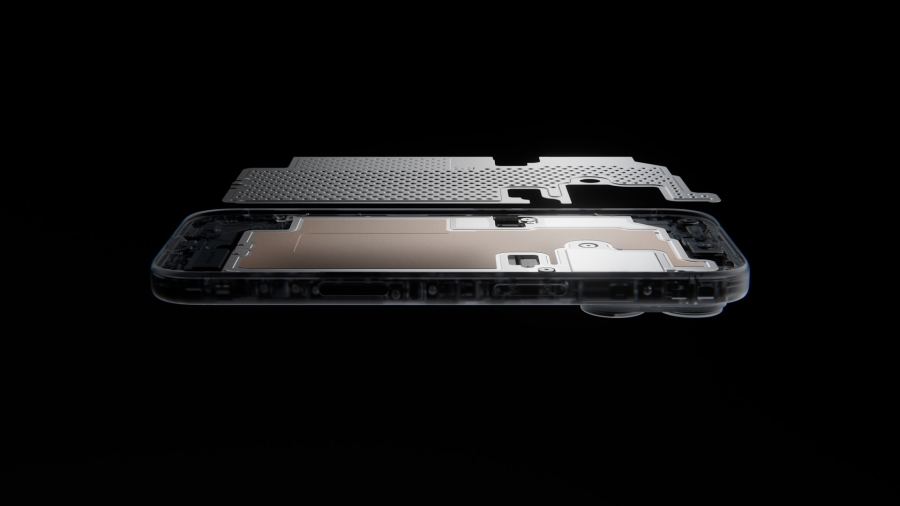
None of that is a new silhouette. Reviewers who were in the room described a phone that looks almost identical to the 17 Pro, only slightly smaller, with the same camera plateau. The industrial story is thermal and electrical, not a new glass shape. That is a deliberate choice in a year when the other phone on stage folds.
The camera is the only new control
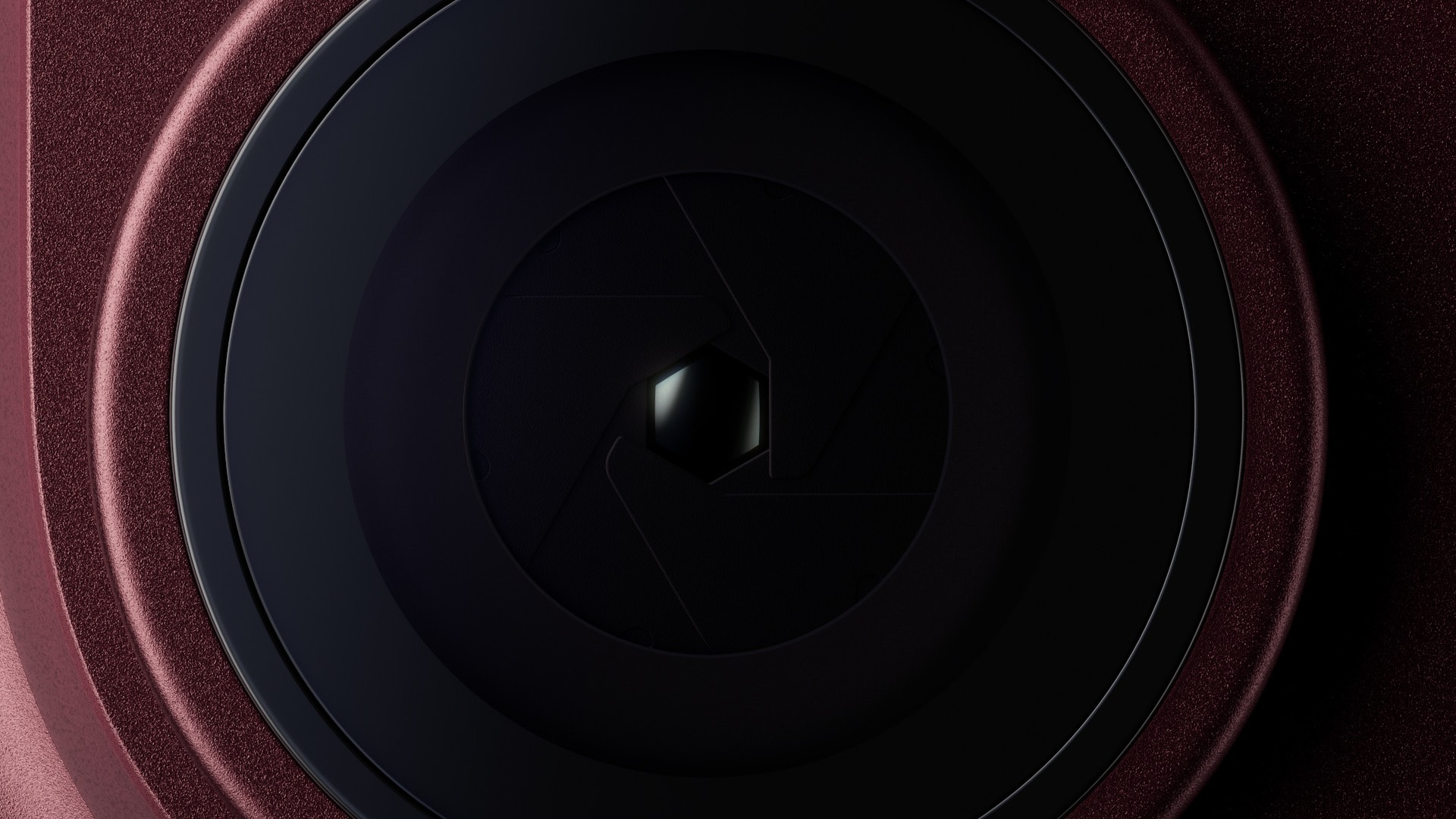
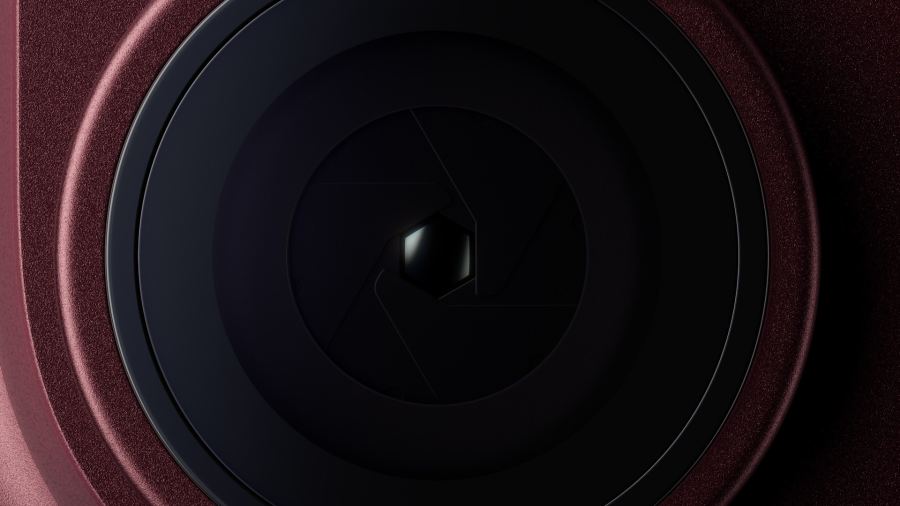
The headline hardware change on the Pro is a 48-megapixel Fusion main camera with a variable aperture, a first for iPhone. Digital Trends described six laser-cut blades, a new rotor, and a custom lens. Apple’s language is simpler: creative control that was not possible before, plus Pro controls inside the Camera app. There is also an Apple Reference Image feature meant to act like a digital negative, a way to show that a frame came from the phone rather than a generator. In a year of synthetic photos, that is a trust feature dressed up as a camera mode.
Variable aperture matters if you shoot in mixed light and you care about depth. It does not matter if you mostly tap the shutter and let computational photography decide. Apple is betting a slice of Pro buyers will notice the blades. The $100 price increase has to be paid by everyone, including people who will never open the aperture control.
Why there is no base iPhone 18
Skipping the standard model is the break in habit. For years the fall keynote was a ladder: a cheaper phone to pull in switchers, a Pro for people who already own one, sometimes a Plus or an SE on a different month. This September the ladder starts at $1,199. Apple did not publish a date for a non-Pro 18. Reports still talk about a spring window. Until Apple says so, that remains a rumor.
The commercial logic is plain. A foldable at $1,999 needs air. A $799 or $899 standard phone announced the same morning would have stolen the “which one should I buy” argument and would have trained shoppers to wait. By shipping only Pros now, Apple keeps average selling price high through September and October, then drops Duo into a market that has already absorbed the Pro price. Trade-in language around the event cited values up to $1,200 on recent models, which is how a $1,199 sticker becomes a smaller number at checkout. The sticker is still the sticker.
There is a product logic too. The interesting industrial work this year is the hinge, the dual battery, the outer 5.4-inch screen and the inner 7.6-inch screen, titanium, Touch ID in the side button instead of Face ID. That work does not fit a base phone. Putting it only on Duo, and putting the variable aperture and the vapor chamber only on Pro, splits the story cleanly. You pay for camera and endurance, or you pay for a new shape. You do not get a discount phone that is merely last year’s Pro with a new color.
Duo is official, and it is not here yet
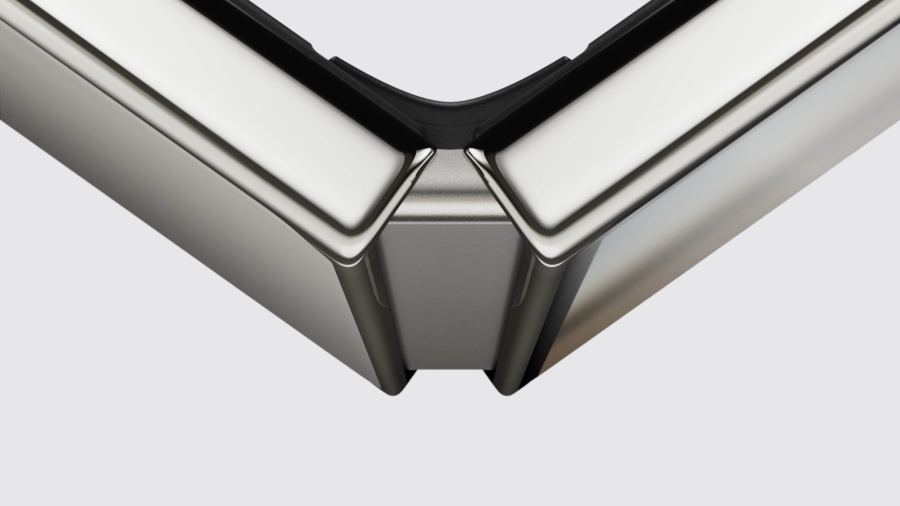
The foldable is not a rumor anymore. Apple unveiled it on September 9. Opened, it is the thinnest iPhone the company has made, with a 7.6-inch inner display. Closed, the 5.4-inch outer display is described as about 90 percent of the screen area of the 18 Pro. Both panels share an aspect ratio so content scales instead of letterboxing. Colors are star white and night sky. The frame is polished grade 5 titanium. Cameras are a 48-megapixel Fusion main and ultra-wide pair, with a 2x crop rather than a dedicated telephoto. Batteries sit on both sides. Apple says the cover layer of the folding display is replaceable, which is the repair sentence buyers should remember.
Price is $1,999 for 256GB. Pre-orders start October 16. Availability starts October 23. That is the official calendar. Separate from that, analysts have cut shipment guesses. Jeff Pu has been cited at about six million units this year, down from seven, with the hinge line named as the constraint. Treat the unit figure as an estimate. Treat the dates as Apple’s.
The name is the one place leaks missed. Months of reporting said Ultra. The stage said Duo. That is a branding tell. Ultra, on Watch, means the extreme tool. Duo means two screens. Apple did not want the foldable to sound like a niche athlete product. It wanted it to sound like a format.
The rest of the September table
The same morning produced Apple Watch Series 12 from $399, Ultra 4 from $799, and AirPods 5 from $129, all on sale since September 18. Series 12’s Health Sensing System samples heart rate more often, including the five-second cadence Apple showed on stage, and turns that into a readiness score. Ultra 4 is rated up to 50 hours. AirPods 5 bring active noise cancellation down the price ladder. iOS 27, with Siri AI in beta for English, began rolling out September 14. French, Japanese, Korean, Portuguese, and Spanish were slated for October.
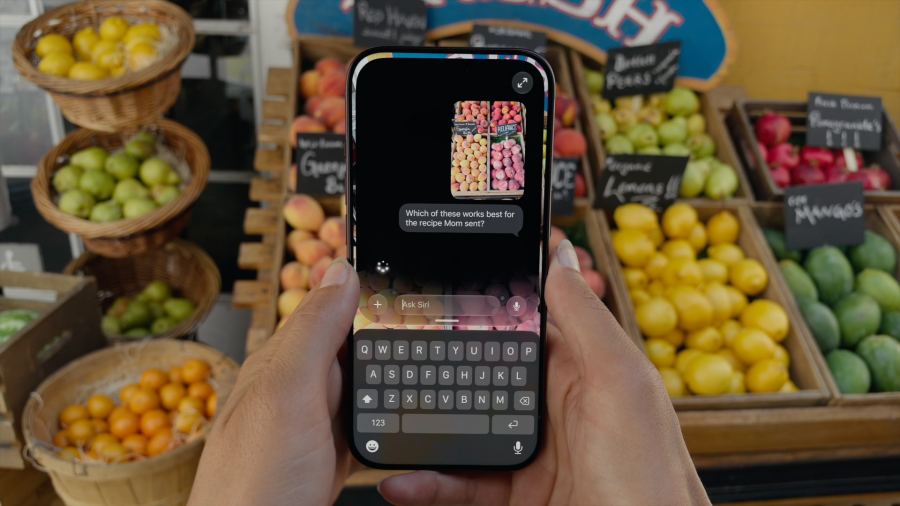
Siri AI is the software half of the Pro pitch. Apple’s claim is personal context, on-screen awareness, and broader app actions, still labeled a beta. A phone with a bigger battery and a vapor chamber is also a phone that can keep an on-device model warm. That is the unglamorous link between the thermal slide and the assistant demo.
What the last two days added
The hardware calendar has not moved. What moved is the management and rumor layer around it. On October 4, Bloomberg’s Power On reported that Ternus is spending a large share of his time on hardware and software design, effectively acting as design chief as well as CEO. The same note said the next high-end MacBook Pro, the one expected to add a touch screen and OLED, is also getting lighter through smaller internals. That Mac is not announced. An OLED iPad mini is likewise still a report, with late October or November as the window people are repeating. A home hub, a new HomePod mini, and an Apple TV refresh are in the same rumor pile. None of those have a keynote date.
Worth separating: Ternus taking the design brief is a reported shift in how the company is run, sourced to a newsletter, not a press release. The lighter MacBook Pro is a supply-chain and design report. Duo’s October 16 pre-order is a date Apple already printed. Mixing those three in one headline is how rumor and product news get welded together.
What to watch next
October 16 is the next hard date. If Duo pre-orders slip, or if Apple posts a ship window measured in weeks rather than days, the hinge story becomes the story. If they open cleanly, the six-million estimate was a ceiling, not a warning. Either way, the Pro line will already have had a month of sales at the new price. That is the number that will show up first in any commentary around the holiday quarter: did buyers accept $1,199 as the new floor?
Second, watch whether a non-Pro iPhone appears in the spring chatter with a real part number, or whether Apple stretches the 17 and the 16 as the cheaper shelf through the holidays. A company that just raised the Pro and introduced a $1,999 foldable has a reason to keep the bottom of the range old for a while.
Third, watch the Mac and iPad reports stay labeled as reports until an invitation exists. Ternus has talked, in coverage of his early tenure, about spreading hardware releases through the year instead of stacking them on two events. An October Mac or mini would fit that idea. It is not a confirmation.
The clean read of fall 2026 is this. Apple made the Pro the default iPhone, charged more for a variable aperture, a vapor chamber, and a larger battery, and held the foldable for a later Friday so it could be the exception rather than the mix-up. The phones on sale now are not rumors. The cheaper iPhone, the lighter OLED MacBook Pro, and the unit count on Duo still are.
Comments
0