
Variable aperture is the real iPhone 18 Pro story two weeks after launch
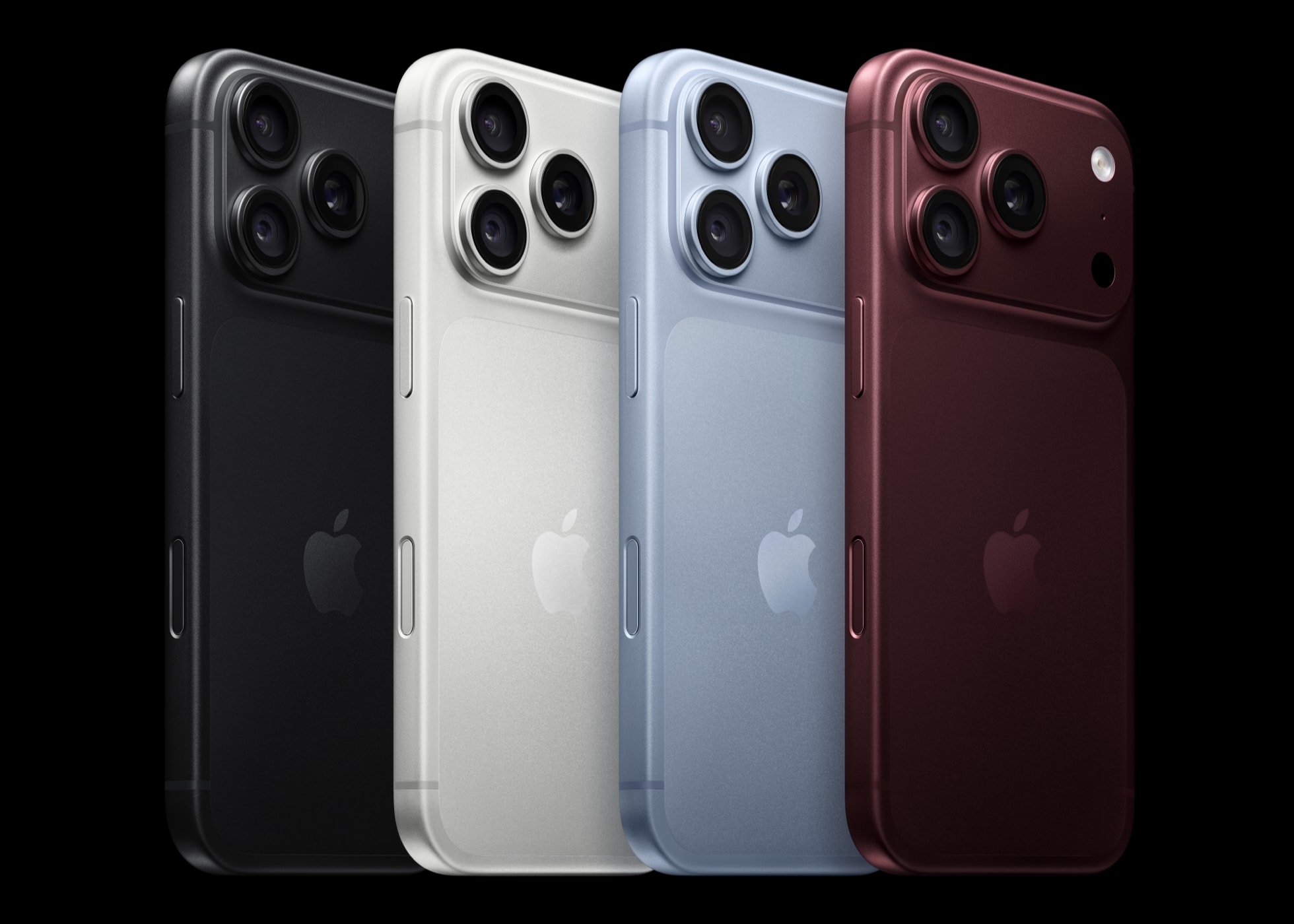
The September 9 Surprise and Shine event is already fading into the usual post-launch fog: pre-order brag posts, case unboxings, and a Face ID reboot bug Apple says a software update will catch. Two weeks after iPhone 18 Pro and Pro Max hit stores on September 18, the part that actually changes how the phone is used is not the burgundy finish. It is the six-blade variable aperture on the 48MP Fusion Main camera, now available to third-party video apps as of Apple’s September 29 Final Cut Camera update.
What actually shipped
Apple officially announced iPhone 18 Pro and iPhone 18 Pro Max on September 9. The regular iPhone 18 and a second-generation Air stay on the spring 2027 side of the calendar, so the Pro models are the new default phones in stores this fall, sitting beside the foldable iPhone Duo rather than a cheaper 18. Pricing starts at $1,199 for Pro and $1,299 for Pro Max, with 256GB as the floor and 2TB on both sizes for the first time.
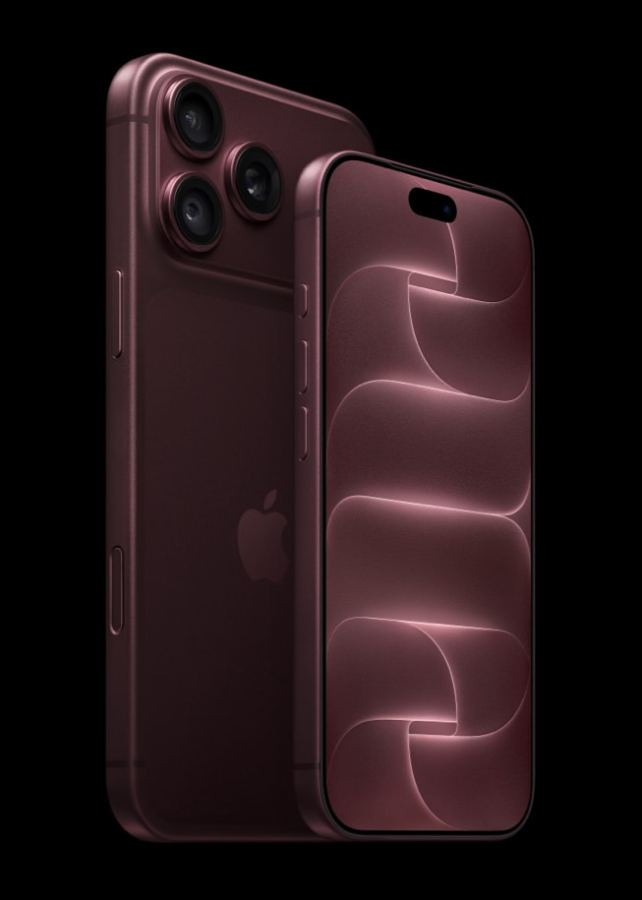
Colors are Black, Silver, Glacier, and Burgundy. The Dynamic Island is smaller because the infrared Face ID camera moved under the display. The rear plateau is still the plateau. None of that is rumor anymore.
Why the aperture change is bigger than another megapixel bump
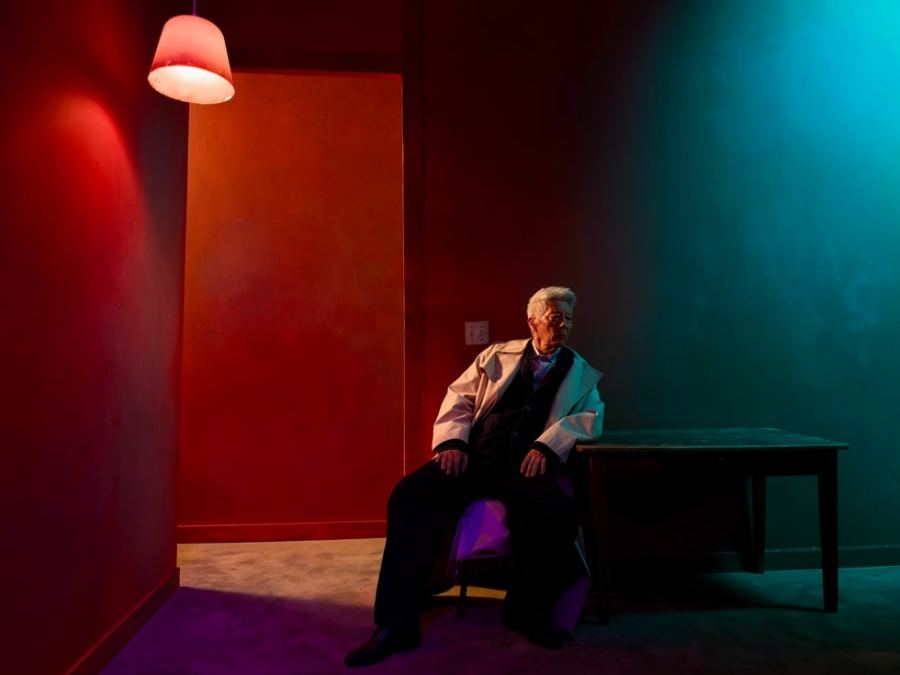
The Main camera can now sit at ƒ/1.48, ƒ/1.8, ƒ/2.8, or ƒ/4.0. Wide open it is a low-light grab. Stopped down it is a group shot that keeps the back row sharp. Apple’s own photography exhibition “What Holds Us” was shot on these phones for a reason: the hardware finally gives depth of field as a control instead of a computational afterthought.
Pro controls in the Camera app expose aperture, shutter, white balance, and a histogram. PhotonCam and RAW+ already added aperture dials in mid-September. Final Cut Camera following on September 29 means the same iris is now a video tool, not a stills novelty. That is the difference between a keynote slide and a working kit.
The chip and the chamber that keep Siri AI from cooking the frame
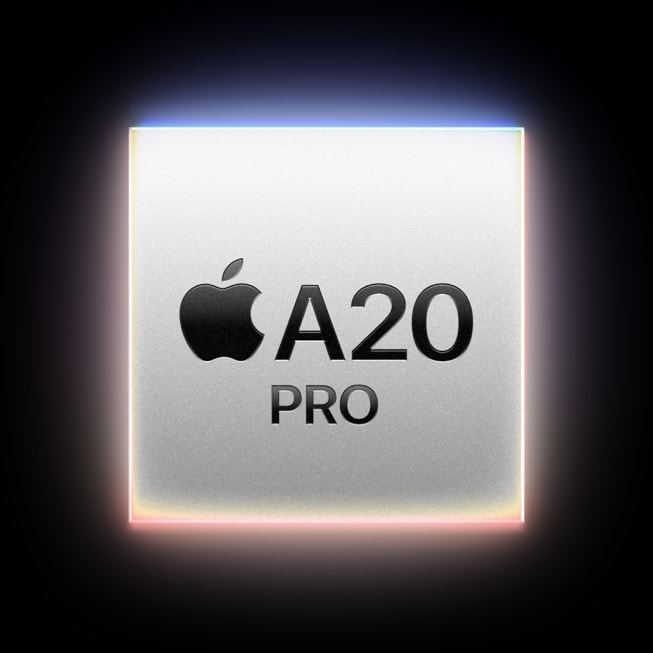
A20 Pro is Apple’s first 2nm phone chip: 6-core CPU, 7-core GPU Apple claims is up to 40 percent faster than A19 Pro, and a dual 16-core Neural Engine. Memory sits beside the die instead of on the thermal path so the silicon can glue directly to a larger vapor chamber. That is why reviewers who came from iPhone Air keep mentioning they have not felt the thermal wall during Siri AI sessions.
Siri AI itself rolled out in English beta with iOS 27 on September 14. It is the first Siri that can use personal context across Messages, Mail, and Photos, act on what is on screen, and run a Siri mode inside Camera. French, Japanese, Korean, Portuguese, and Spanish are listed for October. It still needs an Apple Intelligence-class phone, which this one is.
Battery numbers that only look boring on a spec sheet
eSIM-only Pro models are rated up to 36 hours of video playback; Pro Max up to 45 hours. Apple calls the Max jump the largest battery-life increase it has ever claimed for an iPhone. Wired charging to 50 percent in about 15 minutes is the number that will matter in airports. iFixit’s teardown already flagged that a stuck aperture likely means a whole camera module swap, and that some display frames cracked on the bench. Those are the first repair footnotes of the generation, not a recall.
What to watch next
Three clocks are running. First, the Face ID unexpected-reboot fix Apple promised after launch-week reports. Second, October language expansion for Siri AI, which will tell us whether the assistant is a US-English demo or a product. Third, John Ternus’s first internal push — reported this week — to shorten hardware cycles. If that is real, iPhone 18 Pro is less a destination than the last polished slab before Apple tries to ship more often.
Until then the practical advice is simple. If you buy a new iPhone this fall in most markets, you are buying a Pro or a Duo. The camera iris and the vapor chamber are the two hardware reasons the Pro is not just last year’s phone in Glacier and Burgundy.

Comments
0