
Ternus wants Apple off the September clock
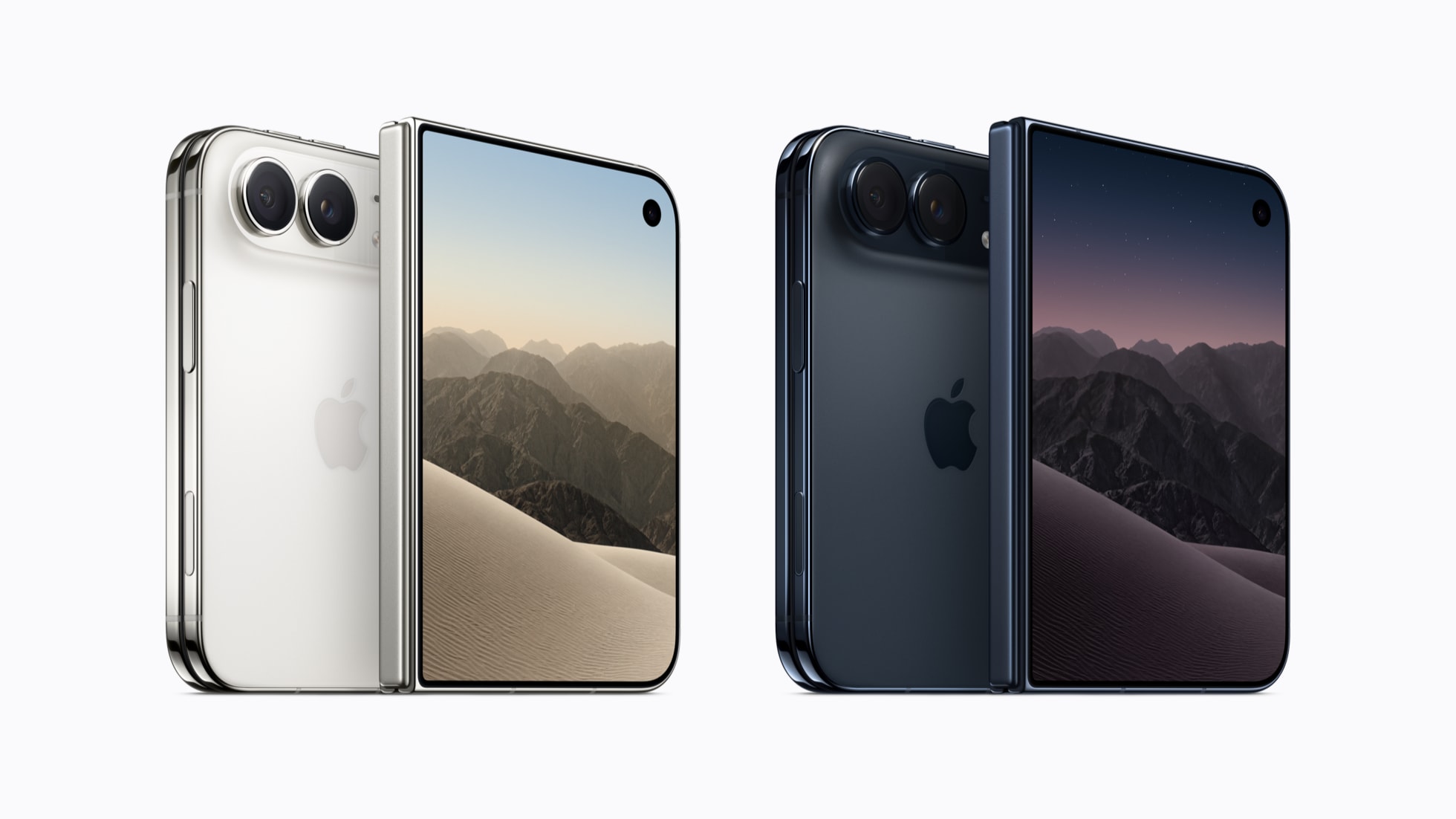
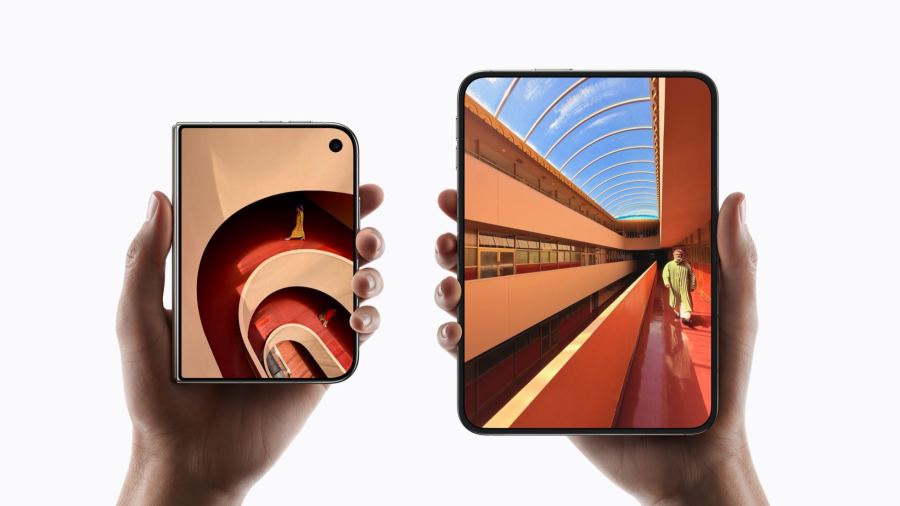
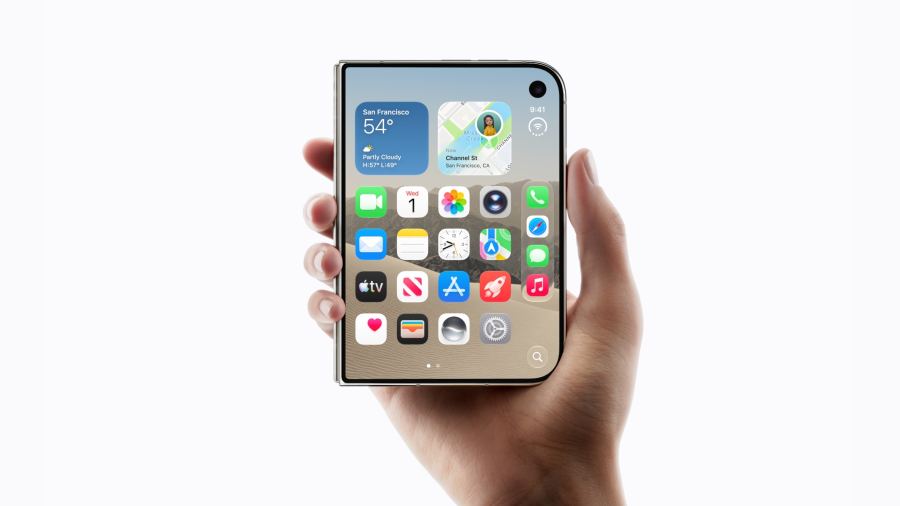
John Ternus ran his first fall keynote on September 9 and used the oldest Apple trick in the book: one more thing. The thing was iPhone Duo, a book-style foldable that starts at $1,999, opens to a 7.6-inch inner display, and does not reach stores until October 23. Three weeks later, Bloomberg reported that Ternus wants the company to stop treating spring and fall as the only times a product is allowed to exist. That is the more interesting story than another color option.
What the report actually says
The September 29 Bloomberg account, picked up by Reuters and The Verge, describes early ideas rather than a signed schedule. Ternus has told people inside Apple that the company needs to ship faster and experiment more if it wants to stay relevant in the AI era. Two levers show up in the reporting. One is calendar: fewer products parked for a single September stage. The other is org chart: fewer layers between engineers and the executives who can say yes, including cuts to engineering program managers in hardware over the prior two weeks. Apple did not comment.
Those cuts follow earlier reductions on the Siri and Vision Pro teams that Bloomberg had already flagged in August. Put together, the picture is a hardware CEO trying to make a services-and-AI company feel more like an engineering shop again. That is a tone shift from the Cook years, which optimized the existing machine. It is not yet a new machine.
The first event already broke the old pattern
The September show itself is evidence that the calendar is already bending. iPhone 18 Pro and 18 Pro Max went on sale September 18, starting at $1,199 and $1,299, with the A20 Pro, a smaller Dynamic Island, and a variable-aperture main camera. Apple Watch Series 12, Ultra 4, and AirPods 5 landed the same day. Duo did not. Apple set pre-orders for October 16 at 5 a.m. Pacific, with a Get Ready window from October 12, and a second wave of countries on October 30. That split was rumored before the event. Ming-Chi Kuo had said the foldable could be unveiled with the Pro phones and still miss the first sales weekend because of production limits. Official dates confirmed the rumor.
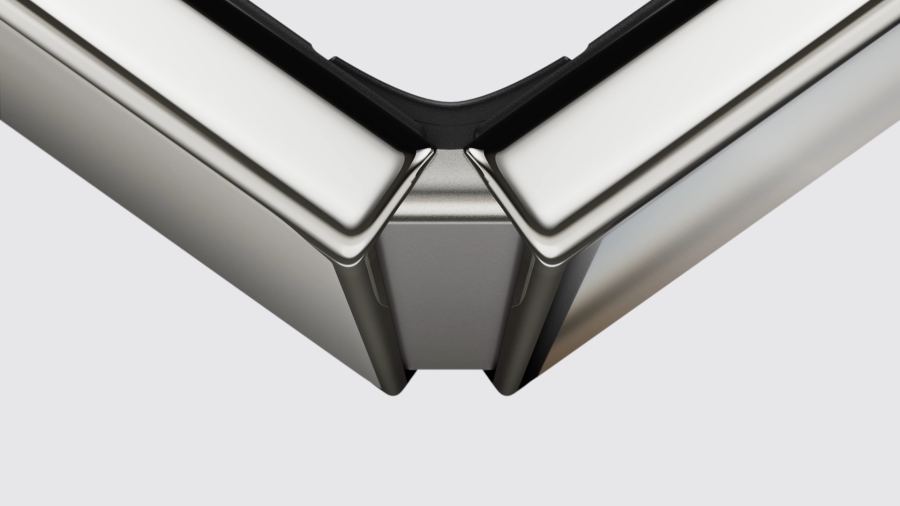
A late-September supply report, carried by 9to5Mac from Jiemian News, put assembly yield just over 60 percent and said suppliers think a mature yield could take another six months. Apple is reportedly targeting 6 to 8 million Duo units for 2026, against a much larger Pro run. A $1,999 phone that ships late and scarce is not a volume product. It is a proof that the hinge, the crease, and the dual-display software can survive contact with customers.
Why a faster cadence is harder than a memo
Apple's September event is not a marketing habit. It is how the fiscal year, the carrier deals, the factory ramps, and the holiday quarter line up. Moving a flagship off that clock changes revenue timing, not just the keynote script. Spreading announcements through the year also means more weeks when a product can miss. Duo is the test case: announced, photographed, and still not for sale. On October 1 Apple posted a Shot on iPhone Duo set from Jake Michaels and Jason Nocito. The campaign is running before the phone is. That is normal for Apple. It is also a reminder that the story and the inventory are on different clocks.
The 2027 list attached to the Bloomberg piece is long: AirPods with cameras, a first pair of smart glasses, a 20th-anniversary iPhone, a touchscreen MacBook, a new HomePod mini, iPad mini, and Apple TV 4K. None of that is official. If Ternus really wants more experiments, some of those have to ship as products rather than as September slides. A glasses product or a camera-in-the-stem AirPod does not fit the old iPhone-week template. Neither does a foldable that needs its own month.

What to watch through October
The next hard dates are operational, not rhetorical. October 12 is when Apple lets buyers lock color, storage, and carrier ahead of checkout. October 16 is the real demand signal: wait times on Star White and Night Sky, and whether the 2TB configuration at $3,199 even appears in stock. October 23 is the first day a crease can be judged in a store rather than in a press photo. If ship dates slip past the 23rd in major markets, the yield story stops being a supply-chain footnote.
The management story is slower. A leaner hardware org does not show up in a preorder page. It shows up if 2027 products arrive in months that are not March or September, and if experimental hardware is allowed to miss without being buried. Ternus already used his first keynote to put a foldable on stage and then withhold it for six weeks. The Bloomberg report says he wants that kind of exception to become the pace. Buyers will find out on October 16 whether the exception can be built fast enough to matter.
Comments
0