
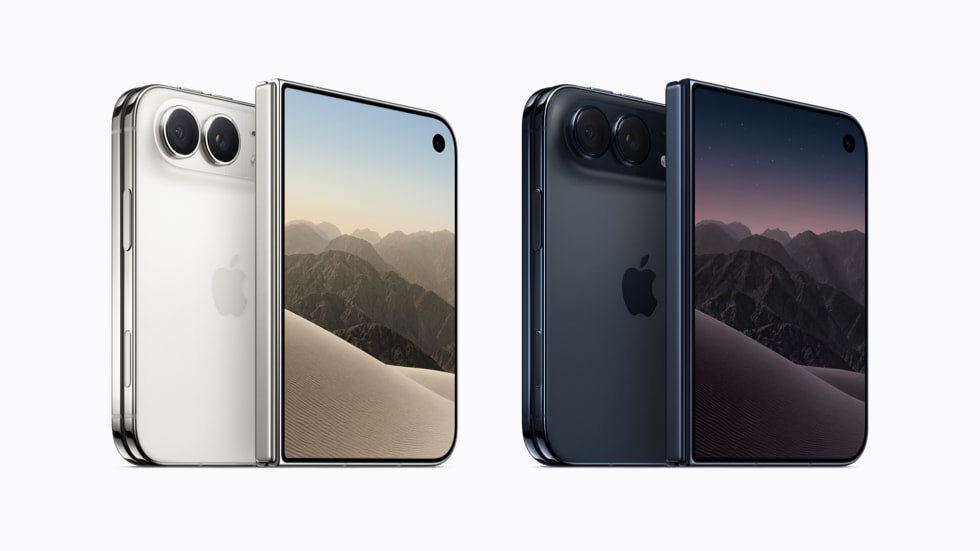
iPhone Duo Lands as Ternus’s First Big Bet: What the Foldable Actually Changes
Apple’s first foldable iPhone is no longer a rumor. On September 9, 2026, new CEO John Ternus walked out at Apple Park and unveiled the iPhone Duo alongside the iPhone 18 Pro and Pro Max. Pre-orders for the Duo opened October 16; the device reaches customers October 23. The Pro models have already been shipping since September 18. This is the first major product cycle under Ternus, who took the CEO chair on September 1 after Tim Cook moved to executive chairman.
The timing matters. Ternus is a hardware engineer who spent years running the teams that ship the physical products. His first keynote was built around a form-factor change Apple had talked about internally since at least 2011, when engineers (including Ternus) filed early patents on flexible displays and the battery and board layouts they would require. The company waited until the materials and hinge engineering were ready. In a later interview Ternus called earlier market foldables “cheap and crappy.” The Duo is priced accordingly: $1,999 for the 256 GB model, climbing to $3,199 for 2 TB.
What the Hardware Actually Is
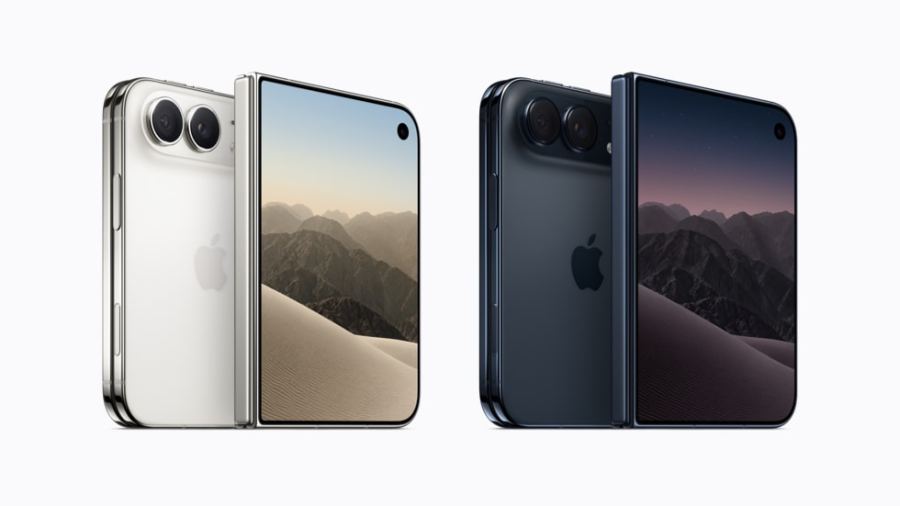
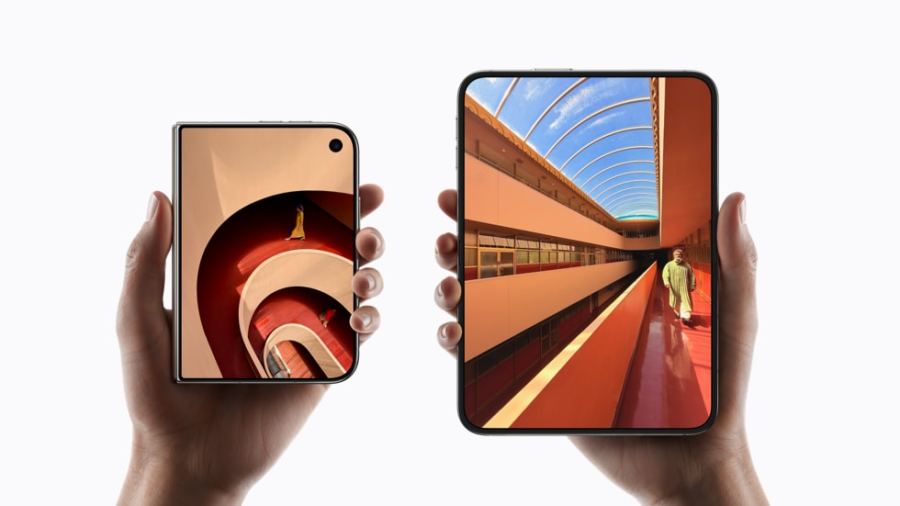
Closed, the Duo is roughly passport-sized with a 5.4-inch outer Super Retina XDR display that offers about 90 percent of the screen area of the 6.3-inch iPhone 18 Pro. Opened, the 7.6-inch inner display is roughly 50 percent larger than the 6.9-inch 18 Pro Max. Both panels share the same aspect ratio so content scales without letterboxing. The inner panel carries a nano-texture finish that reduces glare and helps hide the crease. A FaceTime camera sits under the inner glass and only appears when needed.
The chassis is grade-5 titanium with a polished finish. Ceramic Shield covers the back; Ceramic Shield 2 on the outer front is claimed to offer three times the scratch resistance of the prior generation. The hinge contains more than 100 components, uses an integrated magnet array for a firm close, and includes support ribs so the open device stays flat. Apple rates the whole package IP68. Touch ID lives in the side button because Face ID geometry changes when the phone folds. Camera Control and a dual-battery design round out the package. The A20 Pro chip is the same 2 nm part used in the 18 Pro models, paired with a custom vapor chamber.
Camera hardware is dual 48 MP (main and ultra-wide) with an integrated 2x optical-quality crop. There is no dedicated telephoto. The folding form enables several software tricks that do not exist on a conventional iPhone: Smart Take (AI watches the scene and fires when subjects pose), Duo Preview (subjects see the live view on the outer screen), and the ability to use the higher-resolution rear cameras for selfies while framing on the cover display.
The Pro Models Share the Stage
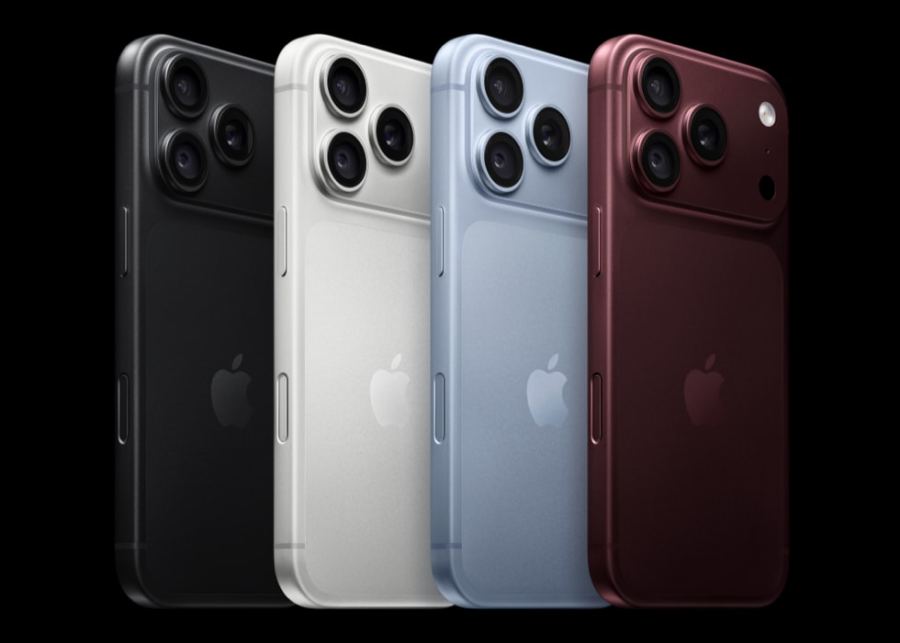
The iPhone 18 Pro and Pro Max keep the same overall industrial design as the 17 Pro generation. Visible changes are a smaller Dynamic Island that can show three Live Activities at once and four finishes: black, silver, glacier, and a new burgundy. Inside, the A20 Pro brings a 6-core CPU, 7-core GPU (up to 40 percent faster graphics), and a dual 16-core Neural Engine. The chip is packaged so it can sit directly against a next-generation vapor chamber with three times the surface area of the prior design. Apple claims the highest sustained performance yet on an iPhone.
Battery numbers are the largest single-generation jump the company has advertised: up to 36 hours of video playback on the Pro and 45 hours on the Pro Max (eSIM-only versions). Wired charging reaches 50 percent in about 15 minutes; wireless reaches the same point in 30 minutes. The main camera gains a mechanical variable aperture with six laser-cut blades that can open to ƒ/1.48. Users and apps can control aperture manually for the first time. A new Reference Image mode cryptographically signs sensor data so a photo can later be compared against an unalterable original. Pricing starts at $1,199 (Pro) and $1,299 (Pro Max), a $100 increase over the previous generation that Apple attributes in part to elevated memory costs.
There is no standard iPhone 18 in this cycle. Apple is holding the base model for a spring 2027 window, a deliberate split that keeps the fall focused on the higher-margin Pro and Duo devices.
Why the Split and the Price Matter
Memory and advanced-node supply have been tight across the industry. Raising Pro prices $100 while introducing a $2,000 foldable is a clear signal that Apple intends to protect margins even as unit growth becomes harder. The Duo ships weeks after the Pros, which gives the company time to manage early production of the more complex hinge and dual-display stack. Early supply-chain reports suggested the foldable was further behind in mass production; the staggered launch matches that reality.
For buyers the math is straightforward. The 18 Pro Max already offers 45-hour video playback and the variable-aperture camera for $1,299. The Duo costs $700 more at the base storage tier for the privilege of a larger canvas and the ability to run two apps side-by-side or prop the device like a mini tablet. Whether that premium is justified depends on how often a user actually wants the open form factor. Apple has optimized iOS 27 for the Duo: controls move to the sides, the Home Screen can show two pages plus widgets when open, and the Dynamic Island reorients vertically. Third-party apps such as Netflix, Zoom, and Slack already have Duo-specific layouts.
Ternus, Services, and the Broader Picture
Ternus has also been reshaping the executive team. Recent moves include a new mergers-and-acquisitions chief and a promotion inside the App Store organization after Phil Schiller stepped back from day-to-day duties. Reports suggest Ternus and services chief Eddy Cue are looking at ways to increase App Store contribution margin. That could mean higher developer fees or new charges for high-volume apps; any such change will be watched closely by regulators who have already forced Apple to open alternative payment and distribution paths in the EU and elsewhere.
On the product side the company continues a steady stream of smaller AI-related acquisitions. The June asset purchase of Zurich-based Samplab (disclosed via the EU Digital Markets Act list) brings note-level audio editing and refined stem tools that are expected to land in Logic Pro. Similar quiet deals have been filling gaps in Apple Intelligence and creative apps. These are not the flashy foundation-model bets some competitors have made; they are targeted capability additions that fit Apple’s existing software stack.
Repairability is another quiet front. On October 20 Apple added genuine parts and tools for the iPhone 18 Pro, 18 Pro Max, M5-series Mac Studio, and M6/M5 Pro Mac mini to the Self Service Repair Store. Manuals have been available since the devices launched; parts are now orderable in the U.S., Canada, and Europe. A seven-day tool kit rental is $49. For most owners the Genius Bar or an authorized provider will still be simpler and often similar in cost once tool rental and part-return credits are factored in. The expansion still matters for right-to-repair pressure and for the subset of users who prefer to service their own hardware.
What to Watch Next
Three near-term events will define how this cycle is judged. First, the October 28 “Pro and Tell” media experience in Los Angeles is expected to introduce OLED touchscreen MacBook Pro models (14- and 16-inch), an M6 iMac and entry-level MacBook Pro, and an OLED iPad mini. Pre-orders could open the same day with retail availability around November 6. Second, the Duo’s first-week sales and early reliability reports (hinge feel, crease visibility after weeks of folding, battery life in real dual-display use) will set the narrative for whether Apple’s late entry into foldables is a hit or a high-priced niche. Third, Ternus’s first earnings call as CEO is scheduled for November 2. Investors will want color on Duo mix, Pro demand after the $100 price increase, and any update on Apple Intelligence rollout in China (still expected later in the year without the full Siri AI experience).
Longer term the base iPhone 18 and possible 18e arrive in spring 2027, which will show whether the split-launch strategy simply delays volume or successfully segments the lineup. Memory costs and advanced-node capacity will remain constraints. If the Duo proves durable and the software experience feels native rather than bolted-on, it gives Ternus a clear hardware signature in his first year. If early units show hinge wear or if the $2,000 price keeps volumes low, the foldable becomes a halo product that mainly protects the Pro franchise.
For now the hardware is official, the prices are known, and the first units are days from customer hands. The interesting part is no longer whether Apple would ship a foldable; it is whether the combination of titanium, nano-texture glass, dual batteries, and a reoriented iOS is enough to make the form factor feel inevitable rather than optional.
Comments
0