
Inside Apple’s First Foldable Era: How the iPhone Duo and 18 Pro Redefine the Lineup Under Ternus
Apple’s September 9, 2026 “Surprise and Shine” event marked more than another product cycle. It was the first major hardware showcase under CEO John Ternus, and it delivered the company’s first foldable iPhone alongside a focused Pro refresh. The iPhone Duo and the iPhone 18 Pro / Pro Max arrived with clear official specifications, pricing, and dates rather than lingering rumor status. Pre-orders for the Pro models began September 12 and devices reached stores September 18; the Duo follows with pre-orders October 16 and availability October 23. This piece examines what was confirmed, why the choices matter, and what the roadmap implies next.
What Happened at the Event
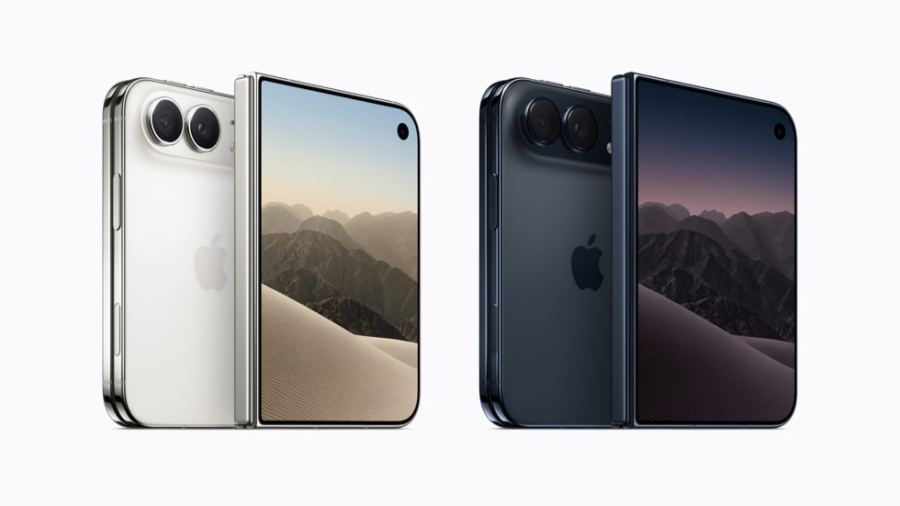
The keynote introduced the iPhone Duo as a passport-style foldable with a 7.6-inch inner Super Retina XDR display and a 5.4-inch outer display that retains roughly 90 percent of the screen area of the iPhone 18 Pro. Both screens share the same aspect ratio so content scales continuously. Opened, the Duo is the thinnest iPhone Apple has made, measuring about 5.2 mm. It uses grade-5 titanium, a precision hinge with more than 100 components, Ceramic Shield protection, and an IP68 rating. The inner display carries a nano-texture finish to reduce glare and crease visibility, plus an under-display FaceTime camera. Pricing starts at $1,999 for 256 GB in Star White or Night Sky.
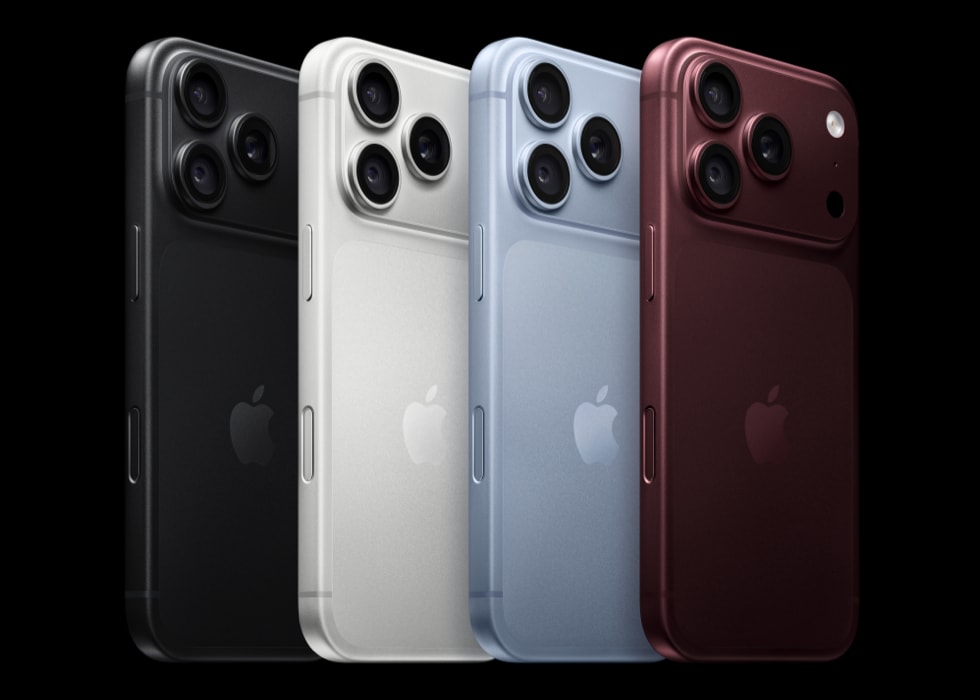
Alongside it, Apple launched the iPhone 18 Pro and iPhone 18 Pro Max. These are not full redesigns of the exterior but they add a 48 MP Fusion Main camera with the first variable aperture on an iPhone (f/1.48 to f/4 via six laser-cut blades), a smaller Dynamic Island that can show three Live Activities, A20 Pro on a 2 nm process, a next-generation vapor chamber with three times the surface area of the prior generation, and the largest single-generation battery jump Apple has claimed. Starting prices are $1,199 and $1,299 respectively—$100 higher than the 17 Pro equivalents. Colors are black, silver, glacier, and a new burgundy. No base iPhone 18 was announced; that model is expected later.
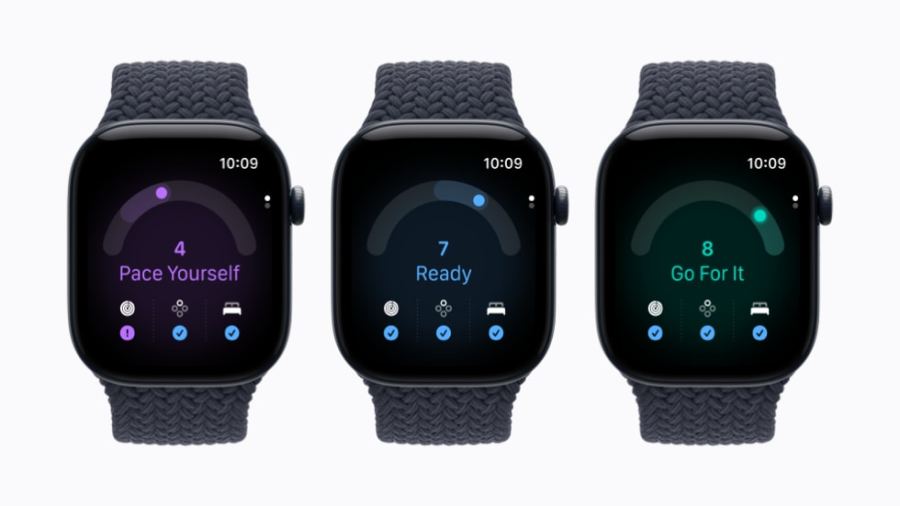
The same event brought Apple Watch Series 12 and Ultra 4 with the Health Sensing System, S11 chip, higher-frequency heart-rate sampling, a Readiness score, and battery improvements (Series 12 up to 24 hours everyday use; Ultra 4 up to 50 hours). AirPods 5 added active noise cancellation as standard on the $129 model, with a wireless-charging case option at $149. Software updates centered on iOS 27 and Siri AI, with broader availability beginning mid-September.
Why It Matters
The foldable decision is the clearest strategic signal. After years of watching Samsung and others iterate on book-style devices, Apple entered with a titanium chassis, dual displays of matching aspect ratio, and software adaptations that move controls to the side and support side-by-side multitasking. The under-display camera and Apple Pencil support later this year further differentiate it from pure slab competitors. At $1,999 it sits roughly in line with premium foldables from Samsung and Google at comparable storage, but Apple is banking on its ecosystem integration, durability claims, and the fact that it remains an iPhone rather than a separate category. Early hands-on coverage noted the weight (around 254 g) and the hinge feel as points to watch once units are widely available.
On the Pro side, variable aperture is more than a spec-sheet bullet. Six blades allow automatic or manual control across four settings, improving low-light capture and depth-of-field options while feeding a new computational pipeline and Apple Reference Image authenticity feature. The A20 Pro’s 2 nm process, dual 16-core Neural Engine, and direct vapor-chamber attachment are positioned for sustained performance and on-device AI workloads under Siri AI. The battery gains—especially the Pro Max’s claimed largest-ever increase—address a long-standing user complaint. The $100 price rise is attributed in part to memory costs, yet Apple simultaneously raised prices on older models, signaling confidence in demand.

For Ternus, the event set a tone of continuity with targeted expansion. No Vision Pro, no new Macs (those arrived in August), and no standard iPhone this cycle. The focus stayed on the highest-volume premium devices plus the long-rumored foldable. Health features on the Watch and ANC across the AirPods line continue Apple’s pattern of layering services and stickiness onto hardware. The upcoming October 13 “Welcome home” activity, expected to cover a smart-home hub, refreshed HomePod mini, and Apple TV 4K, extends the same disciplined approach into the home.
What to Watch Next
The immediate calendar is fixed. iPhone Duo pre-orders open October 16 at 5 a.m. PT across more than 70 countries, with first deliveries October 23 and wider rollout by the end of the month. Supply constraints have been speculated but not confirmed by Apple. iOS 27.1 is expected to ship with the Duo; 27.2 is anticipated later in October. On October 13 Apple has invited media to a New York experience for the home products; exact timing and whether it is a full event or a press-release-plus-hands-on remain secondary to the confirmed product focus.
Further out, reports point to an October 27 window for OLED MacBook Pro models, an OLED iPad mini, an M6 14-inch MacBook Pro, and an M6 iMac. A high-end Mac Studio configuration with 512 GB unified memory was previously promised for late October. These remain in the rumor-to-confirmation pipeline until Apple issues official pages or a newsroom post. On the software side, the performance of Siri AI in daily use, the practical value of Apple Reference Image for creators and journalists, and how third-party apps exploit the Duo’s dual-display APIs will determine whether the foldable becomes a meaningful volume product or a high-end niche.
Pricing and trade-in dynamics also merit attention. With the Pro models already $100 higher and carrier deals offering up to $1,200 in credit on eligible trade-ins, the effective cost of entry will vary widely. The Duo’s $1,999 starting point places it in a different bracket; early adoption will likely be driven by users who specifically want the larger canvas and multitasking rather than those upgrading on a regular cycle. Battery life, hinge durability after months of folding, and heat management under sustained AI or gaming loads are the practical tests once devices are in customers’ hands.
In short, the September announcements moved several long-standing rumors into the official record and gave Ternus a clean first major stage. The Duo expands the iPhone form factor without abandoning the core experience; the 18 Pro refines the flagship with camera control and efficiency gains that align with Apple Intelligence goals. The next several weeks will show how supply, software polish, and customer response line up with the claims made on stage. Official product pages, newsroom updates, and the October 13 and 16 dates are the places to watch for confirmation rather than further speculation.
Comments
0