
Ternus Opens the Front Door: What Apple’s Welcome Home Lineup Reveals About the Foldable Year
On October 13, 2026, Apple did not hold a traditional keynote. Instead it staged a quieter “Welcome Home” experience in New York and dropped a set of product announcements that together form the clearest signal yet of how the company under new CEO John Ternus intends to treat the living room. The same day the HomePod mini finally received its long-awaited successor, a brand-new smart display called HomeView appeared, the Apple TV 4K moved to its fourth generation, and a curated collection of partner accessories was branded Apple Home Collection. None of these devices reinvent the wheel on their own. Together they sketch a deliberate strategy: make the home a first-class Apple surface, keep Siri AI at the center even when the silicon is not yet ready, and set the stage for the far more expensive foldable that arrives days later.
What Actually Shipped on October 13
The headline product for most households is the HomePod mini 2. It keeps the same compact spherical fabric body that has defined the mini since 2020, but the color palette is refreshed: pink, green, and a lighter blue join the returning white and midnight. Pricing lands at $149, a $20 increase over the model it replaces. Pre-orders opened the day of the announcement; availability begins October 30. Inside sits the S10 chip previously seen in Apple Watch Series 10, Wi-Fi 6E, Bluetooth 6, and a new top-surface feature Apple calls Sound Glow. The top becomes a visual canvas that pulses in time with music and borrows colors from the current album art. Up to four of the new minis can form a surround array with the updated Apple TV 4K, the speakers and the set-top box sensing one another’s positions and calibrating levels automatically. The mini can also serve as a Mac’s default speaker on machines that support Wi-Fi 6E.
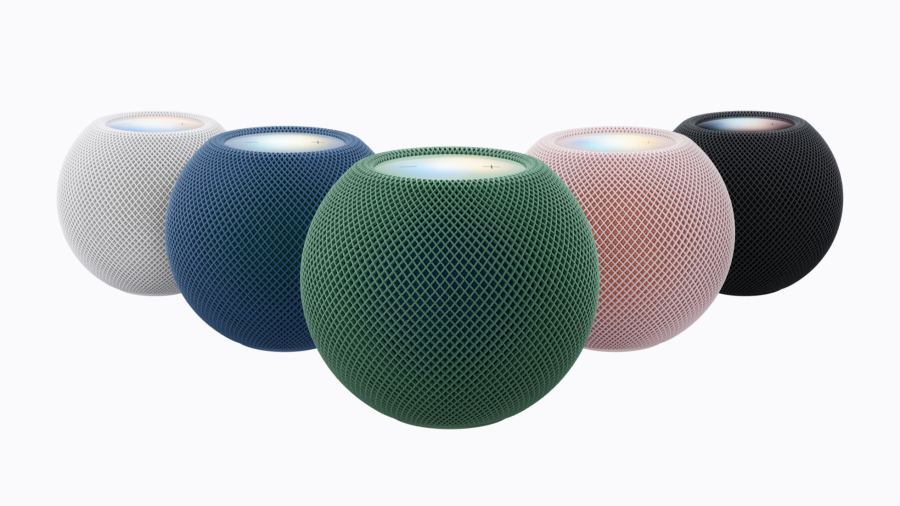
The catch is Siri AI. Apple is explicit that the more capable, conversational assistant will arrive in a future software update, not at launch. When it does, the mini will be able to recognize up to six voices in a household and draw on personal context from a paired Apple Intelligence-capable iPhone or iPad. Until that update ships, the device runs HomePod software 27.2 with the more limited assistant users already know. This staggered rollout is the clearest example yet of Apple’s current AI cadence: ship the hardware on the calendar, ship the intelligence when the models and the on-device pairing are ready.
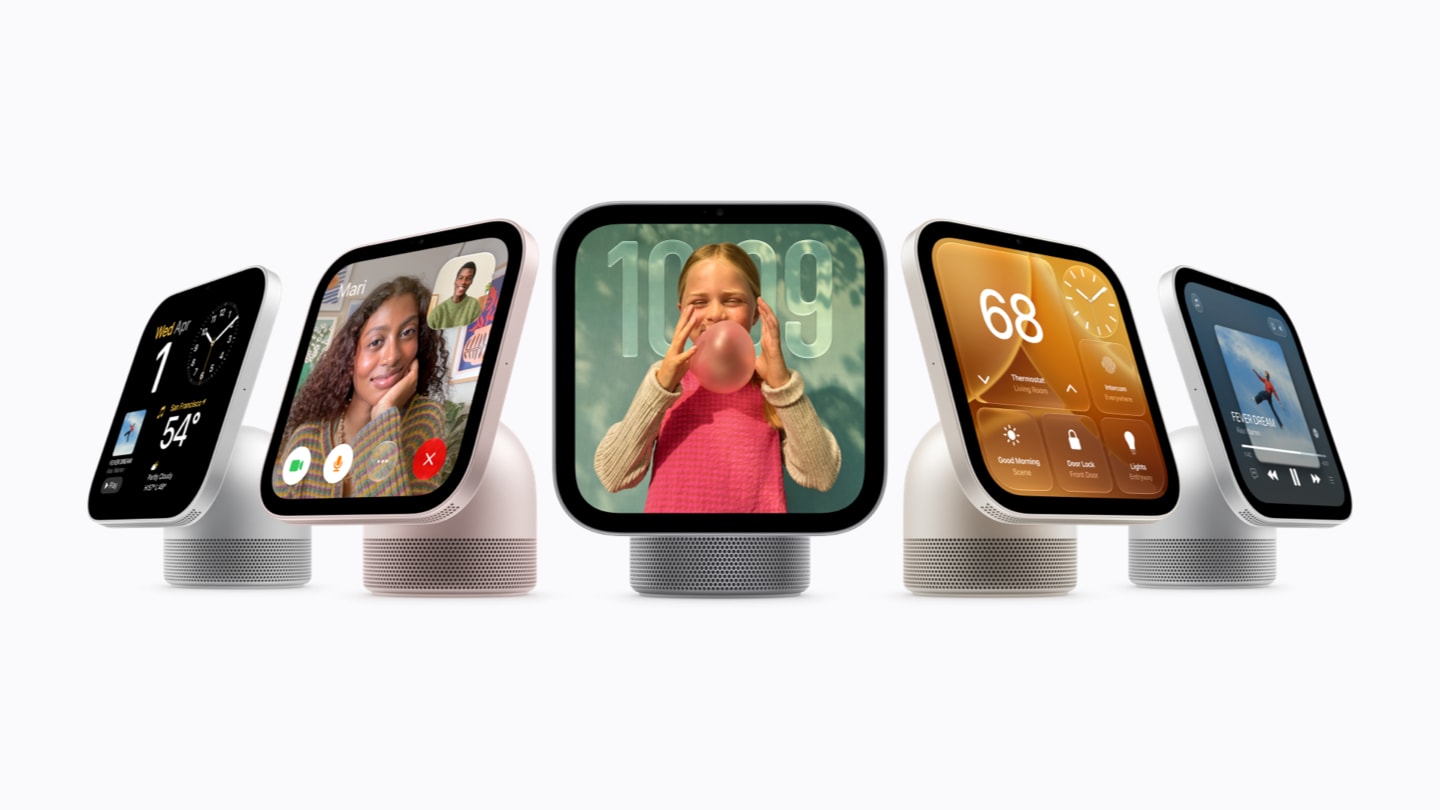
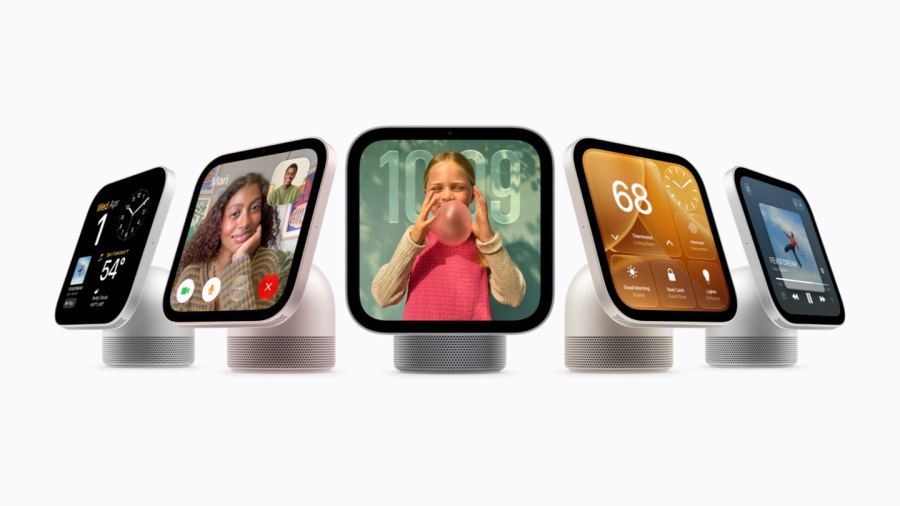
Alongside the mini, Apple introduced HomeView, a 7-inch square Liquid Retina display on a speaker base (or a wall-mounted variant). It starts at $299, pre-orders opened October 13, and it reaches stores November 13. The display can show customizable faces—photos, clocks, weather, calendars, even Snoopy—and supports FaceTime with a 12-megapixel Center Stage camera. Facial recognition lets it personalize the interface for up to six enrolled users while keeping messages and private data gated behind the presence of a recently unlocked paired device. Siri AI is present in beta at launch on HomeView software 27.2. The design language deliberately echoes the old iMac G4’s dome-and-arm silhouette, a nostalgic nod that also keeps the speaker base compact enough for a nightstand or kitchen counter.
The fourth-generation Apple TV 4K shares the same November 13 availability and $299 starting price. It gains a faster chip (A19-class), more memory for Apple Intelligence workloads, an Apple-designed N1 networking chip with Wi-Fi 7, and a revised Siri Remote. Combined with the new HomePod mini 2 units, it is the hub for the four-speaker surround setup. Finally, Apple Home Collection is a set of cameras, a video doorbell, a UWB smart lock, thermostats, and sensors developed with LG Electronics and Schneider Electric. These start at roughly $40 and arrive in December, with some pieces slipping into early 2027. They require a home hub (HomeView, HomePod, or Apple TV) and are designed to work with the privacy and recognition features Apple is building into the rest of the stack.
Why the Timing Matters Under Ternus
John Ternus became CEO on September 1. The September product event that introduced the iPhone 18 Pro models, Apple Watch Series 12 and Ultra 4, AirPods 5, and the iPhone Duo was still largely planned under the previous regime. The October home push is the first major coordinated release that feels like it belongs to the new leadership. Ternus has spent years in hardware engineering; the decision to ship a refined but not radically redesigned HomePod mini, a new display category, and a partner accessory program in a single day suggests a preference for filling gaps in the existing ecosystem rather than waiting for perfect silicon on every device.
The delayed Siri AI on the HomePod mini 2 is instructive. Apple could have held the speaker until the assistant was ready. Instead it shipped the hardware on the date it had signaled, with a clear footnote that the intelligence arrives later. That pattern matches the broader Apple Intelligence rollout: iOS 27 brought Siri AI in beta for English in September, with additional languages promised for October. HomeView gets a beta of the assistant at launch; the mini does not. The company is prioritizing the devices that can already host the models (the A18-class HomeView and the new Apple TV) while still refreshing the high-volume speaker that has been on the market for six years.
Pricing also tells a story. The mini moves from $129 to $149. HomeView and the Apple TV both start at $299. These are not aggressive entry points, but they are consistent with Apple’s recent willingness to raise prices while adding features that deepen the ecosystem lock-in. Sound Glow, Mac speaker pairing, four-speaker surround, and multi-user voice recognition are all features that work best when the rest of the house is also Apple. The Home Collection accessories extend that logic into categories Apple has historically left to third parties, but under its own privacy branding.

The Foldable That Arrives Next
Two days after the home announcements, attention shifts to the iPhone Duo. Pre-orders open Friday, October 16 at 5 a.m. Pacific; the phone reaches customers on October 23 in more than 70 countries, with a second wave on October 30. Starting price is $1,999 for 256 GB in Star White or Night Sky, rising to $3,199 for 2 TB. The device has a 5.4-inch outer display and a 7.6-inch inner display with nano-texture, runs iOS 27.1 (a version dedicated to the Duo), and uses the A20 Pro. It is Apple’s first foldable and the most expensive iPhone the company has ever sold.
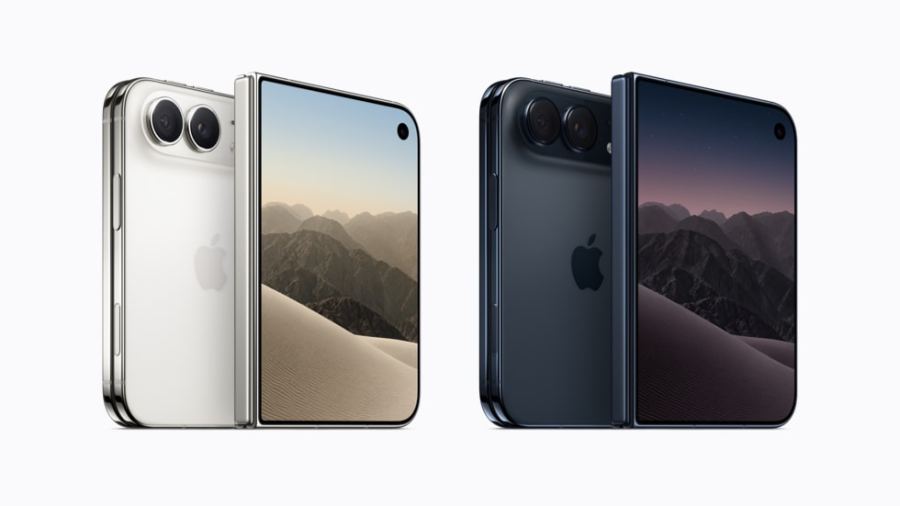
The Get Ready flow in the Apple Store app has been live since October 12, letting customers pre-select color, storage, carrier, and payment so checkout on the 16th is a single confirmation. Apple has published no per-configuration stock figures and no delivery estimates until an order is placed, so the practical constraint for most buyers will be how quickly they complete checkout rather than any public scarcity signal. The Duo was announced in September alongside the iPhone 18 Pro models; the six-week gap between announcement and pre-order is longer than the usual iPhone cadence and gives developers time to optimize apps for the dual-display, multi-pose form factor.
Placing the home products and the foldable in the same two-week window is not accidental. The Duo is a high-margin, low-volume product that demonstrates Apple can still introduce new form factors. The home lineup is higher-volume and lower-margin; it expands the installed base of devices that can serve as home hubs, speakers, and displays. Together they give Ternus a product slate that covers both the aspirational flagship and the everyday surfaces where Siri AI is meant to live. Whether the home devices can generate meaningful Services attach rates or simply defend the existing installed base will be one of the questions investors hear when Ternus leads his first earnings call on November 2.
What to Watch Next
Three dates matter more than the rest. October 16 is the real test of Duo demand; the speed of the sell-through and any early delivery slips will be visible within hours of pre-order open. October 30 brings the HomePod mini 2 into stores and the second wave of Duo markets. November 13 brings HomeView and the new Apple TV 4K. Between those dates, watch for the Siri AI software update that finally unlocks the mini’s promised assistant, and for any early reviews that quantify how well the four-speaker surround calibration actually works in real rooms. On the software side, iOS 27.2 betas continue to roll out with additional Siri AI languages; the public release timing will determine how soon the full home experience is available outside English-speaking markets.
The larger question is whether the Welcome Home lineup is the start of a more frequent cadence under Ternus or a one-time gap-filling exercise. Apple has historically clustered major announcements in spring and fall. Shipping a coordinated home package in mid-October, weeks after the iPhone event and days before the Duo pre-order, suggests the company is willing to break that rhythm when the product is ready and the narrative (a more personal, private home) is coherent. If subsequent quarters continue to fill category gaps rather than waiting for the next big iPhone, the Ternus era will look meaningfully different from the Cook era that preceded it. For now, the hardware is on the calendar, the intelligence is staggered, and the foldable is two days from pre-order. That is the practical shape of Apple’s home strategy in October 2026.
Comments
0