
Apple’s September 2026 Reset: How the iPhone Duo and Ternus Transition Redefine the Company’s Hardware Strategy
Apple’s September 9, 2026 “Surprise and Shine” event marked more than the annual iPhone refresh. It was the first major product stage under new CEO John Ternus, eight days after he formally succeeded Tim Cook. The company delivered confirmed hardware rather than rumors: the iPhone 18 Pro and Pro Max, Apple’s first foldable called the iPhone Duo, updated Apple Watch models, and AirPods 5. These announcements arrived after years of supply-chain speculation about a foldable and a deliberate leadership transition that Cook has since described as planned years in advance.
What happened on stage is now official. Pre-orders for the Pro models opened September 12 with sales beginning September 18. The Duo, Apple’s passport-style foldable, is scheduled for pre-order on October 16 and availability on October 23. Pricing is clear: iPhone 18 Pro starts at $1,199, Pro Max at $1,299, and the Duo at $1,999 for 256GB. These figures, combined with the absence of a standard iPhone 18 this fall, signal a deliberate shift toward higher-margin Pro and foldable devices.
The Hardware That Became Official
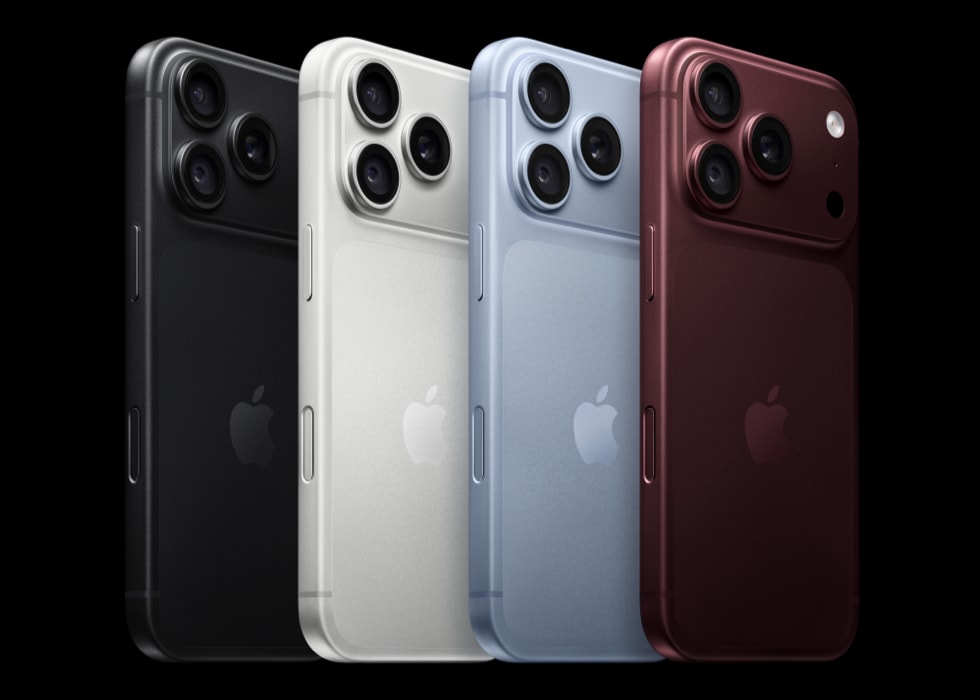
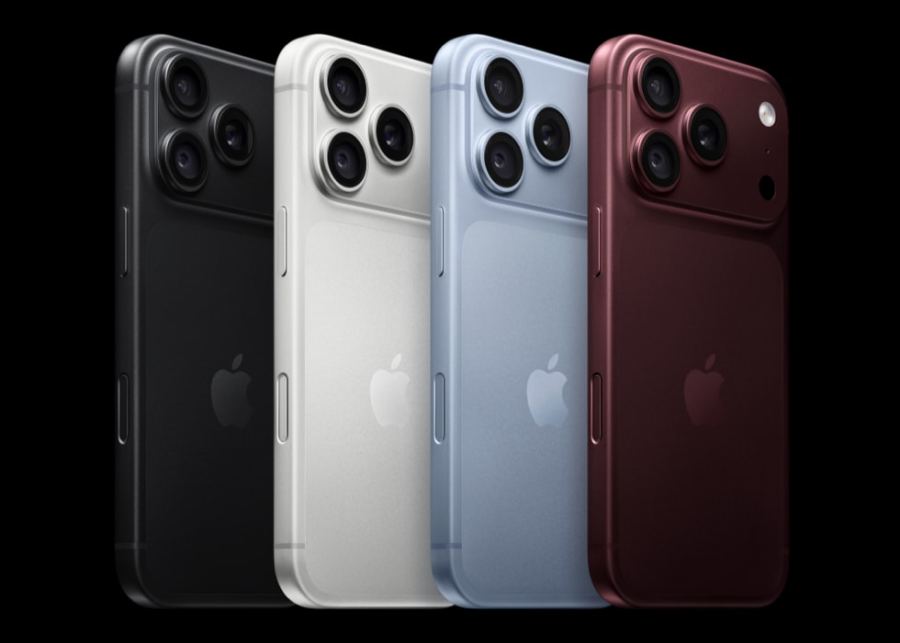
The iPhone 18 Pro and Pro Max retain the design language of the previous generation but add material upgrades. Both use the A20 Pro chip built on TSMC’s 2-nanometer process, featuring a 6-core CPU, 7-core GPU, and Dual 16-core Neural Engine. Apple pairs this with a next-generation vapor chamber that attaches directly to the silicon package, enabling higher sustained performance. Battery life jumps meaningfully: up to 36 hours of video playback on the Pro and 45 hours on the Pro Max for eSIM-only models. The 48MP Fusion Main camera gains variable aperture for the first time, allowing automatic or manual control across four settings. Dynamic Island shrinks and can display three Live Activities simultaneously. Colors are black, silver, glacier, and a new burgundy.
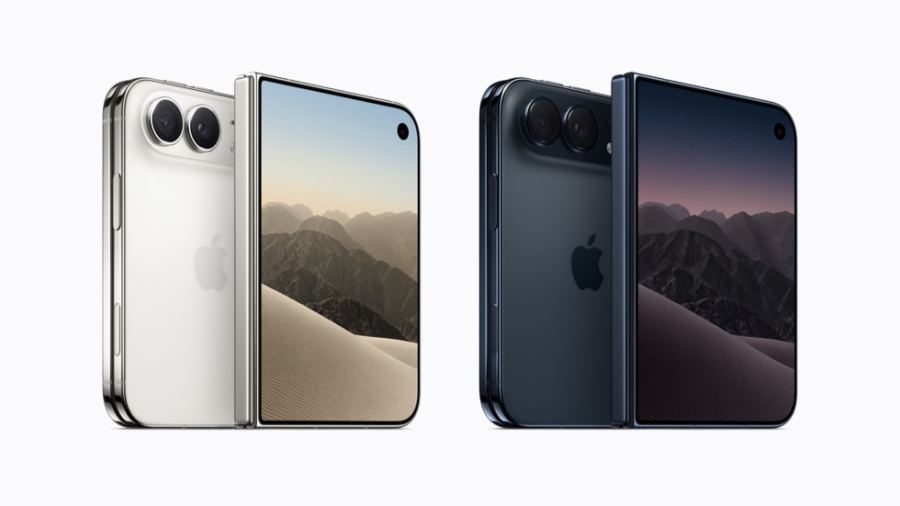
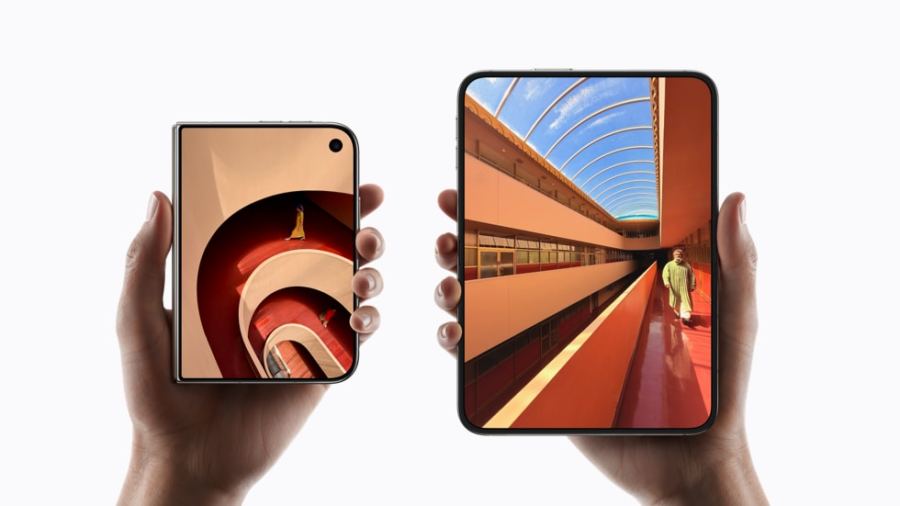
The iPhone Duo is the larger structural change. When closed it measures roughly the size of a passport with a 5.4-inch outer display offering about 90 percent of the screen area of the 18 Pro. Opened, the 7.6-inch inner display is 50 percent larger than the Pro Max. Both screens share the same aspect ratio so content scales continuously. The hinge uses more than 100 precision components and includes a titanium plate and multi-layer lamination designed to reduce crease visibility. It runs the same A20 Pro, uses dual batteries, and is eSIM-only worldwide. Touch ID sits in the side button; an under-display FaceTime camera appears on the inner screen. Apple Pencil support is promised later this year. Finishes are Star White and Night Sky in polished grade-5 titanium.
Why the Timing and Pricing Matter
Cook has stated publicly that he stepped down on September 1 specifically to give Ternus “wind at his back” during a strong product cycle. In an interview with The Independent, Cook said the transition “started years ago” and that he is “not meddling.” His role as executive chairman focuses on worldwide policy and government relations, while Ternus runs day-to-day operations and product strategy. This arrangement is visible in the event itself: Ternus introduced the Duo and framed it as the most transformational change to iPhone since the original. The staggered release — Pros in mid-September, Duo in late October — also reflects manufacturing realities that rumors had flagged for months. Earlier reports suggested the foldable would trail the Pro models; the official dates confirm that pattern.
Pricing reinforces Apple’s margin strategy. A $100 increase on the Pro Max and a $1,999 entry point for the Duo place both devices firmly in premium territory. The absence of a non-Pro iPhone 18 this fall further concentrates volume on higher-ASP models. Combined with the services business that already contributes a large share of profit, this hardware mix gives Ternus room to invest in new form factors without immediate pressure for a mass-market volume play. Investors watching the November 2 earnings call will hear Ternus discuss these results for the first time as CEO; guidance issued earlier pointed to mid-to-high single-digit revenue growth for the September quarter with double-digit iPhone growth.
The Broader Product Context
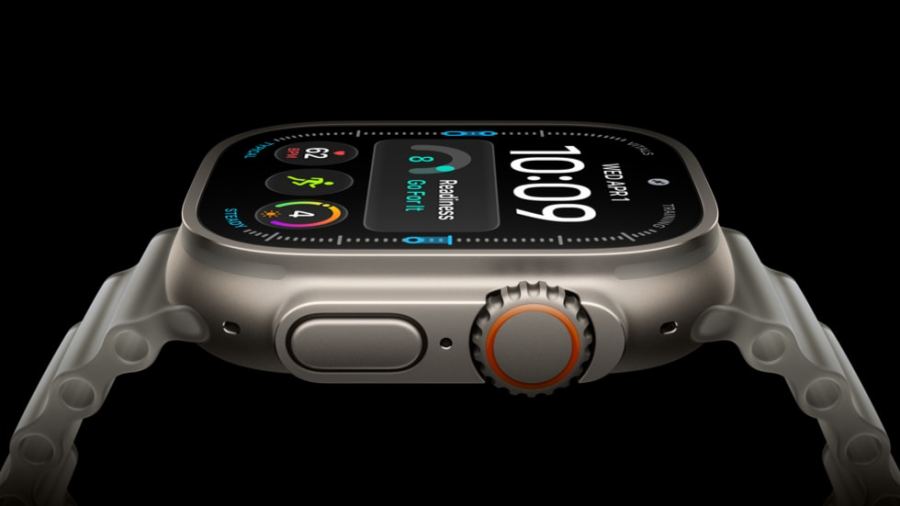
Apple Watch Series 12 and Ultra 4 arrived alongside the phones. The Ultra 4 adds a Health Sensing System that Apple calls the most accurate heart-rate sensing in a wearable, plus a Readiness score and up to 45 hours of extended workout tracking. Audio Intelligence features — Sound Recognition, automatic Shazam, and later Live Rewind and Siri Recap — leverage the watch microphones and on-device models. AirPods 5 bring improved active noise cancellation. On the software side, iOS 27, watchOS 27, and related updates rolled out September 14 with Siri AI in beta for English, expanding personal context, onscreen awareness, and app actions. These features require Apple Intelligence-capable devices and remain regionally limited in the EU and China for now.
The combination of a foldable, a refined Pro lineup, and deeper AI integration shows Ternus continuing the hardware-software co-design that defined his earlier role as SVP of Hardware Engineering. The Duo’s reimagined iOS experience — side-mounted controls, dual Home Screen pages, and pose-aware multitasking — is possible only because the industrial design and the operating system were built together. That approach is consistent with how Apple previously handled the transition to Apple silicon and the expansion of the Watch.
What to Watch Next
Several open questions remain. Supply of the Duo is expected to be constrained at launch; early demand will test whether the $1,999 price and passport form factor expand the foldable market or remain a niche premium purchase. Apple Pencil support arriving later this year will matter for productivity use cases. On the leadership side, Cook’s insistence that he is not meddling will be measured by how freely Ternus restructures the organization. Reports already indicate Ternus wants a leaner structure with faster product cadence and a broader device range. The November 2 earnings call will be the first public test of how he communicates strategy and near-term guidance.
Regulatory pressure on the App Store and continued engagement with governments remain Cook’s explicit domain. Any new trade or privacy developments will still involve the former CEO even as Ternus focuses on engineering and product velocity. For customers, the practical timeline is clear: Pro models are already shipping, the Duo arrives in late October, and Siri AI continues its phased language rollout. The September 2026 announcements converted months of rumors into fixed prices, dates, and specifications. The longer-term test is whether the new form factor and the new CEO produce the sustained product cadence Apple has historically delivered after major transitions.
In short, Apple has executed a dual transition — hardware and leadership — on a compressed schedule. The official details now available remove the ambiguity that surrounded the foldable and the CEO change for most of 2026. What remains is execution: manufacturing yield on the Duo, customer response to the higher price points, and Ternus’s ability to set an independent direction while Cook manages external relationships. Those outcomes will define the next chapter more than any single keynote slide.
Comments
0