
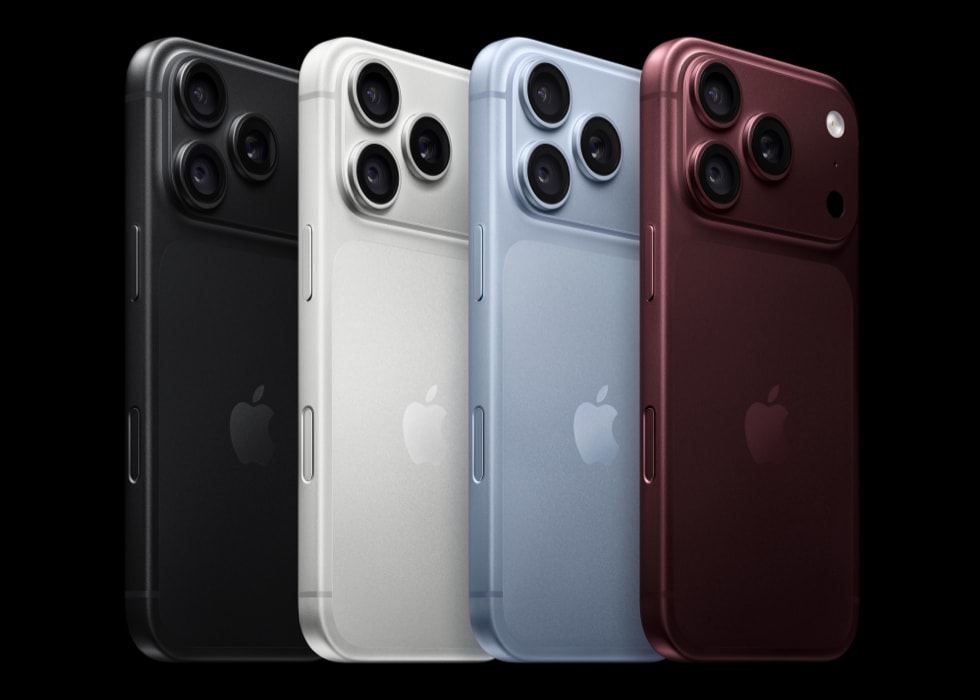
Premium Pricing Meets Reality: Soft Demand for iPhone 18 Pro Tests the Early Ternus Era
Just weeks after John Ternus took the stage as Apple’s new CEO and unveiled the company’s first foldable iPhone alongside the iPhone 18 Pro lineup, supply-chain signals are already testing the premium strategy. According to a Nikkei Asia report published on October 9, Apple has asked some suppliers to reduce component production for the iPhone 18 Pro and iPhone 18 Pro Max, with October orders cut by at least 15 percent compared with earlier requests. Sources cited soaring memory-chip costs and the resulting $100 price increases as dampening consumer demand.
The iPhone 18 Pro starts at $1,199 and the Pro Max at $1,299—both $100 higher than the models they replaced. Apple has pointed to AI-driven demand for high-bandwidth memory as the broader industry pressure forcing these adjustments. Unlike prior years, the company did not introduce a base iPhone 18 at its September 9 “Surprise and Shine” event. The standard model, along with an expected iPhone 18e and Air variant, is reportedly deferred to spring 2027. That split schedule means the fall cycle is entirely premium-focused, amplifying the impact of any price sensitivity.
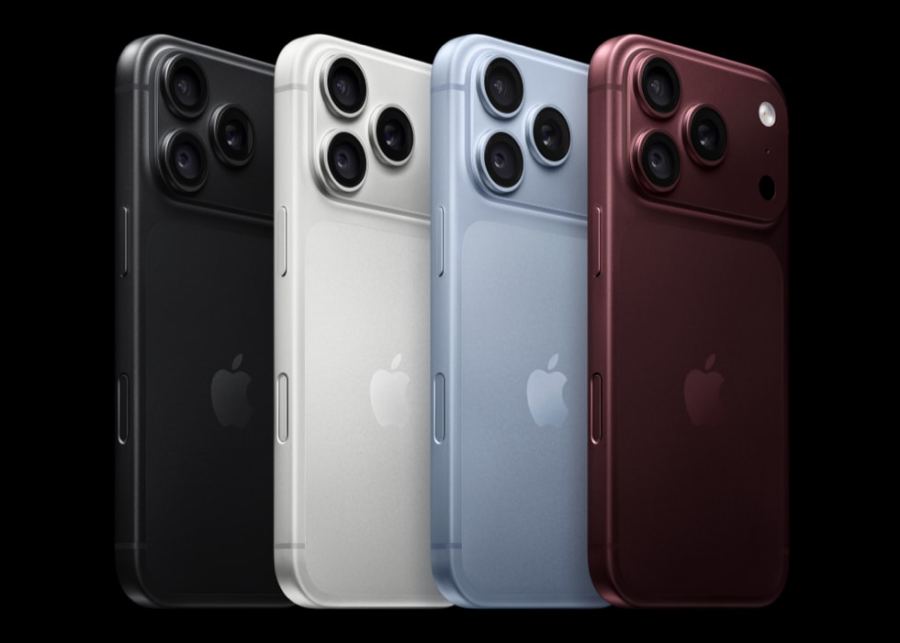
What the Order Cuts Actually Signal
Component-order reductions are not unusual in the weeks after an iPhone launch. Suppliers often receive initial forecasts that are later refined once real pre-order and early sales data arrive. What stands out this cycle is the timing and the explicit linkage to pricing. One executive-level source told Nikkei that October orders for both premium models were down 15 to 20 percent from the original plan. Different lead times mean not every supplier feels the cut immediately, and it remains unclear whether further adjustments will follow in November.
Analysts have noted shorter delivery waits in many markets, which, with stable supply, can indicate softer uptake rather than production constraints. Gene Munster of Deepwater Asset Management observed that lead times for the iPhone 18 Pro had fallen sharply while Pro Max waits held steadier, a pattern that can reflect buyers trading down or delaying upgrades. The absence of a base model this fall removes the volume cushion that historically absorbed some of the Pro models’ pricing power. When every new phone starts at four figures, the upgrade decision becomes more binary.
The Foldable Overlay
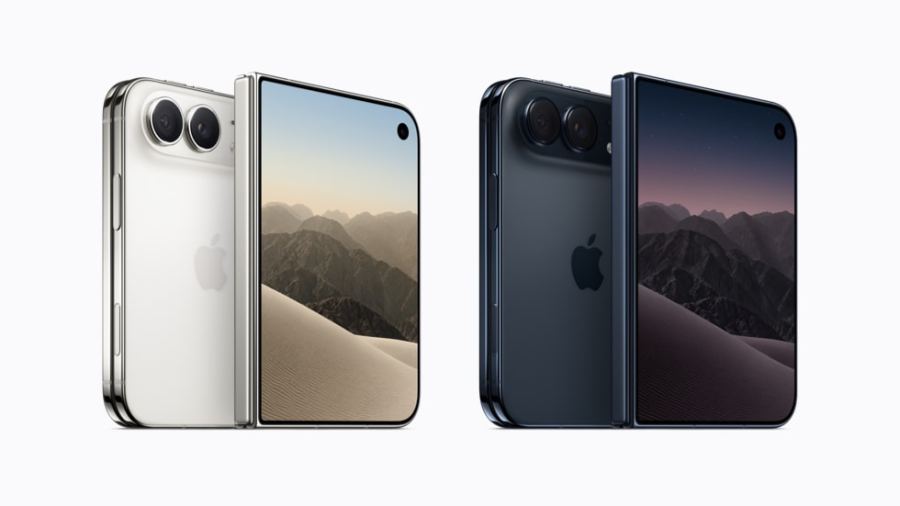
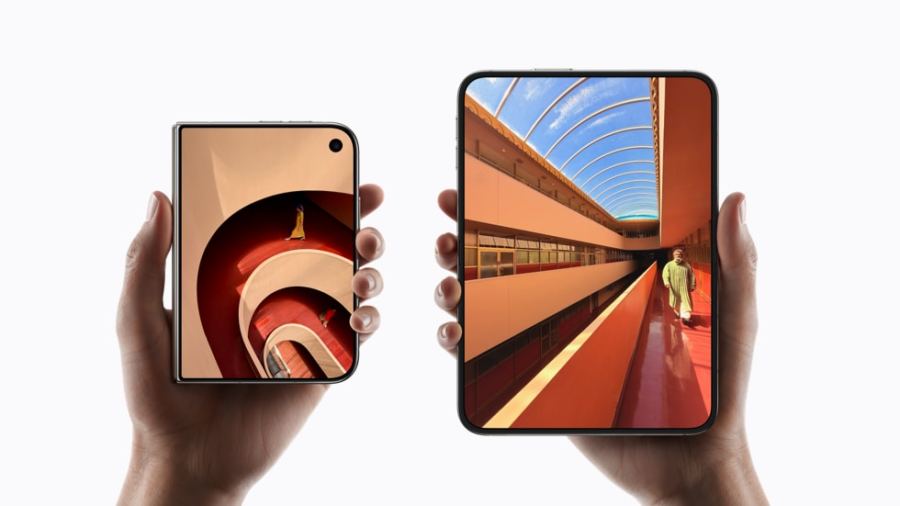
Apple’s iPhone Duo, the book-style foldable starting at $1,999, adds another layer. Pre-orders open October 16 and units begin shipping October 23. At that price the Duo is clearly a niche device, but it still competes for the same high-end wallet as the 18 Pro Max. Some supply-chain voices have already speculated that the Duo itself could see production adjustments after launch if demand proves limited. The device expands the addressable market with a larger inner display and multitasking capabilities, yet its thickness when closed and lack of a dedicated telephoto camera create clear trade-offs versus the Pro models.
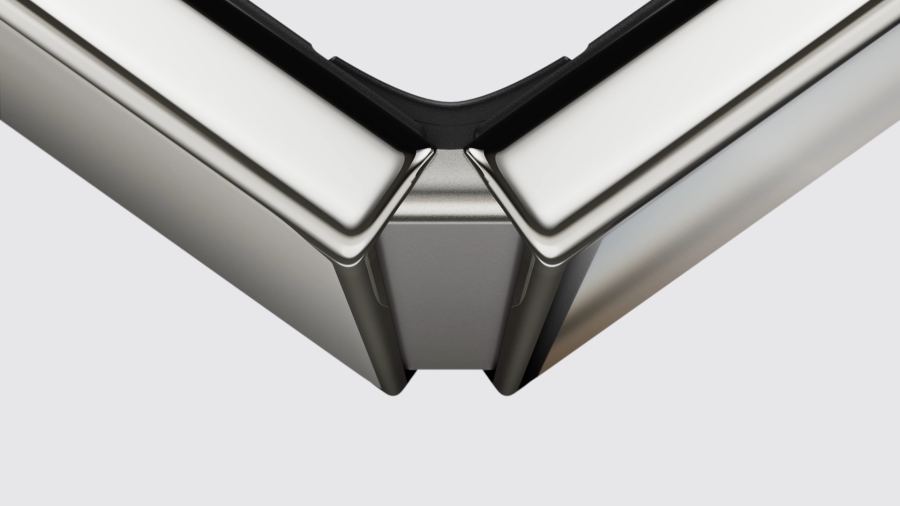
For Ternus, who spent years running hardware engineering, the Duo represents the most visible product bet of his early tenure. The hardware-software integration is the kind of problem he knows intimately: hinge durability, display continuity, and the software transitions that make opening and closing the device feel seamless. Early hands-on reports from the September event described the experience as impressive, with a subtle crease that is hard to notice at most angles. Whether that engineering polish translates into volume at nearly $2,000 remains the open question the order data is beginning to probe.
Leadership Context Under Ternus
The demand signals arrive amid early organizational moves. On October 8 Bloomberg reported that Steve Smith would replace Adrian Perica as head of mergers and acquisitions, with Smith reporting to CFO Kevan Parekh. Perica retains oversight of iCloud, Fitness+, and Apple News while reporting more directly to services chief Eddy Cue. Separately, Carson Oliver was promoted to vice president of the App Store after Phil Schiller stepped back from day-to-day responsibilities. These changes are modest on paper, yet they illustrate Ternus adjusting the structure he inherited.
Tim Cook, now executive chair, has publicly framed the transition as deliberate and years in the making. In an interview with The Independent he said he is not meddling in day-to-day operations and advised Ternus to “make it your own job” and “don’t mimic me.” Cook’s focus has shifted toward government relations and global policy, leaving product and organizational decisions to the new CEO. That separation is useful, but it also means Ternus owns both the product cycle that produced the price increases and the early market reaction to them.
Apple is also preparing a separate “Welcome home” product moment on October 13, expected to focus on smart-home devices including a display-equipped hub, an updated HomePod mini, and a refreshed Apple TV. Those announcements will not directly address iPhone volume, but they expand the services surface area that Cue’s organization oversees and that Oliver and Perica now help shape. A stronger home ecosystem can support higher device attachment rates over time, even if near-term iPhone upgrades slow.
Why the Split Launch Matters
Apple’s decision to withhold the base iPhone 18 until next spring is the structural change that most affects how to read the current order data. In previous cycles the standard model provided both volume and a lower entry price that made the Pro models look like clear upgrades. This year the comparison set is thinner. Buyers who might have chosen a $799 or $899 base phone now face either last year’s remaining models or the new Pros at higher prices. Some will wait; some will stretch for the Pro; some will simply hold their existing device longer.
Memory-cost inflation is real and industry-wide. Apple raised iPad and Mac prices earlier in the year for the same reason and has been transparent that it can no longer fully absorb the increases. The question for the iPhone is whether the incremental features—variable aperture on the main camera, longer battery life, the A20 Pro chip built on 2-nanometer process, and expanded Siri AI capabilities—justify the extra $100 for enough buyers. Early evidence suggests the answer is more qualified than in stronger upgrade years.
What to Watch Next
Several markers will clarify whether the October cuts are a one-time refinement or the start of a softer cycle. First, Apple’s fiscal Q4 earnings call, expected in early November with Ternus leading his first such event alongside CFO Parekh, will give management’s own framing of demand and the memory-cost environment. Second, actual Duo pre-order volume beginning October 16 will show whether the foldable attracts a distinct set of buyers or primarily draws from the same Pro Max pool. Third, any further supplier adjustments reported in November will indicate whether Apple is still revising forecasts downward.
On the product side, the October 13 home-focused announcements will test whether Ternus can generate new excitement outside the iPhone cycle. Longer term, the spring 2027 base-model launch will reveal whether the split schedule ultimately increases total iPhone volume or simply shifts it. For now, the combination of higher prices, a premium-only fall lineup, and early component-order reductions gives the first concrete data point on how the market is receiving Apple’s hardware under its new CEO. The engineering decisions that produced the 18 Pro and Duo were made under Ternus’s prior role; the commercial results are arriving under his name.
Apple has navigated component-cost spikes and competitive pressure before. The difference this time is the simultaneous leadership transition and the deliberate narrowing of the fall iPhone range. Soft demand on the new Pros does not by itself signal a broader problem, but it does require the company to demonstrate that the premium features and the new form factor can still expand the installed base and services attachment at the prices it has chosen. The next several weeks of sales data, the Duo launch, and the upcoming earnings call will show how well that balance holds.
Comments
0