
The foldable waited: what Apple’s split iPhone launch actually says
Apple already shipped the phones it was sure it could build. The one it spent years talking around is still on the calendar. iPhone 18 Pro and iPhone 18 Pro Max went on sale September 18, after a September 9 event at the Steve Jobs Theater that also introduced John Ternus as the executive running his first iPhone launch. iPhone Duo, the company’s first foldable, was on that same stage and is not in stores yet. Apple’s own release says pre-orders begin Friday, October 16, with availability Friday, October 23. That gap is the story, not a rumor leftover from spring.
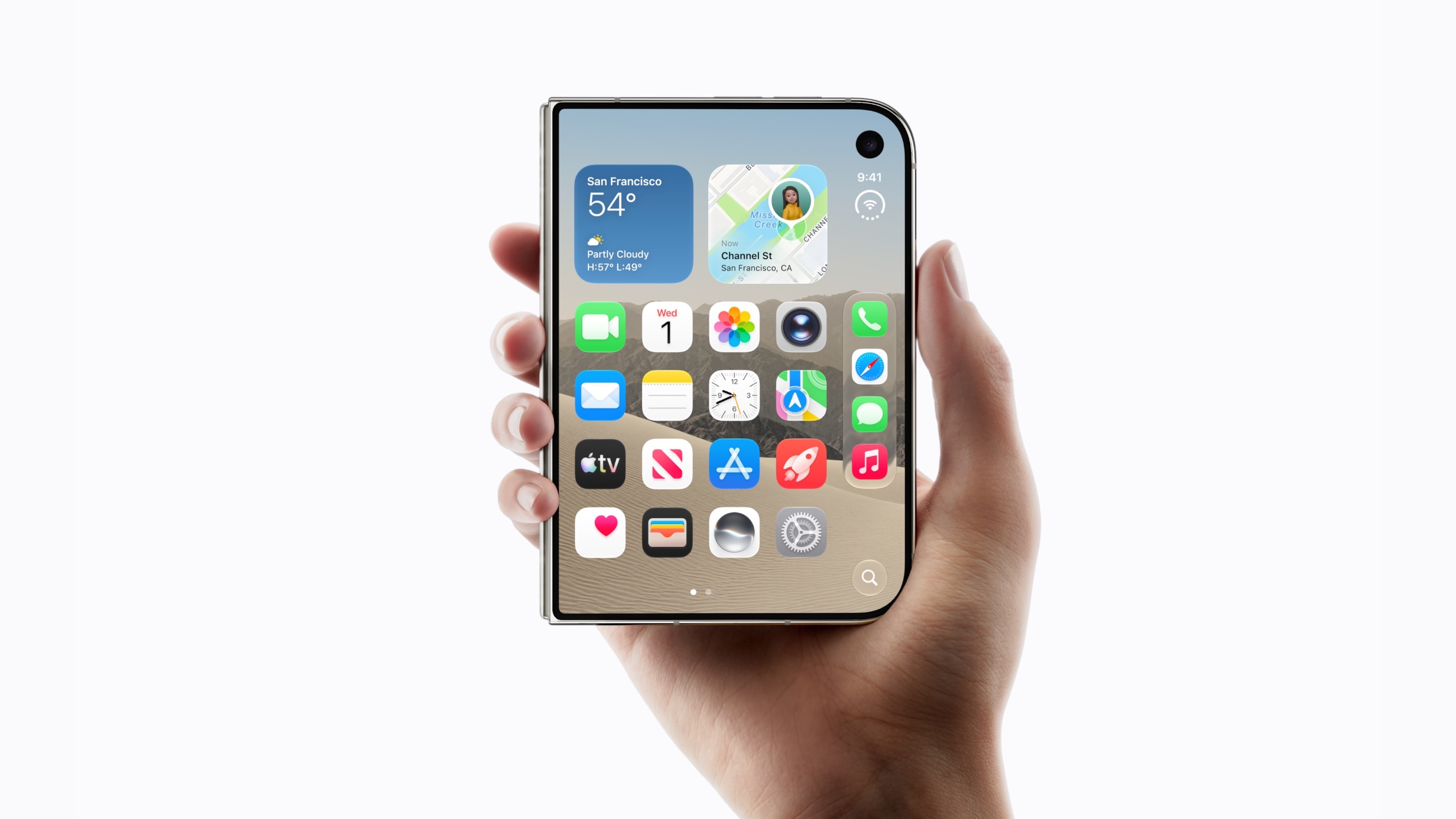
For most of 2026 the device traveled under the nickname iPhone Ultra. Supply-chain notes argued about a September unveiling versus a later ship date. Ming-Chi Kuo floated a fourth-quarter pre-order window. Mark Gurman had, earlier in the year, left room for the foldable to miss the Pro pair. Both things turned out to be partly right: Apple announced the phone with the Pros, then held the buy button. The official name is Duo, not Ultra. The official colors are star white and night sky, in polished grade 5 titanium. The official displays are a 7.6-inch inner panel and a 5.4-inch cover, sharing an aspect ratio so apps scale instead of letterboxing when the phone opens.
What actually shipped in September
The Pro pair is the conservative half of the lineup, and that is not an insult. Apple skipped a base iPhone 18 this fall and pushed the standard model, along with a second-generation iPhone Air, toward 2027 in the reporting that preceded the event. What buyers can hold today is a 6.3-inch Pro and a 6.9-inch Pro Max in black, silver, glacier, and burgundy. Wired’s event recap put U.S. pricing at $1,199 and $1,299. The chip is the A20 Pro, packaged so it can sit against a redesigned vapor chamber. Wireless charging is quoted as reaching 50 percent in about 15 minutes. Video playback claims land around 36 hours on the Pro and 45 hours on the Pro Max.
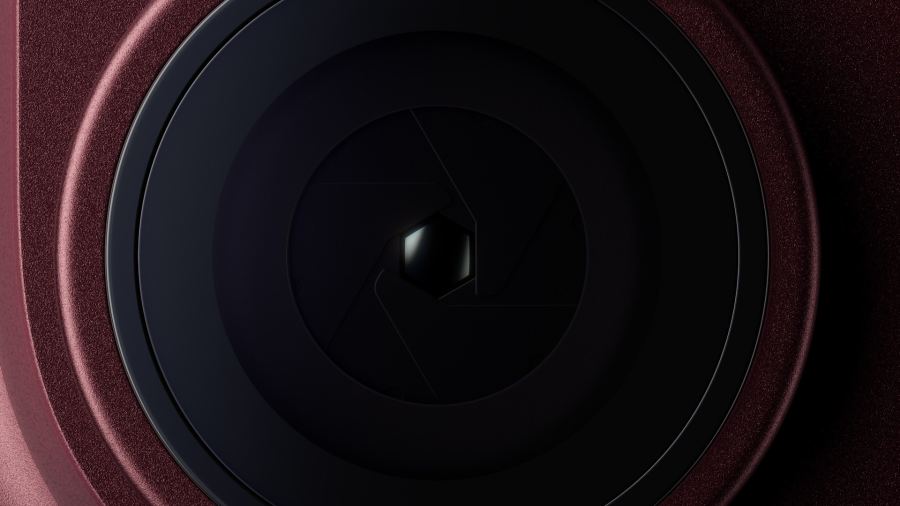
The camera change that matters is mechanical, not another megapixel boast. The 48MP Fusion main camera uses six laser-cut blades and a rotor to move between apertures, opening toward f/1.48 in low light and stopping down toward f/4 when a group needs depth. Apple also shipped Apple Reference Image, a mode that signs sensor data so a photo can be checked against an unaltered reference. Final Cut Camera gained variable-aperture support later in September. None of that is foldable theater. It is Apple doing the Pro job it already knows how to sell.
A smaller Dynamic Island and faster charging will not reset the category. They do explain why the Pro models could hit a normal Friday release while Duo could not. Variable aperture is a refined camera module. A book-style hinge that has to survive pockets, drops, and a crease people will photograph on day one is a new factory problem. Apple has delayed new form factors before. iPhone X was announced with iPhone 8 and arrived weeks later. Duo’s delay is shorter than that one, but the pattern is the same: announce the family, ship the known product, meter the risky one.
What Duo is, once the rumor name is dropped
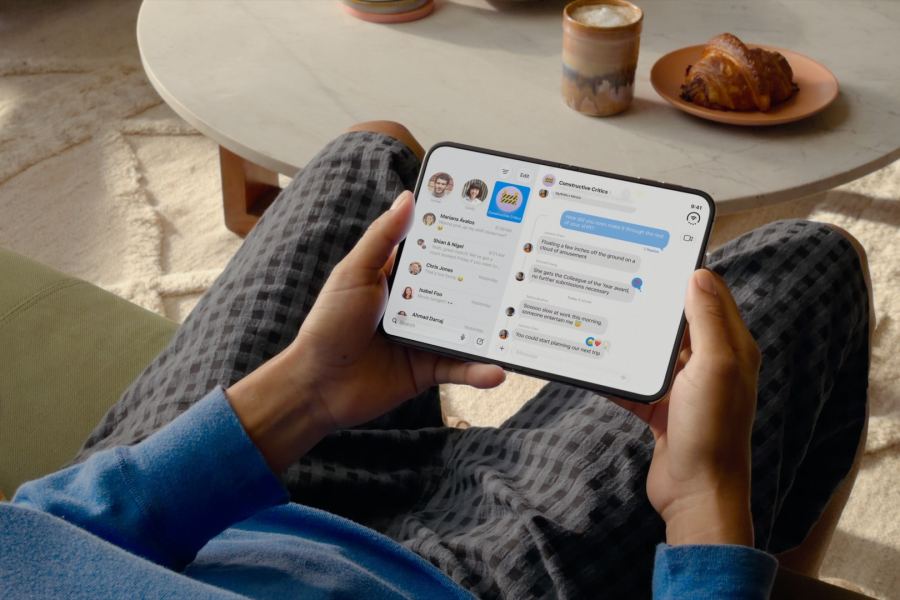
Opened, Duo is the thinnest iPhone Apple has made, with an inner Super Retina XDR display Apple describes as about 50 percent larger than the 18 Pro Max. A nano-texture finish is there to cut glare and make the crease less obvious. Closed, the 5.4-inch cover is meant to feel like a compact phone rather than a slab you tolerate until you unfold. Both screens keep the same aspect ratio, which is the software bet: continuity instead of a second UI that only exists when the hinge is flat.
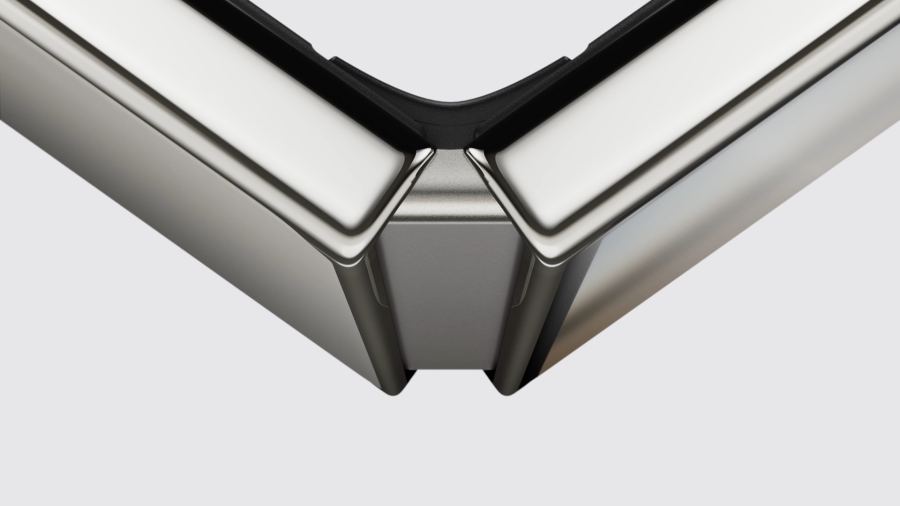
The hinge is the part Apple spent stage time on, and it is the part that will decide reviews. A precision mechanism is supposed to feel even through the travel, hide the mechanism, and keep the panels aligned after thousands of cycles. Early tester notes that circulated this week, including Bloomberg reporting summarized on October 6, were warmer on fit and software than on the camera stack. Some of those notes still described a dual-48MP rear system without a dedicated telephoto. Apple’s newsroom page, by contrast, includes a 2x telephoto asset alongside the Fusion main and ultra-wide. Treat the “no telephoto” line as unresolved until hands-on units land. What is settled is that Duo is not a four-camera Pro clone. Folded thickness and hinge volume ate the budget that a periscope would have used.
Pricing was the other open number heading into October. Pre-event rumors clustered near $2,000. Apple has not made a cheap foldable argument, and it did not need to: the Pro Max already sits at $1,299, so Duo only has to justify a premium over that, not over a $799 base phone that is not on sale this fall. Until the October 16 product page locks a number, any dollar figure is still a rumor. The schedule is not.
Why the split matters more than the spec sheet
Ternus took the CEO job on September 1, eight days before the event. He inherited the roadmap. Hardware engineering had owned Duo, the Watch refresh, and AirPods 5 for years. His first keynote still framed the iPhone as the ideal AI device, then pointed at the phones on stage rather than a new puck or glasses. That line landed because Siri AI had just shipped with the September software updates, including iOS 27, after a long wait. The foldable is the hardware proof that the new CEO’s first season is about finishing old bets, not inventing a post-phone category on day one.
A split launch also protects the quarter. Pro and Pro Max are in the channel now. Duo pre-orders, if they hold, land inside the same holiday window without forcing Apple to pretend yield is solved. If the October 16 page slips, the September event starts to look like a trailer. If it holds, Apple gets the narrative it wanted in June: announced with the Pros, sold when the line can build it. Samsung has lived with that tension for years on the Z Fold. Apple’s version is shorter, and the brand cost of a visible crease or a gritty hinge is higher.
There is a second, quieter product story from the same event that just got a public grade. On October 6, iFixit tore down Apple Watch Series 12 and Ultra 4. Series 12 gained stretch-release adhesive and a pull tab on a 1.461 Wh cell, up from 1.403 Wh in the 46mm Series 11, and scored 4/10, a one-point bump. Ultra 4’s 2.444 Wh cell is larger than the Ultra 3’s 2.313 Wh, and the score stayed 4/10 because the display still has to come off to reach the battery. Four bottom screws open the sensor assembly and the S11, not a serviceable pack. Google’s Pixel Watch 5 scored 9/10 in the same comparison, with a display that lifts on two screws. Health features moved. Repair did not, except at the margin. That is useful context for Duo: a new hinge is another sealed assembly until someone proves otherwise.
What to watch between now and October 23
Three checks matter more than another leak roundup. First, the October 16 pre-order page: price, storage steps, and whether star white and night sky both ship on day one. A color or capacity listed as “later” is a yield signal. Second, ship estimates after the first hour. A four-to-six-week slip would match the old iPhone X pattern and would mean the October 23 in-store date is for a thin allocation, not a real launch. Third, the camera argument. If review units show a real 2x crop from the main sensor and no longer optic, the telephoto debate ends in Apple’s favor on paper and in reviewers’ disfavor in practice. If a dedicated telephoto is present, the October 6 tester notes were early or wrong.
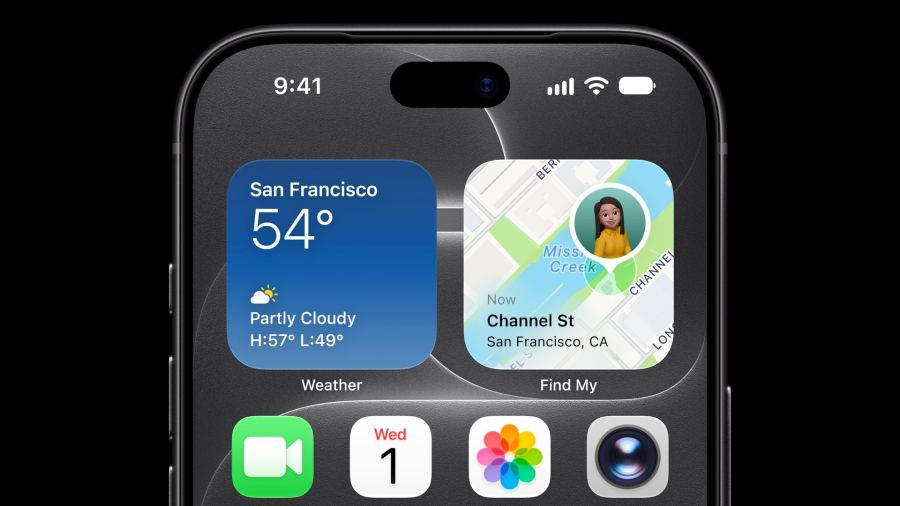
Software is the other live question. Duo’s pitch is that iOS already knows how to be two sizes of the same phone. That only works if Mail, Messages, and third-party apps use the inner display as a workspace rather than a magnified phone. Multitasking frames in Apple’s own assets show split conversations. The App Store will tell the truth in the first week: either developers treat the inner panel as an iPad-class canvas, or they ship scaled phone layouts and Duo becomes a very expensive cover-screen device that happens to open.
None of this requires treating rumor blogs and the newsroom as the same source. The September 9 event made Duo, the 18 Pro pair, Watch Series 12, Ultra 4, and AirPods 5 official. The Pro phones and the watches are in buyers’ hands. Duo is official hardware with a future ship date. The sensible read, nine days before pre-orders, is that Apple would rather be late on a hinge than early on a crease. The October 16 page is where that bet either closes or slips again.
Comments
0