
Apple Faces $5.7 Billion Hit Over Taptic Engine Patents: What the Verdict Means
A federal jury in San Diego has ordered Apple to pay $5.7 billion in damages to Taction Technology after finding that the company infringed two patents related to haptic feedback technology used in the Taptic Engine. The ruling, reported over the weekend, marks one of the largest patent verdicts against Apple in recent years and highlights ongoing risks in the smartphone and wearable supply chain.
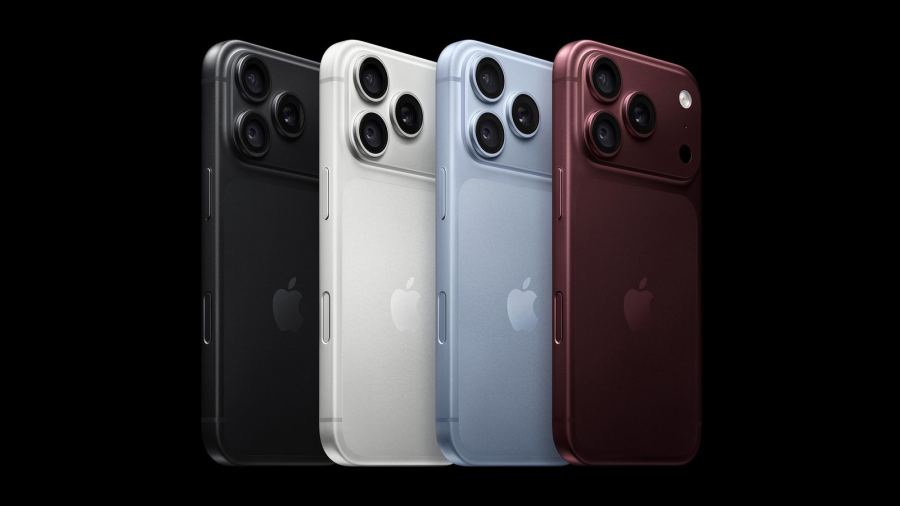
Taction Technology sued Apple in 2021, alleging that the vibration systems in iPhones and Apple Watches improperly used its inventions without a license. After an earlier dismissal was overturned on appeal, the case reached trial this month. The jury determined infringement occurred but did not find it willful, which limited the potential for enhanced damages.
Why This Matters Now
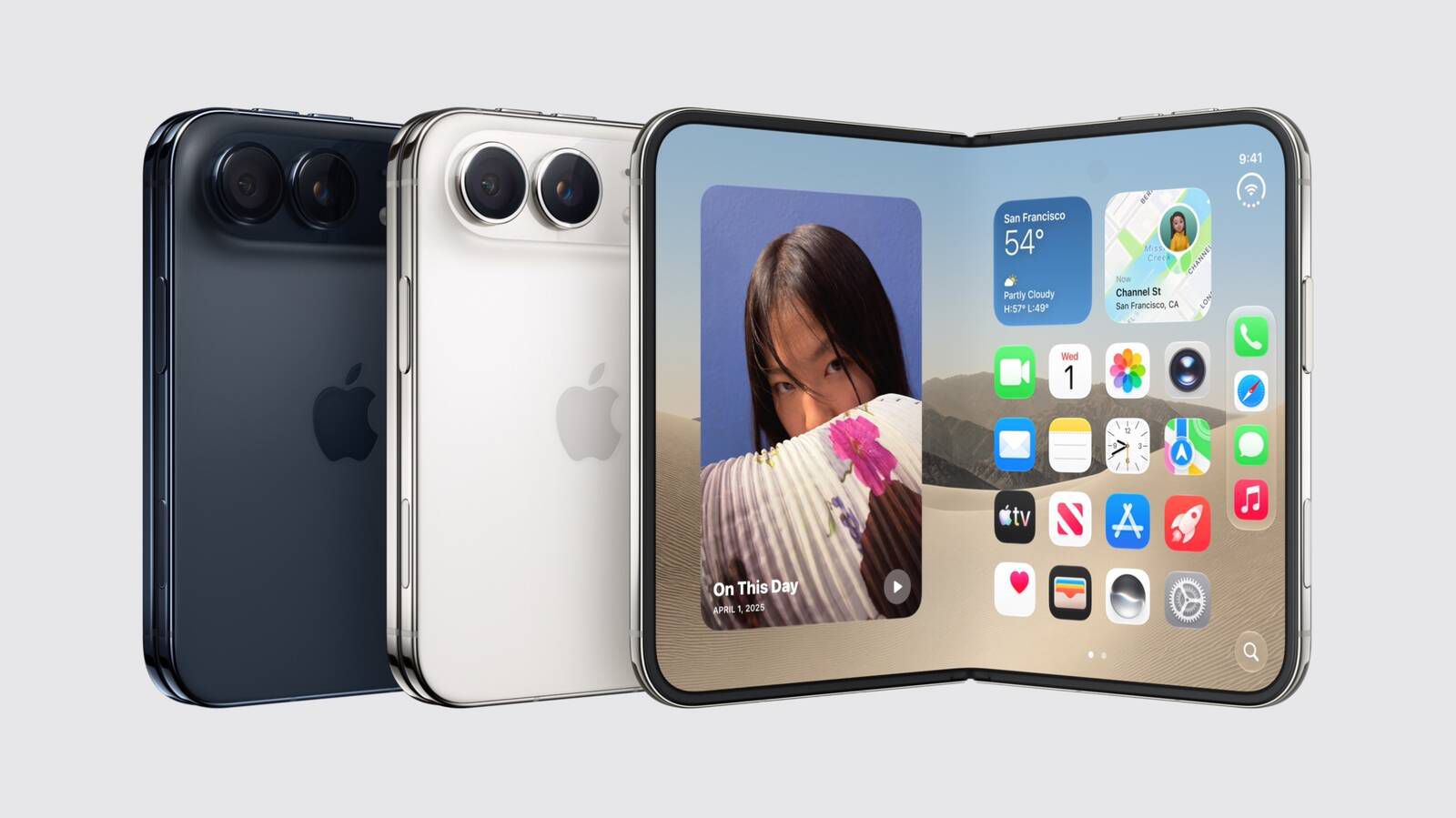
The timing is notable. Apple is still rolling out its latest hardware generation, including the iPhone 18 Pro series and the upcoming iPhone Duo foldable. The Taptic Engine remains a core differentiator for the user experience across these devices, providing the precise taps and vibrations that make interactions feel premium. A multimillion-dollar judgment of this scale can influence how Apple approaches future licensing negotiations and patent strategy.
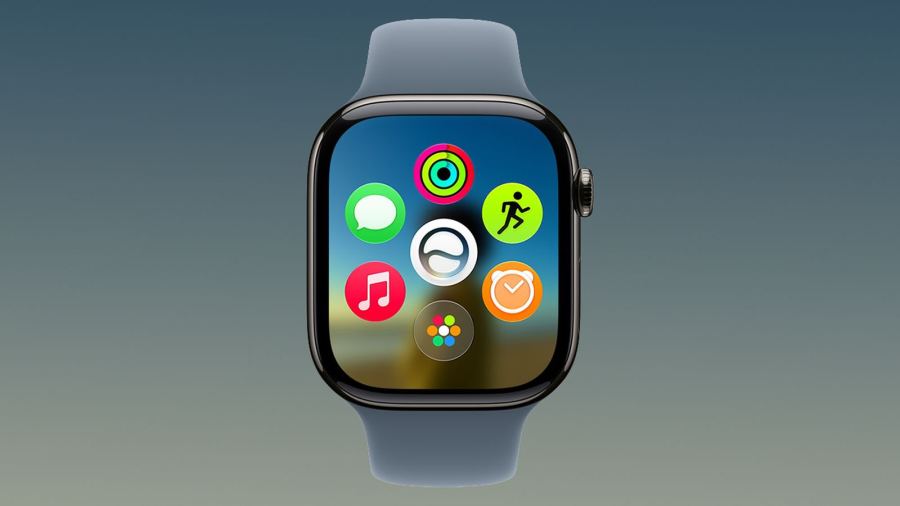
Apple has already stated it will appeal the decision. Patent cases of this magnitude often take years to fully resolve through appeals courts, and settlements or reduced awards are common outcomes. Still, the headline number creates short-term pressure on investor sentiment and raises questions about whether other haptic-related claims could surface.
Broader Context for Apple's Hardware Roadmap
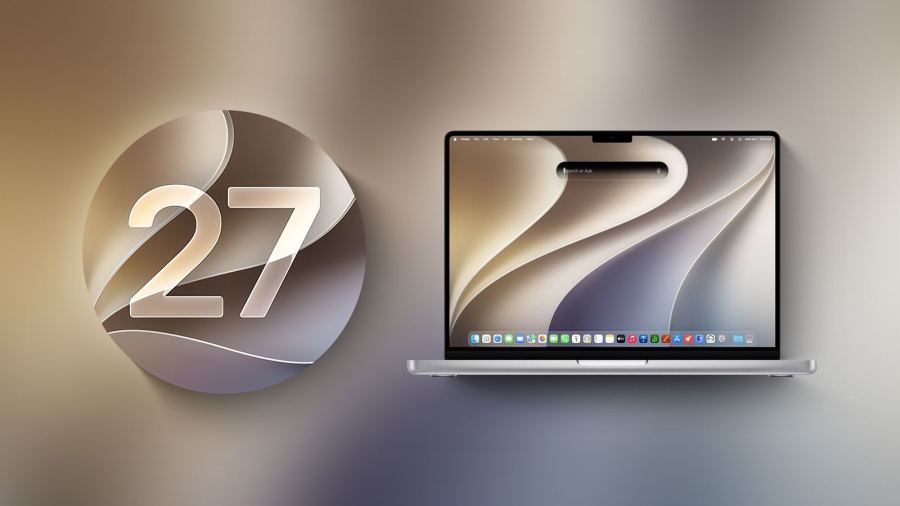
While the verdict focuses on existing technology, it arrives as Apple expands software support for its newest watches and prepares for the October launch of the iPhone Duo. Recent point releases such as watchOS 27.0.1 and macOS Golden Gate 27.0.1 show the company is actively polishing the current generation. Any long-term redesign of haptic components would likely appear in future hardware cycles rather than immediate revisions.
For consumers, day-to-day use of current devices remains unaffected. The Taptic Engine continues to deliver the familiar feedback in notifications, typing, and system interactions. The real impact, if any, will play out in courtrooms and boardrooms over the coming months and years.
What to Watch Next
Apple's appeal process will be the immediate next chapter. Analysts will also monitor whether the company accelerates work on alternative haptic solutions or seeks broader cross-licensing deals. Meanwhile, the focus for most users stays on the product pipeline: iPhone Duo pre-orders open in mid-October, and further software refinements are expected before the holiday season.
The $5.7 billion figure is striking, but history shows these cases rarely end with a simple check transfer. The real story is how Apple balances innovation, intellectual property defense, and continued product momentum in a highly competitive market.
Comments
0