
Three Weeks Into the Ternus Era: What the iPhone 18 Pro and Duo Launch Reveals About Apple’s Next Chapter
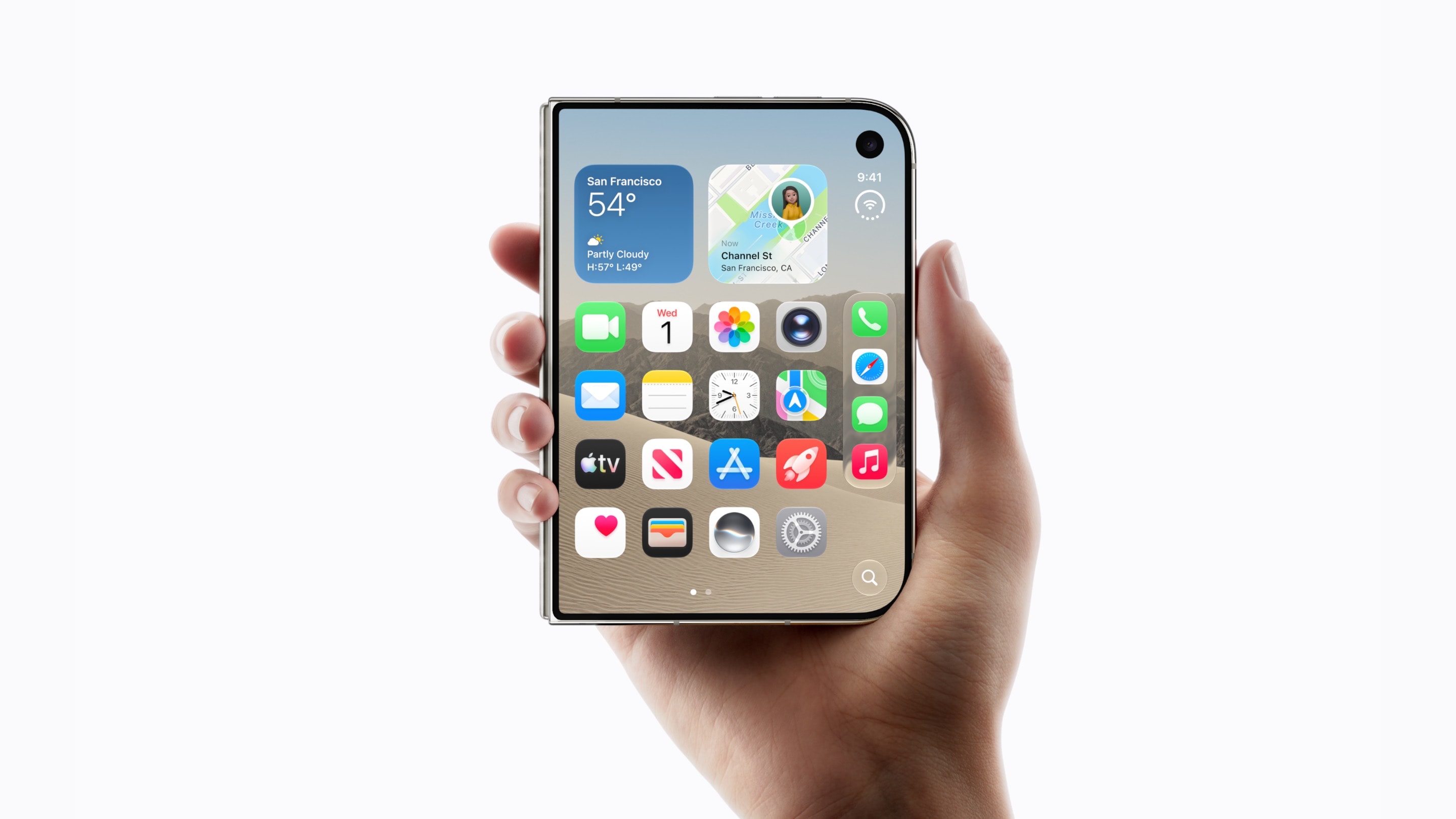
John Ternus stepped onto the Steve Jobs Theater stage on September 9 as Apple’s new CEO and delivered a product slate that mixed refinement with genuine disruption. Nearly three weeks later, the iPhone 18 Pro and Pro Max are in customers’ hands, AirPods 5 and the new Watches are shipping, and the foldable iPhone Duo is still weeks away from pre-orders. The early picture is clearer than the usual post-event fog.
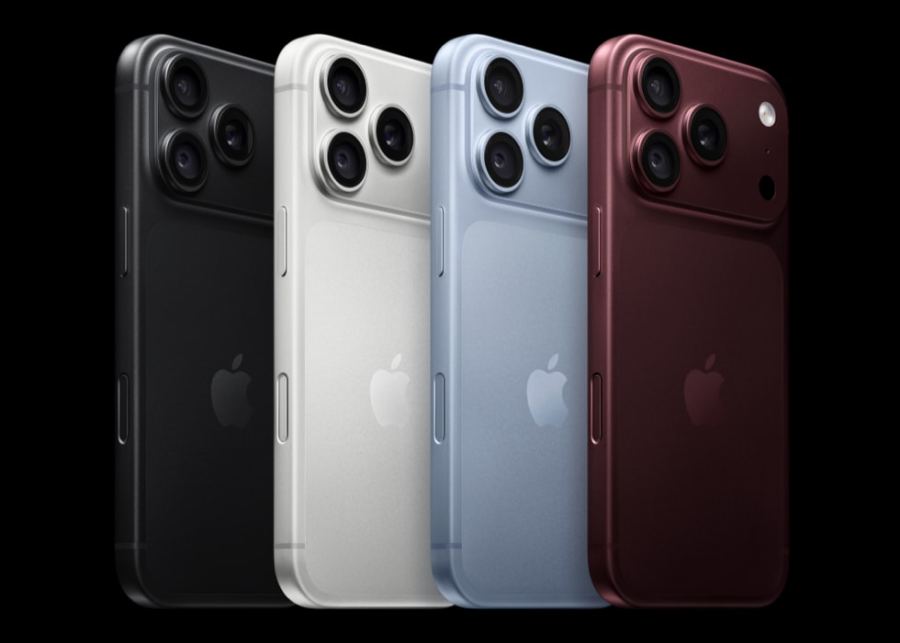
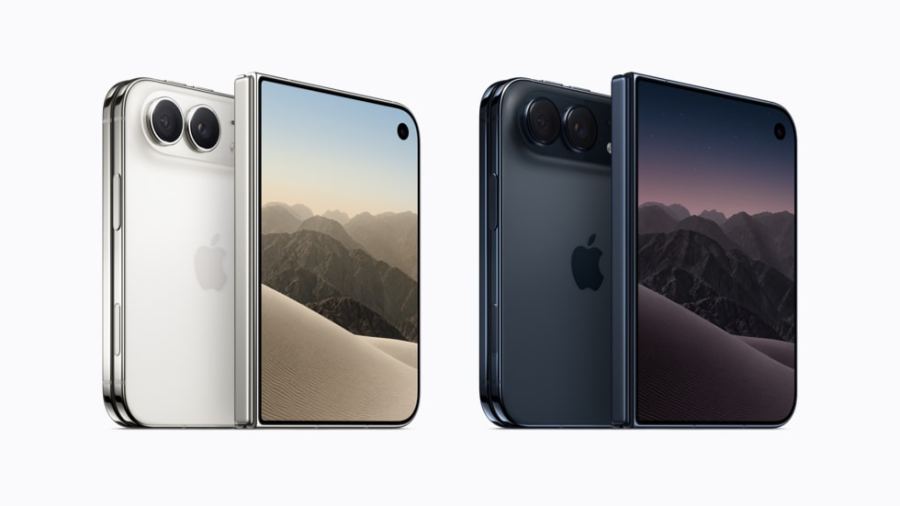
What happened is straightforward. Apple raised the starting price of its Pro phones by $100, introduced a mechanical variable aperture on the main camera, moved to a 2-nanometer A20 Pro chip, and finally entered the foldable market with a passport-sized device that opens to a 7.6-inch canvas. At the same time, the company shipped a more capable Health Sensing System on the Watch Series 12 and Ultra 4, and brought active noise cancellation to the open-ear AirPods 5 at $129.
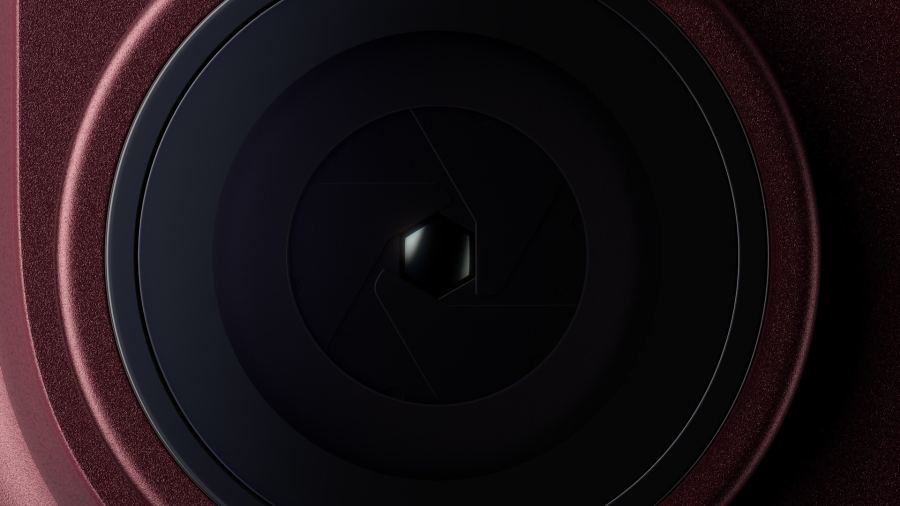
The price increase was the least surprising part of the announcement. Memory and storage costs have been elevated for months, and Apple had already adjusted Mac and iPad pricing earlier in the year. The $1,199 and $1,299 starting points for Pro and Pro Max sit in line with that reality. What stands out more is the camera hardware. A set of laser-cut blades that physically change aperture is a first for any iPhone, and early reviews suggest it delivers depth-of-field control that computational methods alone could not match.
On the software side, iOS 27 arrived on schedule on September 14 with Siri AI in beta. The assistant is more capable, yet usage caps and a forthcoming paid tier have already drawn attention. Separately, a subset of iPhone 18 Pro owners reported Face ID freezes and reboots when authenticating into protected apps. Apple has confirmed a software fix is in testing and is expected early next week. Most units appear unaffected, but the episode is a reminder that moving infrared components under the display is not risk-free.
Why it matters goes beyond the usual product cycle. This is the first major hardware launch under Ternus. The decision to lead with a foldable rather than a radical redesign of the slab phone signals confidence that the core iPhone form factor still has years of incremental improvement left, while the Duo tests whether Apple can make a foldable feel like an iPhone rather than two phones stuck together. At $1,999 starting price and an October 23 ship date, the Duo is clearly positioned as a premium experiment rather than a volume play.
The Taptic Engine patent verdict of $5.7 billion, handed down late last week, is a separate but related note. Apple has said it will appeal and maintains its technology is fundamentally different. Even if the award is reduced or overturned, the case underscores how long-running component litigation can surface years after a product ships.
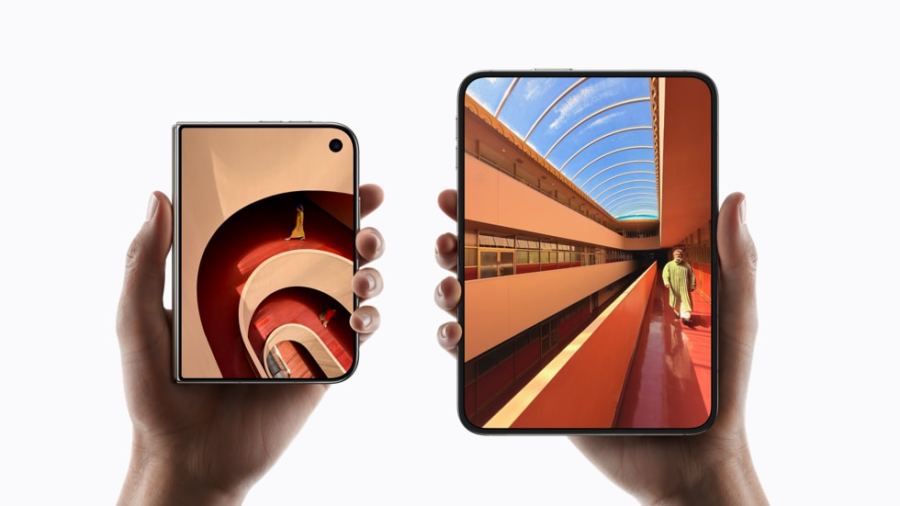
What to watch next is practical. Pre-orders for the Duo open October 16. The first software update addressing the Face ID issue should land within days. Early battery and thermal data on the A20 Pro will accumulate as more review units cycle through sustained workloads. And the market will begin to show whether the $100 Pro price step and the $1,999 foldable are absorbed without meaningful volume impact.
Three weeks in, the Ternus era looks less like a clean break and more like a controlled expansion of the same engineering culture that produced the last decade of iPhones. The products are shipping. The bugs are being patched. The real test is still the one that always matters at Apple: whether customers decide the new hardware is worth the new price.
Comments
0