
Why Apple’s Foldable Debut Arrives Just as the Pro Line Finds Its Rhythm
Apple opened pre-orders for the iPhone Duo on October 16, 2026, giving customers their first chance to order the company’s inaugural foldable smartphone. The timing is deliberate. The iPhone 18 Pro and Pro Max have been available since mid-September, and the Duo’s later window lets Apple gauge early demand for the conventional Pro models while introducing a form factor that has been years in the making.
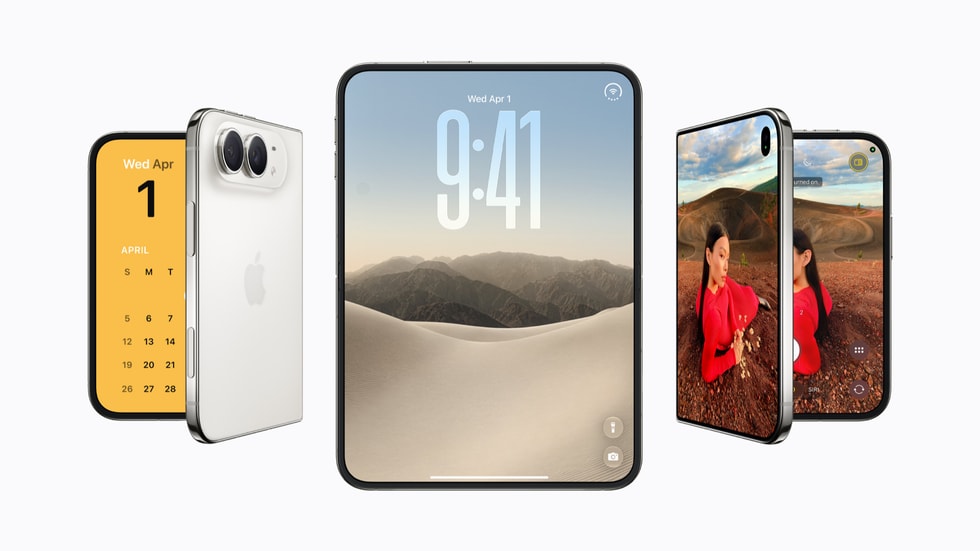
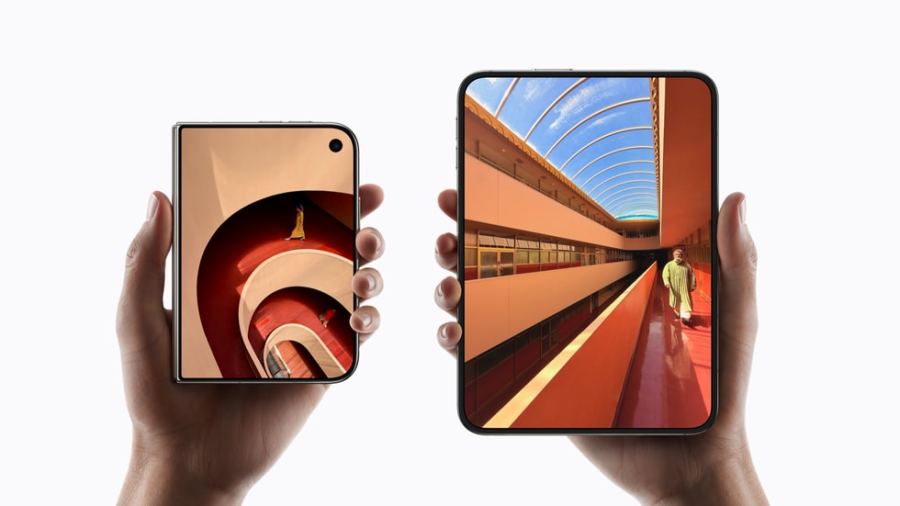
This is not a mid-cycle refresh. It is the first time Apple has offered a folding iPhone, and the company has positioned the device as both familiar and new. Closed, it delivers roughly 90 percent of the screen area of the iPhone 18 Pro in a pocketable package. Opened, the inner display is 50 percent larger than the one on the Pro Max and becomes the largest screen Apple has ever put on an iPhone. The hinge is described as precision-engineered for a smooth feel, and the overall construction emphasizes durability alongside the thinness achieved when the device is open.
What the Duo Actually Changes
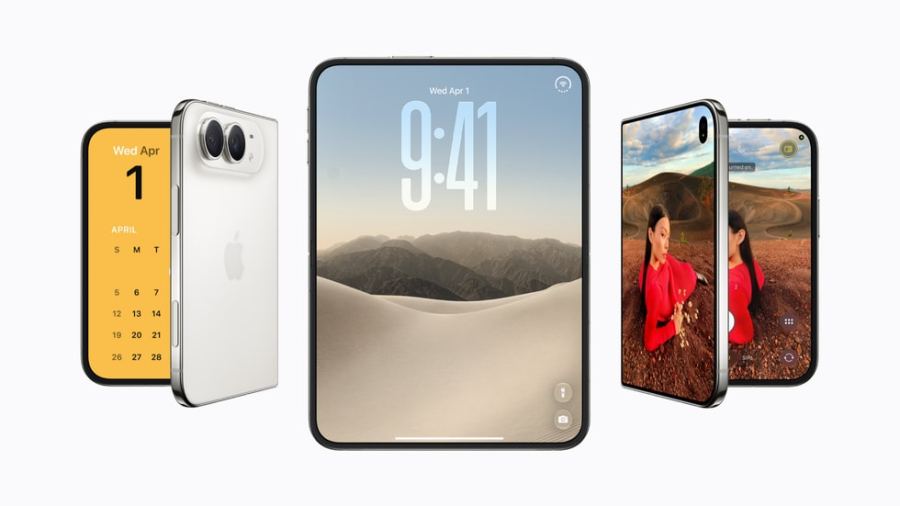
The hardware under the hood is shared with the Pro models in important ways. Both lines run on the A20 Pro, Apple’s first 2-nanometer chip, paired with a next-generation vapor chamber for sustained performance. The Duo adds a dual-battery architecture intended to support all-day use despite the folding design. Camera features include a 48MP Fusion Main sensor with an integrated optical-quality 2x Telephoto, a 48MP Ultra Wide, and a Center Stage front camera that works in either orientation. A second front camera sits under the inner display for FaceTime when the device is open.
Software is where the form factor creates the most visible differences. iOS 27 adapts as the device folds or rotates. Split View multitasking becomes practical on the large inner screen, and StandBy mode works on either display even when the phone is not charging. Siri AI, rolling out in beta, can remain open alongside an app so users can ask about on-screen content without leaving their current task. These adjustments are incremental for users who already know iOS, yet they address the core complaint about earlier foldables: that the software never quite matched the hardware promise.
The September Pro Line as Context
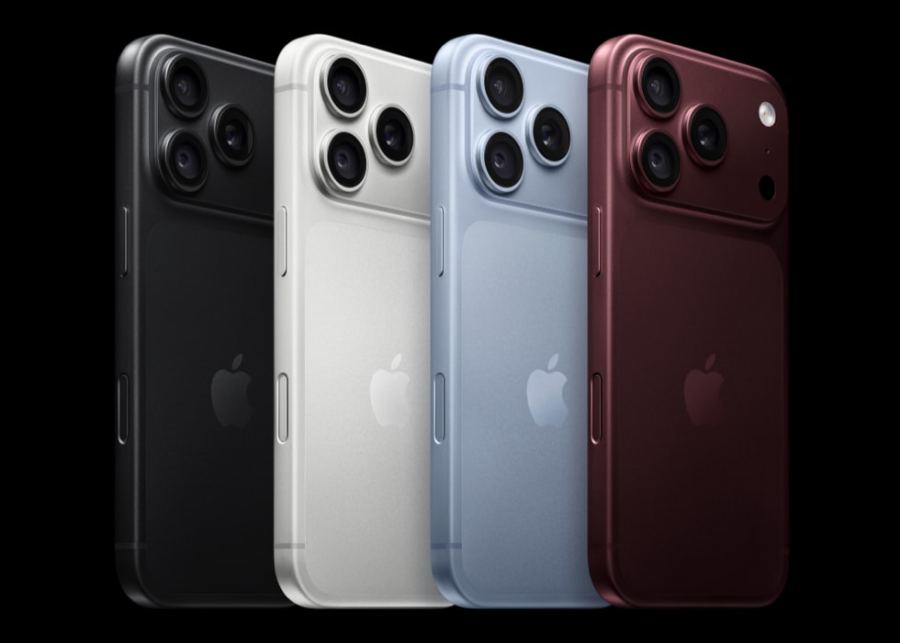
The iPhone 18 Pro and Pro Max arrived on September 9 with a variable-aperture main camera, a smaller Dynamic Island that can show three Live Activities, and battery life gains that Apple called the largest generational jump yet on the Pro Max. Prices start at $1,199 and $1,299 respectively, a $100 increase over the prior generation. Pre-orders opened on a Saturday to avoid September 11, and early reports noted that shipping delays developed more slowly than in recent years. Some analysts attributed the quieter start to higher prices, the Saturday timing, and buyers waiting to see the Duo. Others pointed to solid lead times within a few days as evidence of healthy demand once the initial weekend passed.
That mixed early picture matters for the Duo. Apple has never previously split its fall iPhone announcement into a Pro-only event followed by a foldable weeks later. The approach reduces the risk of inventory confusion and gives the company time to message the Duo as a distinct product rather than a replacement for the Pro models. It also lets the Pro line establish its camera and performance story before the conversation shifts to folding screens.
Creative Proof Points and Broader Timing
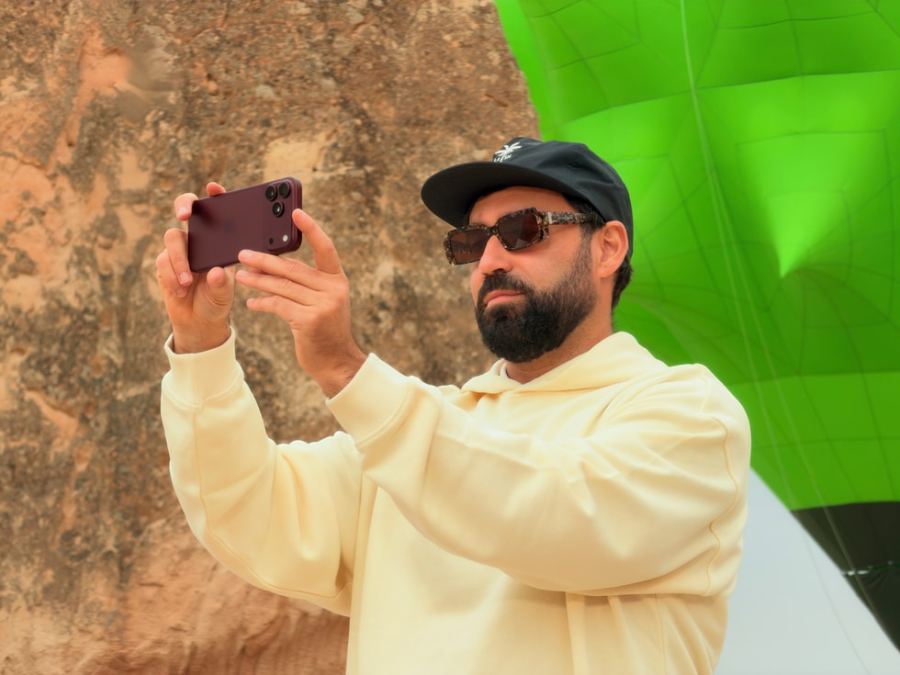
Just days before Duo pre-orders began, Apple published a Newsroom feature on a fashion show in Cappadocia. Designer Bünyamin Aydın of Les Benjamins used an iPad Pro and Apple Pencil Pro to design custom hot-air balloons and organize the collection, then worked with filmmaker Neels Castillon, who shot the entire production on iPhone 18 Pro Max. Drones carried pairs of the phones to capture the neon balloons against the rock formations, and the production used 4K 120 fps and ProRes RAW. The story is typical of Apple’s “shot on iPhone” campaigns, yet its proximity to the Duo launch is useful. It shows the Pro Max already in professional hands while the company prepares to sell a device whose large inner display is aimed at content consumption and multitasking rather than pure capture.
Meanwhile, regulatory news has continued in parallel. Reports indicate Apple plans to bring a limited version of Apple Intelligence to mainland China in December via an iOS 27.3 update, without Siri AI and without some of the newer image-generation tools. Tim Cook, now executive chairman, has confirmed that a test version of certain features is expected later in October. The China timeline is independent of the Duo hardware launch, but it underscores how Apple is still managing regional differences in its AI rollout even as it introduces new hardware.
What to Watch Next
Pre-order behavior for the Duo will be the clearest near-term signal. Because the device is entirely new, there is no direct year-over-year comparison. Early shipping estimates, store pickup availability, and any carrier promotions will indicate whether buyers treat the foldable as a must-have or as a wait-and-see product. The Pro models’ September performance provides a baseline: demand was sufficient to push many configurations into October delivery windows, but not so intense that launch-day stock disappeared within minutes.
Beyond the first week, attention will turn to real-world durability reports, software refinements in subsequent iOS 27 updates, and how the Duo’s large screen changes daily use for productivity and media. Apple has also scheduled its fiscal fourth-quarter earnings call for November 2, the first led by CEO John Ternus. Investors will likely ask about the Duo’s contribution to the holiday quarter and about the broader product cadence that now includes a spring window for the base iPhone 18 models.
The foldable debut does not rewrite Apple’s strategy overnight. It extends the same A20 Pro platform and Apple Intelligence direction into a new shape while the Pro line continues to anchor the high end. The next several weeks will show whether that combination is enough to make the Duo feel essential rather than merely novel.
Comments
0