
The Fold That Changes Everything: Inside Apple’s High-Stakes iPhone Duo Launch Under New CEO John Ternus
Apple does not do half-measures on form factors, and the iPhone Duo is the clearest proof yet. Announced September 9 by newly minted CEO John Ternus and launching October 23, the company’s first foldable arrives more than a decade after Samsung popularized the book-style design and after years of Apple quietly patenting hinges and flexible OLED. Pre-orders opened October 16 and vanished within minutes for launch-day delivery; most remaining stock now points to January 2027. That combination of deliberate delay, extreme demand, and constrained supply is the story of the Ternus era in miniature.
What Actually Happened
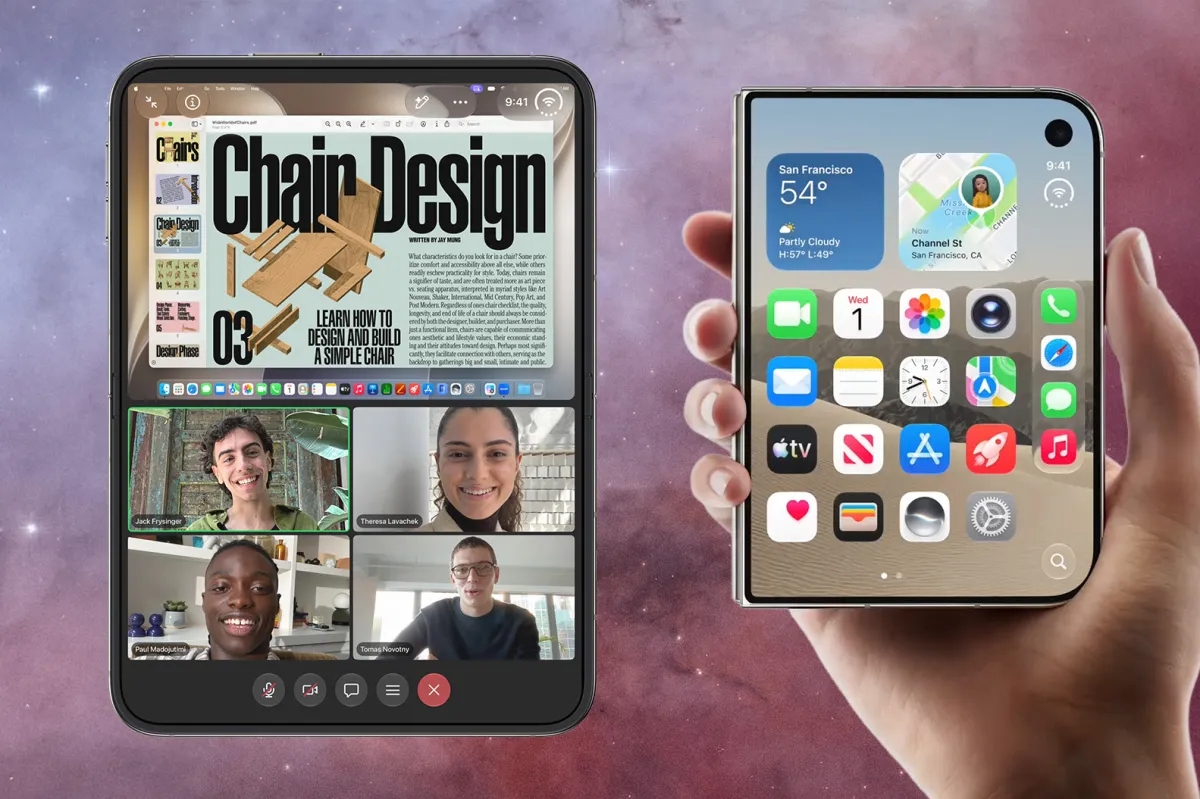
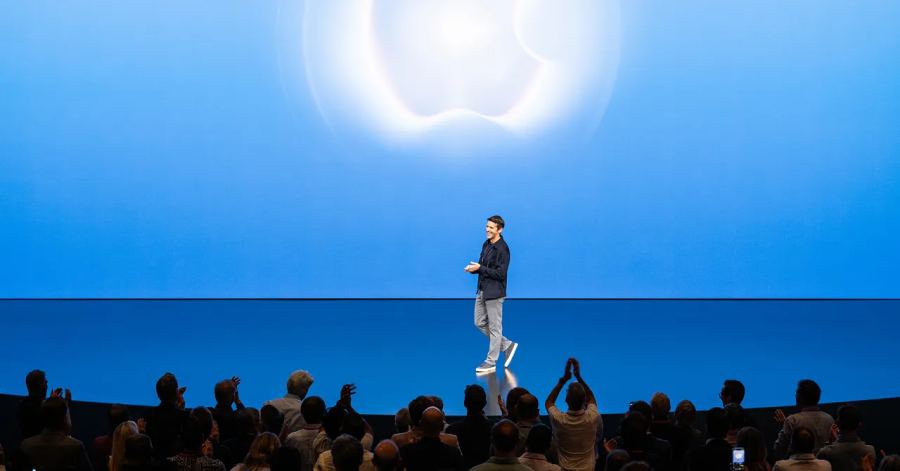
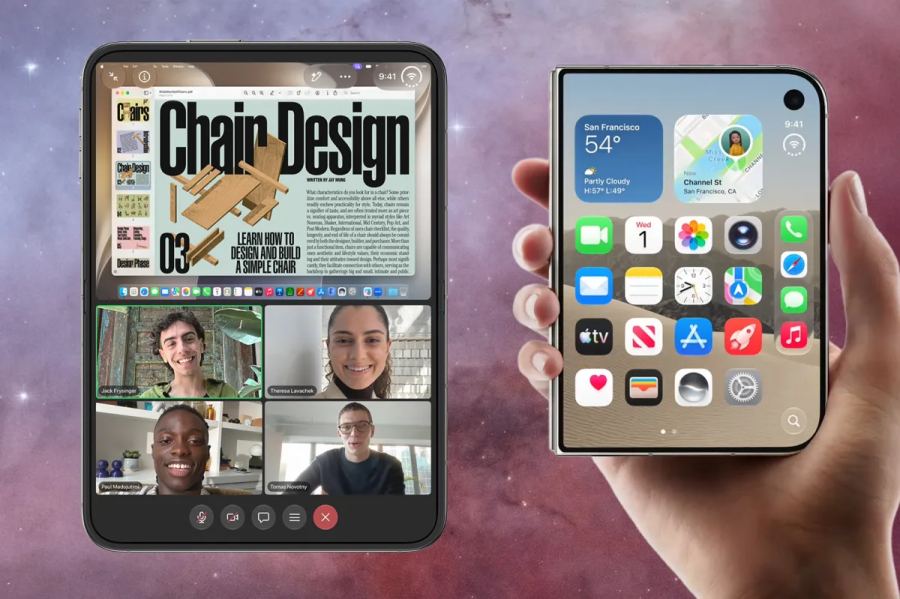
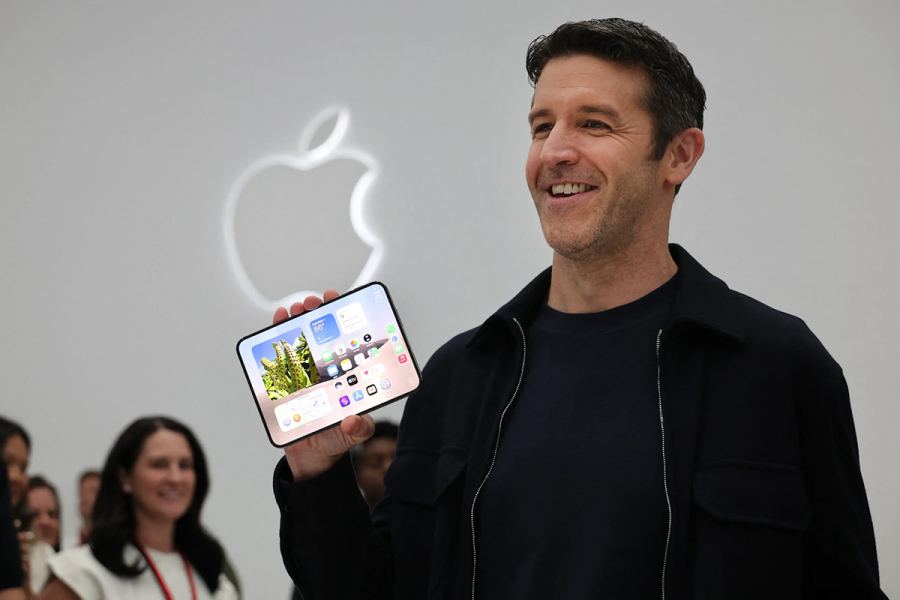
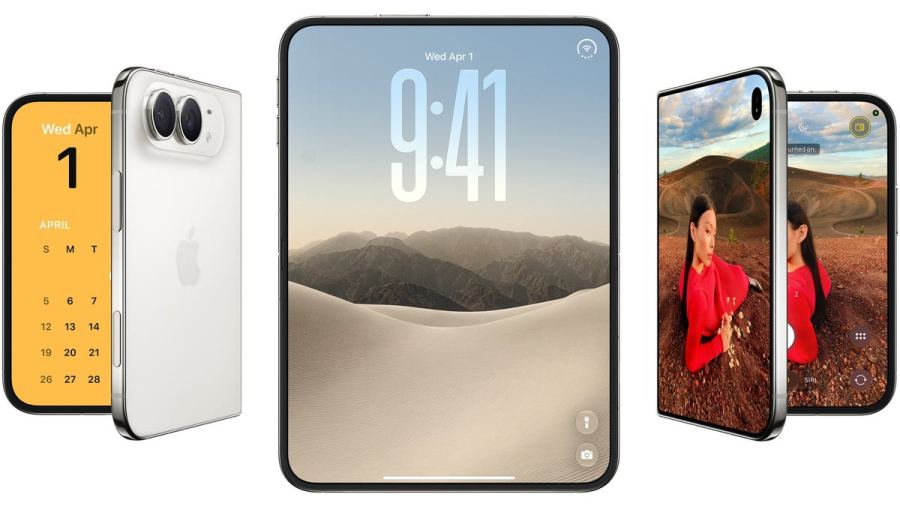
On September 9 Ternus took the Steve Jobs Theater stage for his first major product event and closed with the classic “one more thing.” The Duo is a titanium, passport-sized device when closed (5.4-inch outer Super Retina XDR) that opens into a 7.6-inch inner display—Apple claims the largest ever on an iPhone and 50 percent larger than the iPhone 18 Pro Max. Both screens share the same aspect ratio so content scales cleanly. The inner panel uses a nano-texture finish and multi-layer lamination designed to keep the crease nearly invisible to the touch; Apple says the hinge contains more than 100 precision components and holds the display flat when open. There is no Face ID; Touch ID lives in the side button so authentication works whether the phone is open or closed. The camera system is dual 48 MP Fusion (main + ultra-wide) with optical-quality 2×, plus an under-display FaceTime camera on the inner screen and a Center Stage front camera. It runs the A20 Pro, the same 2 nm-class chip as the 18 Pro models, with a vapor chamber and dual-battery architecture Apple says delivers all-day life. Pricing starts at $1,999 for 256 GB and climbs to $3,199 for 2 TB. Colors are Star White and Night Sky.
iOS 27 has been reworked for the form factor: controls slide to the side, the open device shows dual Home Screen pages plus a Today View of widgets, and the software transitions smoothly as the hinge moves. Apple Pencil (USB-C) support arrives later this year. Pre-orders began October 16 at 5 a.m. PT across more than 70 countries. Within the first half-hour, Apple’s own storefront had pushed most configurations into January. The company later called demand “extraordinary” and said it was working to get units into hands as quickly as possible. Retail staff were reportedly told to discourage walk-in hopes on launch day because inventory would be extremely limited. Carriers and partners still hold some earlier windows, but the overall picture is scarcity.
Why It Matters
The Duo is the most significant hardware redesign of the iPhone since the original. For more than fifteen years Apple has refined the slab; this is the first time it has asked customers to change how they hold, fold, and multitask with the device. Ternus, a hardware engineer who rose to senior vice president of hardware engineering before taking the CEO role on September 1, has framed the product as the result of waiting until the materials and software were ready rather than rushing a “cheap and crappy” first version. That language, delivered in a TIME interview that also put him on the Best Inventions cover alongside the Duo, is unusually blunt for an Apple CEO. It signals a product-first posture that contrasts with the services-heavy later years of the Cook era.
Supply constraints are not abstract. Ternus called the global memory shortage “absolutely a crisis” in the same interview and said all options remain on the table—including, by implication, Chinese memory makers that U.S. senators have already flagged as national-security risks. The 18 Pro line already absorbed a $100 price increase attributed in part to memory costs. The Duo’s limited initial production (reports earlier in the year cited very low daily output while the hinge and display yields matured) means the company is launching a halo product it cannot fully supply. Some analysts argue the constrained Duo will actually push more buyers toward the more available 18 Pro models; others see the long wait times as a branding risk. Either way, the launch is a live test of whether Apple can still create must-have hardware under a new CEO while navigating an AI-driven component crunch.
Software and AI matter as much as the hinge. Siri AI, the next generation of Apple Intelligence, is rolling out in beta and is designed to use the larger inner canvas for side-by-side context. Features such as Smart Take (AI that times the shot when subjects are posing), Duo Preview on the outer screen, and Kid Cue animations are possible only because of the dual-display geometry. Apple is positioning the Duo as an intelligent personal hub, not merely a bigger phone. That narrative only works if the software feels continuous and the crease does not distract—points early hands-on reports have largely endorsed, though real-world durability data will take months.
What to Watch Next
Launch day itself (October 23) will show how much inventory actually reaches stores and whether lines form. Apple has already warned staff to manage expectations for walk-ins. Over the following weeks, the critical metrics will be return rates and hinge reliability—the two areas where every prior foldable has faced scrutiny. If early units hold up, the Duo becomes a permanent new tier; if not, the carefully managed “we waited until it was ready” story frays.
Component and pricing pressure continues. Ternus’s openness to “all options” on memory will be watched closely by regulators and investors alike. The company’s next earnings call (November 2) will be Ternus’s first as CEO; expect questions on Duo contribution, Pro mix shift, and margin impact from memory. Longer term, the absence of a standard iPhone 18 this fall (pushed to spring 2027 alongside a possible Air successor) means Apple is betting the premium segment can carry the year. The Duo is the most visible piece of that bet.
Finally, the competitive response. Samsung, Google, and Chinese makers have years of foldable iteration; Apple’s entry with a higher price and tighter supply will not displace them overnight, but it legitimizes the category for a new set of buyers who previously waited for Cupertino. How those buyers react once they have the device in hand—and how quickly Apple can ramp production—will determine whether the Duo is remembered as a successful new form factor or as a scarce, expensive experiment that arrived just as memory costs peaked.
For now, the facts are straightforward: a new CEO, a new form factor, extraordinary early demand, and a supply situation tight enough that most customers who did not order in the first minutes will wait until 2027. That is the opening chapter of the Ternus hardware era.
Comments
0