
The iPhone Duo Launch Exposed Apple’s Foldable Growing Pains Under Ternus
When Apple opened pre-orders for the iPhone Duo on the morning of October 16, the company stepped into uncharted territory. This was not merely another Pro model refresh. It was the first foldable iPhone, announced weeks earlier under the new CEO John Ternus, and priced starting at $1,999. Within half an hour, delivery estimates across the U.S. store had slipped from the planned October 23 availability into late January 2027. The speed of the collapse turned what should have been a triumphant product debut into an immediate case study in supply constraints, launch timing, and the practical limits of a premium new form factor.
Bloomberg’s Mark Gurman described the decision as a major mistake. Apple had known manufacturing challenges would limit early output, yet it chose a broad simultaneous rollout across more than 70 countries rather than concentrating initial stock in the United States and China. The result was a thin inventory spread thin enough that launch-day delivery vanished almost instantly, and store staff in some locations were later instructed to caution customers against expecting walk-in units on October 23. For a device Apple itself has called transformational, the opening hours of availability produced more frustration than celebration.

What the Duo Actually Is
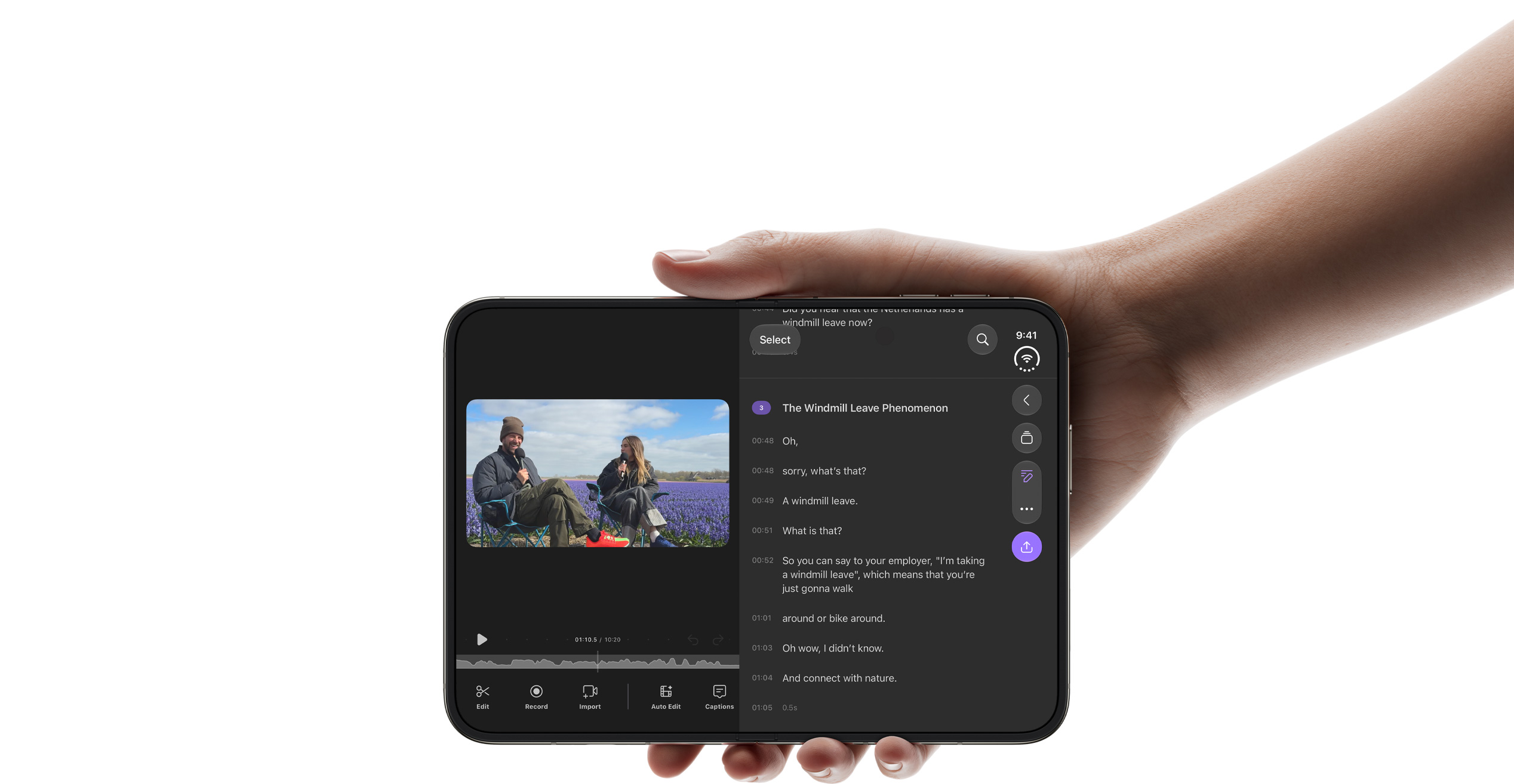
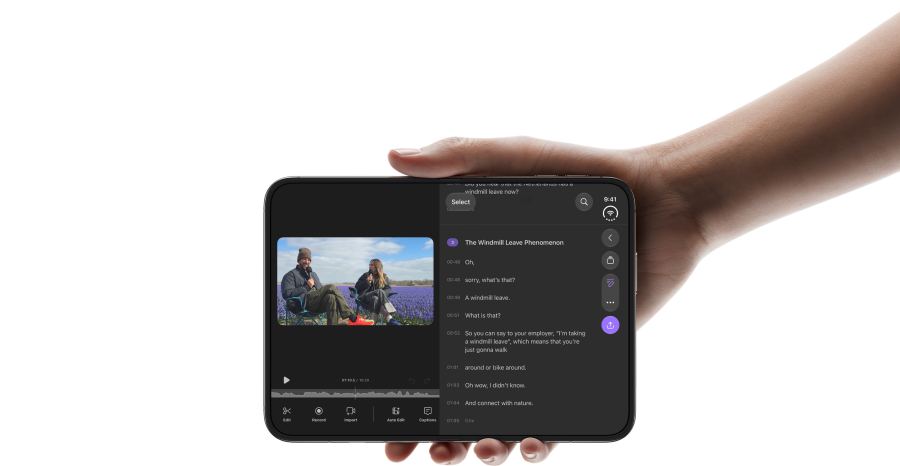
The hardware itself is the clearest break from the iPhone design language since the original 2007 model. Closed, the Duo measures roughly passport-sized with a 5.4-inch outer Super Retina XDR display that Apple says delivers about 90 percent of the screen area of the iPhone 18 Pro. Opened, the 7.6-inch inner display is the largest ever on an iPhone and is described as 50 percent larger than the screen on the iPhone 18 Pro Max. Both panels share the same aspect ratio so content scales without distortion. The inner screen uses a nano-texture finish intended to reduce glare and minimize the visibility of the crease, a longstanding complaint on competing foldables.
Power comes from the A20 Pro chip, the same silicon used in the 18 Pro models, paired with a vapor chamber and a dual-battery architecture that Apple says supports all-day use. Video playback estimates reach up to 31 hours on the inner display and 44 hours on the outer one under ideal conditions. Authentication is handled by Touch ID in the side button rather than Face ID, a practical concession to the folding form factor. The frame is Grade 5 titanium with a mirror polish, and the device carries an IP68 rating. Camera hardware centers on a 48MP Fusion Main and 48MP Fusion Ultra Wide pair, with software features such as Smart Take, Duo Preview, and an under-display FaceTime camera that become usable only because the phone can stand itself up or show a preview on the outer screen.
Colors are limited to Star White and Night Sky. Storage starts at 256GB and runs to 2TB. Pre-orders began October 16 at 5 a.m. Pacific Time, with the official retail launch date set for October 23. A second wave of countries was scheduled for October 30. Accessories include a two-piece case and a folio with kickstand, both MagSafe-compatible.
The Pre-Order Reality
The gap between announcement and actual availability was already longer than for the simultaneous iPhone 18 Pro models, which had reached customers on September 18. Reports earlier in the year had flagged hinge and display production yields as potential bottlenecks; one supply-chain source cited final assembly yields only slightly above 60 percent in mid-September. Apple proceeded anyway. When the store opened, the Apple Store app itself was delayed by a minute or two in some accounts. By roughly 5:30 a.m. Pacific, January 25 shipping dates appeared across configurations in the U.S. online store. Similar slides occurred in other major markets.
Apple later told the Financial Times that demand was “nothing short of extraordinary” and that it was working to get units to customers as quickly as possible. That statement is consistent with strong interest, but it does not erase the planning criticism. Gurman reported that the original intent had been a more limited U.S.-and-China start, which would have concentrated scarce early production where it could satisfy the most visible demand. Expanding to more than 70 countries at once diluted the available stock further. Analyst estimates for 2026 production have hovered around 6 million units, a fraction of the volume expected for the 18 Pro line. For a $1,999 starting price, that volume is not trivial revenue, yet it is small enough that a handful of aggressive pre-order minutes can exhaust months of visible inventory.

Retail guidance has added another layer. Some Apple Store employees have been told there will likely be no walk-in Duo stock on launch day and to discourage customers without pre-orders from arriving expecting to buy one. The online store has pointed people toward checking again on October 24 for pickup availability, without guaranteeing units. For a product that Apple positioned as the most significant iPhone design change in nearly two decades, the immediate commercial experience for many buyers is a multi-month queue.
Why the Timing Matters for Ternus
John Ternus became CEO on September 1, succeeding Tim Cook, who remains executive chairman with a focus on government and policy matters. The September 9 event was Ternus’s first major product stage appearance, and the Duo was the clear headliner—the “one more thing” of the keynote. Cook has said he deliberately left the launch to Ternus so the new CEO would have momentum. That framing makes the subsequent supply friction more visible. Investors and customers are watching whether the hardware-focused Ternus can execute on complex new categories without the operational buffer Cook built over 15 years.
The same week as the Duo pre-order turbulence, Apple also advanced its smart-home push with HomeView, a $299 display hub announced October 13 and set to ship November 13. That product, too, is an expansion into a category where Apple has been lighter than Amazon or Google. Together, the Duo and HomeView illustrate a company that is willing to enter new hardware segments under its new leadership, yet both carry execution risks: constrained supply on one side, and a requirement that every household member have a recent iPhone on the other. The Duo situation is the more immediate public test.

What to Watch Next
Several signals will clarify whether this is a short-term bottleneck or a longer structural issue. First, whether Apple can pull any January estimates forward before the holidays. Historical iPhone launches have sometimes seen early shipping dates improve once production ramps; that pattern is not guaranteed here given the specialized hinge and display stack. Second, actual sell-through and return rates once units reach customers. Foldables from other manufacturers have historically faced durability questions; Apple’s claims around the nano-texture, multi-layer adhesives, and titanium structure will be tested in the wild. Third, the impact on the broader iPhone mix. Strong Duo interest could pull some buyers away from the 18 Pro models, or it could simply add incremental high-ASP volume. Apple’s November 2 earnings call—Ternus’s first as CEO—will be the first formal opportunity for management to address demand and supply in public.
Pricing power is another open question. At $1,999 for the base model and up to $3,199 for 2TB, the Duo sits well above the 18 Pro Max’s $1,299 start. Apple has already raised prices on the Pro line this year, citing memory costs. If the foldable remains supply-constrained through the holiday quarter, the company may capture high margins on limited volume, but it also risks training customers to expect long waits and potentially ceding some early mindshare to competitors who already have mature foldable lines. Conversely, a clean ramp into early 2027 could position the Duo as a durable high-end segment rather than a one-cycle novelty.
For buyers deciding today, the practical calculation is straightforward. Anyone who secured a launch-day or near-term slot has a scarce item. Everyone else faces a wait that extends past the holidays and into the period when the next product cycle will already be taking shape. The iPhone Duo is real, official, and shipping to some customers on October 23. Whether Apple can match the demand it generated, and whether that demand stays strong once the novelty of the first weeks fades, will define the opening chapter of Ternus’s hardware tenure more clearly than any single keynote line.
Comments
0