
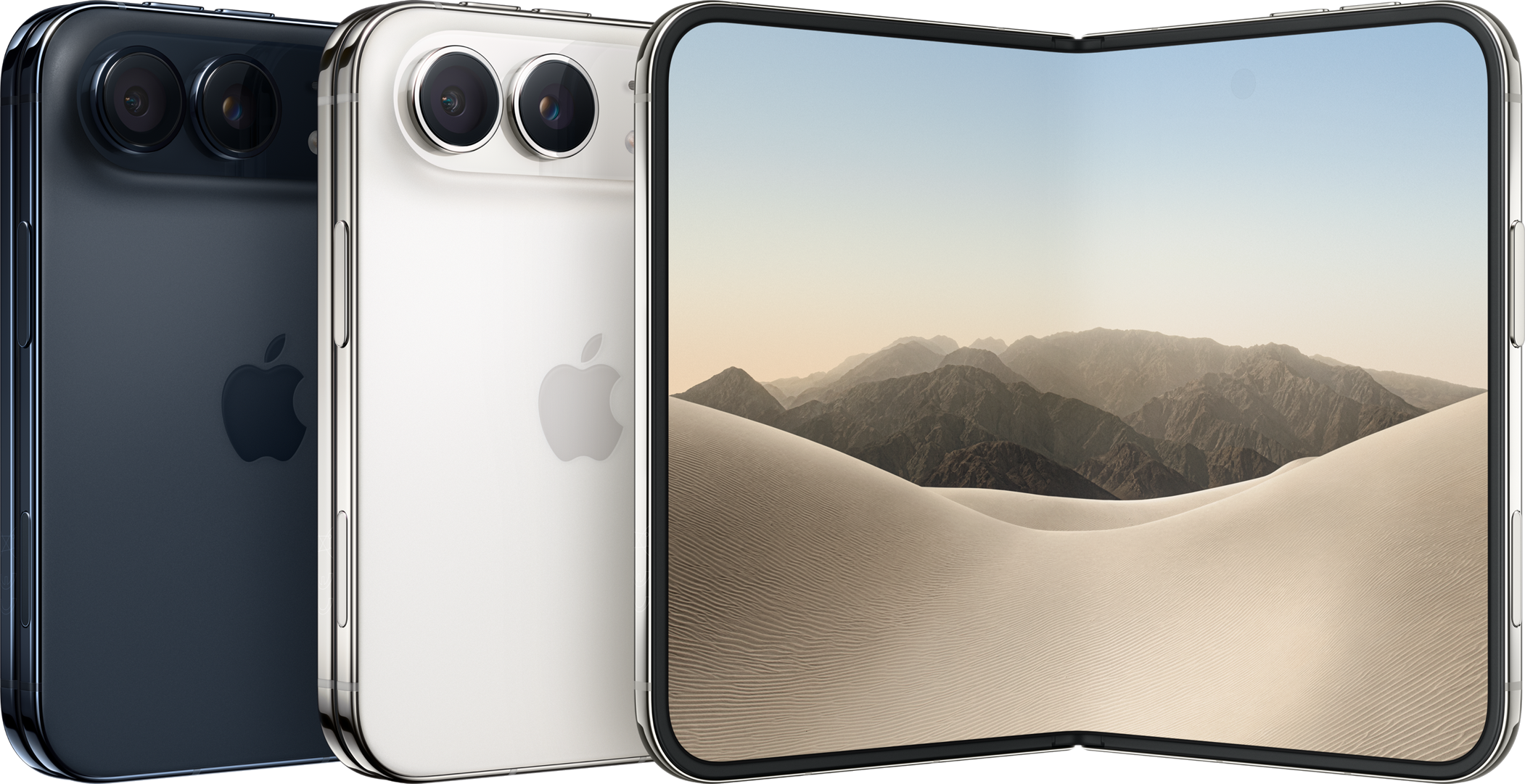
The iPhone Duo Sell-Out Exposes the Limits of Apple's Patient Foldable Strategy Under Ternus
Apple's first foldable iPhone did not arrive quietly. When pre-orders for the iPhone Duo opened on October 16, available stock disappeared within minutes across more than 70 countries. U.S. shipping estimates that began at the October 23 launch date slid first to November, then December, and finally to January 25, 2027 for nearly every configuration. Apple later described demand as "nothing short of extraordinary" and said it was working hard to get the device into customers' hands. The statement was accurate as far as it went. It also papered over a decision that Bloomberg's Mark Gurman later called a major mistake: launching a severely constrained product into a wide set of markets instead of concentrating early inventory.
The sell-out is not simply a story of high demand. It is the first real-world test of John Ternus's approach as CEO. Ternus, who took the role on September 1 after years as hardware engineering chief, has framed the Duo as the product Apple refused to ship until the technology met its standards. In a recent TIME interview he described earlier foldables from rivals as "kind of cheap and crappy," citing durability, crease visibility, and overall feel. The Duo's 7.6-inch inner Super Retina XDR display with nano-texture finish, 5.4-inch outer display, Grade 5 titanium frame, and precision hinge with more than 100 components are the tangible results of that long wait. Pre-orders opened the day after Ternus's comments circulated widely. The market responded immediately.
What Happened on October 16
Pre-orders began at 5 a.m. Pacific Time. Within the first half hour, delivery windows for most models had moved past the end of 2026. Reports from MacRumors, 9to5Mac, and other outlets tracked the progression in real time: early buyers secured October 23 or early November dates, while later orders faced January 2027. Some Japanese orders later moved forward, and a handful of configurations saw modest improvements, but the broad pattern held. Apple has not disclosed exact unit volumes, yet prior reporting from Nikkei Asia indicated the company was producing only a few hundred Duo units per day in the ramp, far below a typical iPhone launch. Gurman noted that Apple had originally planned a more limited U.S.-and-China start before expanding. Instead it opened sales across a wide set of countries at once, spreading thin inventory thinner.
The pricing reinforced the tension. The Duo starts at $1,999 for 256GB and reaches $3,199 for 2TB. It is Apple's most expensive iPhone ever. Resellers quickly listed units on secondary markets at substantial premiums. Walk-in stock on the October 23 retail launch day was expected to be minimal or nonexistent; store staff were reportedly instructed to set expectations accordingly. For a company that has spent years training customers to expect abundant supply on launch day, the gap was conspicuous.
Why the Timing Matters for Ternus
Ternus has positioned himself as an engineering-first leader who will not rush incomplete hardware. The 15-year development path he described—beginning with early foldable patents around 2011—fits that narrative. Flexible OLED displays, hinge durability, and a crease that is nearly invisible under normal use were non-negotiable. The nano-texture polymer surface and the custom hinge are the engineering answers Apple chose to wait for. In that sense the product is consistent with the CEO's public stance.
The launch execution is less consistent. Opening pre-orders while knowing supply would be severely limited created the exact customer frustration Apple usually avoids. Early adopters who had waited years for an Apple foldable discovered that most of them would not receive the device until well after the holiday season. Analysts such as Dan Ives described the initial demand read as robust, which is useful for the stock narrative. It does not erase the operational shortfall. Gurman's assessment that Apple prioritized getting the product into the fiscal first quarter over satisfying near-term demand is the clearest external critique so far. Ternus's first major hardware cycle is therefore delivering both the product he promised and the classic Apple tension between ambition and manufacturing reality.
The Product Itself
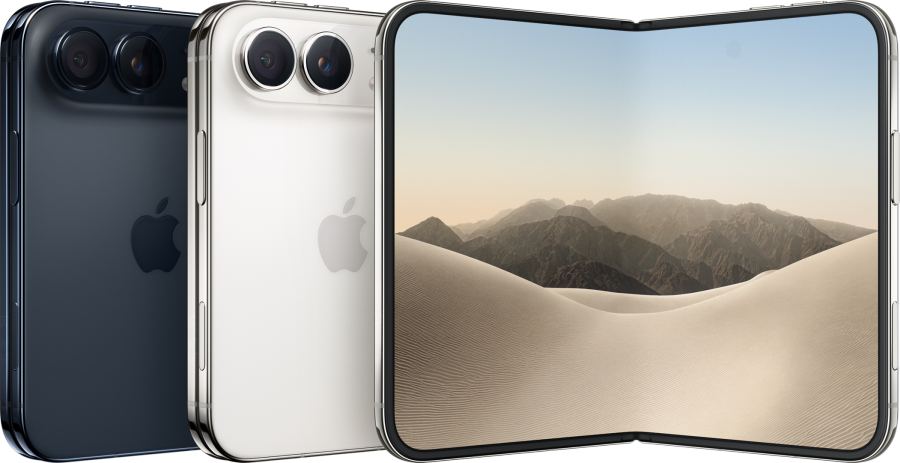
On paper the Duo is the device Apple argued the category needed. Opened, it is the thinnest iPhone yet, with an inner display 50 percent larger than the iPhone 18 Pro Max. Closed, the outer screen offers roughly 90 percent of the screen area of the iPhone 18 Pro in a passport-sized form. Both displays share the same aspect ratio so content scales cleanly. The A20 Pro chip, dual-battery system, IP68 rating, and 48MP Dual Fusion camera system (main plus ultrawide, with optical-quality 2x) are familiar high-end iPhone traits applied to a new form factor. Touch ID on the side button replaces Face ID. Apple Pencil support is promised later. The titanium construction and hinge design are the differentiators Ternus has emphasized.
Whether those choices justify the price and the wait will depend on independent durability testing and real-world reviews once units reach more customers. The nano-texture finish is intended to reduce crease visibility and improve touch feel. The hinge is meant to feel precise rather than fragile. Those are the claims. Early hands-on reports from the September event were positive on feel, but volume production and long-term use are different tests. The sell-out means most people will form their opinions from secondary-market units or from waiting until 2027. That is an unusual position for an Apple flagship.
Context Inside a Busy October
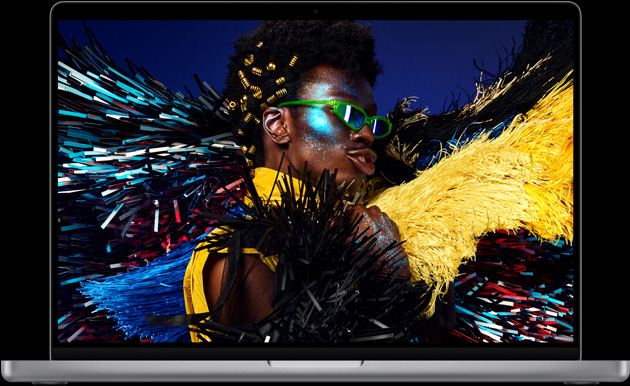
The Duo is not the only new hardware in motion. On October 13 Apple introduced HomeView, a $299 smart display with a 7-inch Liquid Retina screen, A18 chip, and Siri AI, alongside a new Apple TV 4K and HomePod mini 2. Pre-orders for those products are underway, with HomeView and the Apple TV arriving November 13. Then, on October 19, Apple confirmed a second experience for October 28 in Los Angeles under the tagline "Pro and Tell." Expectations center on a redesigned MacBook Pro with an OLED touchscreen, Dynamic Island, and lighter chassis, plus M6 updates for the entry-level MacBook Pro and iMac, and an OLED iPad mini. Greg Joswiak's public tease ("Can't wait to pro and tell next week") made the timing official.
The cadence is aggressive for a company that has just changed CEOs. Ternus is simultaneously managing the first foldable iPhone's constrained launch, a new home hub category, and the next wave of Mac and iPad refreshes. The Duo's supply issues are the most visible stress test so far. If the October 28 products arrive with healthier inventory, the contrast will be instructive. If they do not, the pattern will look more structural.

What to Watch Next
Several variables will clarify how this chapter lands. First is actual delivery performance. Some orders have already moved earlier in certain markets; if that continues at scale, the January estimates may prove conservative. Second is review consensus once more units are in independent hands. Crease durability, hinge longevity, battery behavior with both displays, and camera performance relative to the iPhone 18 Pro Max will determine whether the premium is justified. Third is the October 28 event itself. A successful MacBook Pro overhaul with better supply would reinforce the narrative that Ternus can ship ambitious hardware on a predictable cadence. Fourth is any commentary from Ternus or the broader leadership team on manufacturing readiness. So far the public line has stayed on demand rather than on the decision to launch wide with thin inventory.
Longer term, the Duo sets the template for Apple's foldable ambitions. The company waited until it believed the category was ready. The market has now shown it is ready to buy. The open question is whether Apple can manufacture the product at the volume its own demand requires without repeating the same constraint on future models. Ternus has spent years arguing that quality justifies the wait. The next several months will show whether the supply chain can keep pace with that standard once the wait is over.
For customers who ordered in the first minutes, the Duo remains an October 23 arrival. For everyone else, the first Apple foldable is a 2027 product. That gap is the clearest early signal of how the Ternus era will balance engineering patience with operational execution.
Comments
0