
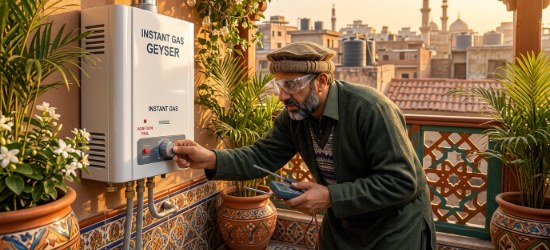
Why Does Your Instant Geyser Keep Failing to Ignite in Winter?
You open the hot water tap on a cold morning, but your instant geyser refuses to start. Sometimes, you hear a clicking sound without any flame. Other times, the appliance works perfectly in the afternoon but fails to ignite early in the morning. This can be frustrating when your family depends on hot water during winter.
Ignition problems are common complaints among water heater users, but they do not always mean the appliance is damaged. Weak batteries, insufficient water flow, low gas pressure, or faulty ignition components may be responsible. Before comparing the latest instant geyser price, it is worth understanding why your existing heater struggles to start.
An instant water heater uses several components that must work together before the burner can ignite. Identifying the likely cause can help you avoid unnecessary repairs and make better maintenance decisions.
Understanding the Instant Geyser Ignition System
An instant gas geyser heats water when someone opens a hot water tap. Unlike a storage heater, it does not maintain a large tank of heated water throughout the day. Instead, it detects water flow and starts its burner to produce hot water as needed.
Depending on the model, ignition may use batteries or a mains-powered electronic system. A flow sensor, ignition control, gas valve, and flame-detection components work together to start and regulate heating. If any essential condition is missing, the appliance may refuse to ignite.
This protective behaviour is important because the burner should not operate without the required water flow or safe combustion conditions. Understanding these basic requirements makes troubleshooting easier.
Weak Ignition Batteries
Some instant gas geysers use replaceable batteries to power their ignition systems. When these batteries become weak, the appliance may produce an irregular clicking sound or fail to create a reliable ignition spark.
Battery-related problems can develop gradually. A geyser might initially require several attempts before starting and eventually stop igniting altogether. This can make the issue appear more serious than it actually is.
If your model uses replaceable batteries, check the manufacturer's instructions for the correct battery type and replacement procedure. Never attempt to modify the ignition wiring or connect an unsuitable external power source.
A heater that still fails after the recommended battery replacement may have another problem requiring professional inspection.
Low Gas Pressure During Winter
Natural gas demand often increases during colder months, and some Pakistani households experience reduced supply pressure. An instant geyser needs gas pressure within its specified operating range to ignite and maintain combustion.
When the pressure becomes insufficient, the appliance may fail to start or may ignite briefly before stopping. The problem can be more noticeable when other household gas appliances are operating simultaneously.
However, low pressure should not be assumed to be the cause of every ignition problem. Gas valve faults, blocked components, or control-system problems can create similar symptoms.
Never attempt to increase gas pressure by adjusting the regulator or modifying the appliance. A qualified technician should check the supply and determine whether the heater is receiving gas within its rated requirements.
Water Flow and Pressure Requirements
Instant geysers need adequate water flow to activate their heating systems. Opening a hot water tap should produce sufficient flow for the appliance to detect demand and start its ignition sequence.
If the water supply is too weak, some models will not ignite. This is particularly relevant in homes using overhead water tanks where the available pressure depends on the height difference between the tank and the outlet.
Blocked showerheads, restricted pipes, and partially closed valves can also reduce water flow. Sometimes, the geyser operates normally at one tap but refuses to start when another outlet is used.
A plumber can measure the available pressure and identify restrictions without making unsafe modifications to the appliance.
Ignition Electrode and Flame Sensor Problems
The ignition electrode produces the spark required to light the gas burner in many modern instant heaters. If the electrode becomes damaged, incorrectly positioned, or affected by other faults, the burner may fail to ignite.
Flame sensors serve another important function. They help the control system determine whether combustion has started successfully. If a flame is not detected when expected, the appliance may shut off the gas supply as a protective measure.
These components should only be inspected or repaired by a qualified gas technician. Attempting to bypass flame detection can create serious safety risks.
If your heater repeatedly clicks without starting, professional testing can help distinguish ignition failure from a gas supply or sensor problem.
Blocked Inlet Filters and Water Restrictions
Some instant geysers contain inlet filters that help prevent particles from entering the appliance. Over time, debris from the water supply may accumulate in these filters and restrict flow.
Mineral deposits can also develop inside certain water passages, particularly where the incoming water contains high concentrations of dissolved minerals. Restricted flow may prevent the appliance from reaching its minimum activation requirement.
However, a clogged filter is only one possible explanation for ignition failure. Replacing random parts without diagnosing the cause may not solve the problem.
Follow the manufacturer's servicing recommendations and have internal water passages inspected by a trained professional when necessary.
Gas Supply Compatibility
Instant geysers are designed for specific fuel types and operating pressures. Some models use natural gas, while others are manufactured for LPG.
These configurations are not automatically interchangeable. Connecting an appliance to an unsuitable gas supply may prevent correct combustion and create dangerous operating conditions.
Before installation, check the fuel type shown on the manufacturer's rating label. The gas connection, regulator, and installation arrangement must meet the model's requirements.
If you recently changed your household gas supply and the geyser stopped operating correctly, do not attempt adjustments yourself. Have an authorised technician confirm whether the appliance is compatible.
Ventilation and Exhaust Safety
Gas combustion requires sufficient air and safe removal of exhaust gases. An incorrectly installed appliance may experience combustion problems and create a risk of carbon monoxide exposure.
Certain modern heaters contain protective systems that respond to abnormal operating conditions. However, not every model includes the same safeguards.
Warning signs such as soot around the heater, unusual combustion sounds, or repeated ignition failures deserve immediate attention. Never block ventilation openings or modify exhaust components.
If you suspect a gas leak, leave the affected area and contact the appropriate emergency service from a safe location. Do not operate electrical switches or attempt to restart the heater.
Alternative Heating During Gas Supply Problems
Some households face recurring gas pressure problems despite having an otherwise functional instant geyser. In these situations, repairing the appliance will not resolve a wider fuel supply issue.
Homes with suitable gas and electrical connections may consider an electric and gas water heater that provides two heating options within one storage unit.
Such appliances can offer greater flexibility when one energy source becomes unavailable. However, their installation requirements and operating costs differ from those of instant heaters.
Before considering a replacement, compare your household's hot-water requirements, available installation space, and reliability of both utility supplies.
Professional Maintenance Before Winter
Having your instant geyser inspected before heavy winter use can help identify developing problems. A technician can check the ignition system, water flow, gas connections, burner operation, and relevant safety controls.
Maintenance is particularly important when the heater has been unused for several months. Dirt, moisture, and component wear can affect operation, although the actual servicing needs depend on the model.
If the appliance repeatedly fails to ignite, avoid attempting to start it over and over. Repeated ignition attempts against the manufacturer's instructions may create additional risks.
Professional diagnosis can often identify a repairable fault without requiring the purchase of a new water heater.
Frequently Asked Questions
Why is my instant geyser clicking but not starting?
Weak ignition batteries, insufficient gas supply, or faulty ignition components may be responsible. A technician can identify the actual cause.
Can low water pressure stop an instant geyser from igniting?
Yes. Some models require a minimum flow rate to activate the burner. Restricted water supply can prevent ignition.
Why does my gas geyser work in the afternoon but not in the morning?
Variations in gas pressure or water supply may contribute, particularly during peak usage periods. Other appliance faults are also possible.
Does an instant geyser require electricity to ignite?
It depends on the model. Some use batteries, while others require mains electricity or another approved ignition arrangement.
Should I replace an instant geyser that frequently fails to start?
Not immediately. A repairable ignition or flow-related issue may be responsible. Have the appliance inspected before deciding.
Final Verdict: Restoring Reliable Instant Geyser Ignition
An instant geyser that refuses to ignite during winter does not necessarily need replacement. The problem may involve weak batteries, insufficient gas pressure, restricted water flow, or a faulty ignition component.
Start by observing when the problem occurs and whether other water outlets or gas appliances are affected. These details can help a technician identify the underlying cause.
Regular servicing, correct fuel compatibility, and appropriate installation are essential for dependable operation. Gas-related faults should always be handled by qualified professionals.
A properly functioning instant geyser should ignite reliably when its operating requirements are met. Identifying the actual fault early can help avoid unnecessary repairs and keep hot water available throughout winter.
Comments
0