
iPhone Duo Launch Day: Extraordinary Demand Tests Apple Under John Ternus
Today marks a genuine inflection point for Apple. The iPhone Duo, the company’s first foldable smartphone, is officially available in more than 70 countries and regions after pre-orders that began on October 16. Apple itself described the initial demand as “nothing short of extraordinary,” and supply-chain reporting indicates the company has raised production orders by more than 40 percent in response. Early pre-orders that secured launch-day delivery have already begun shipping, while later orders have slipped into November or even early 2027 in some configurations.
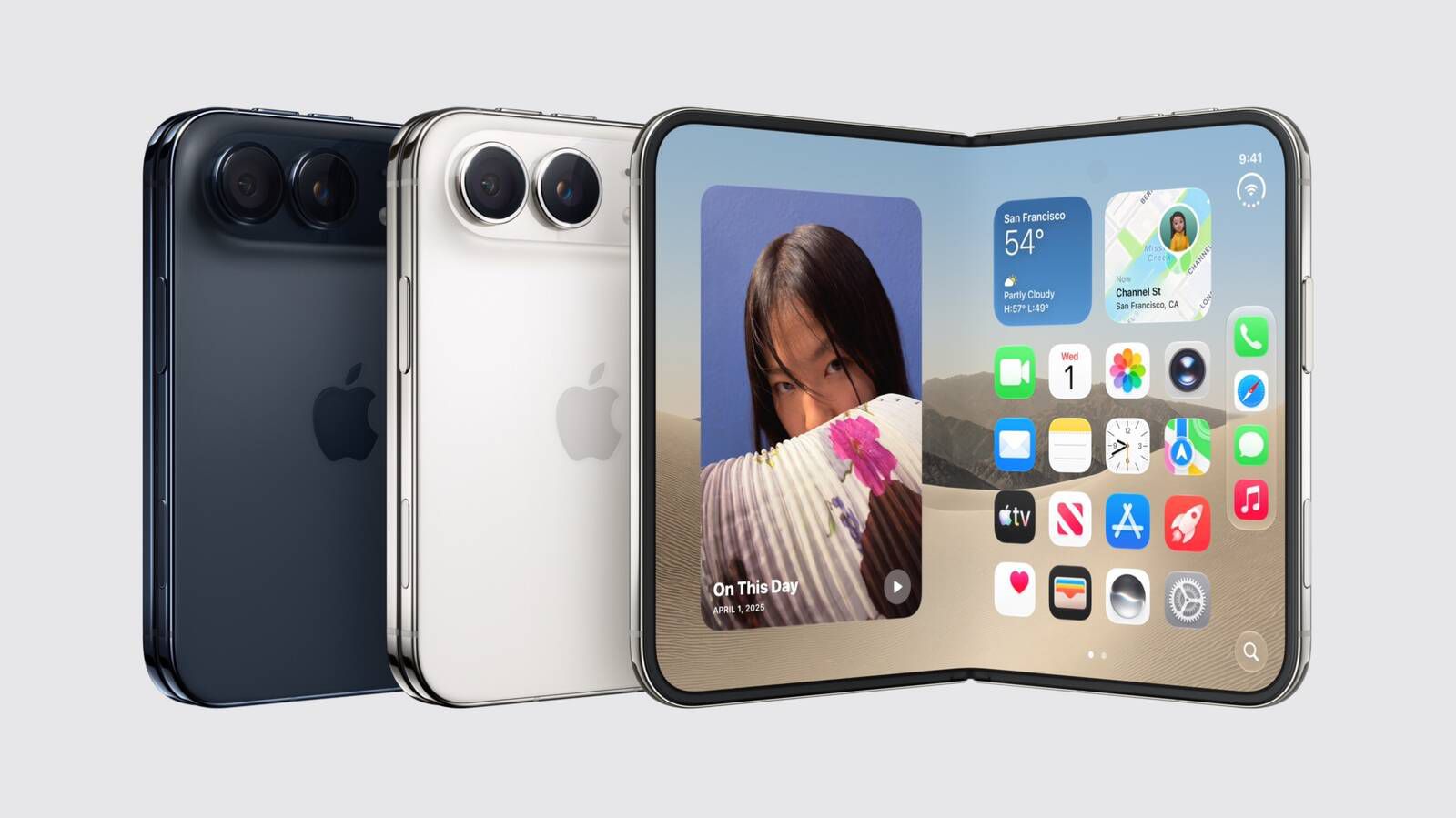
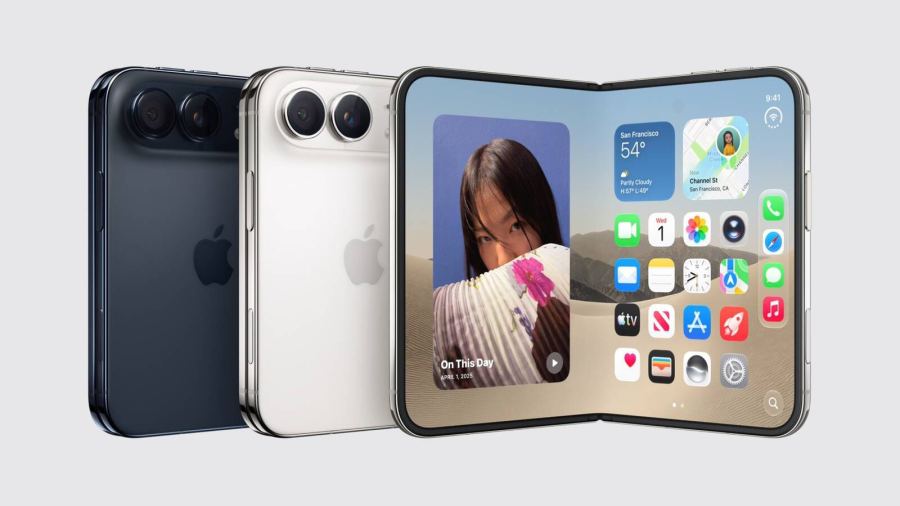
This is not a routine product drop. The Duo arrives more than a month after the iPhone 18 Pro and Pro Max, at a starting price of $1,999 for 256 GB in either Star White or Night Sky. When open it is the thinnest iPhone ever made and offers a 7.6-inch inner display that Apple says is 50 percent larger than the iPhone 18 Pro Max. Closed, the 5.4-inch outer screen provides roughly 90 percent of the screen area of the 18 Pro in a more pocketable form. Both displays share the same aspect ratio, and the software is designed to feel continuous whether the device is folded or unfolded.
What Actually Happened on the Path to Launch
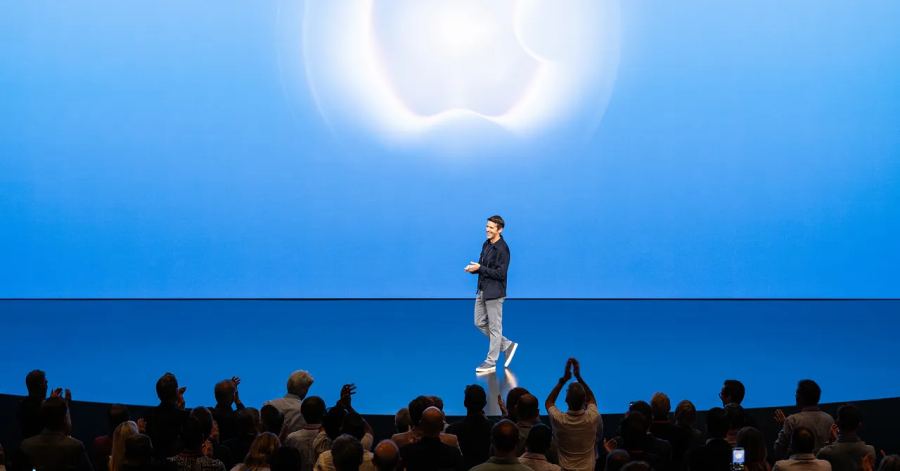
The device was unveiled by CEO John Ternus at Apple’s September 9 event as a “one more thing” moment. Ternus, who became CEO on September 1 after Tim Cook moved to executive chairman, framed the Duo as the most transformational change to the iPhone since the original. The hardware combines a grade-5 titanium frame, a precision hinge with more than 100 components, a dual-battery system, and an A20 Pro chip with a custom vapor chamber. The inner display uses a nano-texture finish intended to reduce glare and minimize the visibility of the crease. An under-display FaceTime camera keeps the inner screen uninterrupted when not in use.
Pre-orders opened at 5 a.m. Pacific Time on October 16. Within minutes shipping estimates for many configurations moved from launch day into November; within half an hour some U.S. estimates reached mid-December. Apple later limited orders to two per customer in the United States, the United Kingdom, and other markets to reduce scalping. Retail staff were reportedly told to discourage walk-in purchases on launch day because walk-in stock would be minimal. These are classic signs of constrained supply meeting high demand, not of a product that failed to generate interest.
Why the Demand Matters Now
John Ternus’s first major product cycle as CEO is arriving under unusually high expectations. Apple’s stock has been near record levels, and the company has guided investors toward solid September-quarter growth. The Duo is the clearest public signal of the hardware-engineering background Ternus brings to the role. Early hands-on reviews have been largely positive about the hinge feel, the software adaptations in iOS 27, and the practical utility of the larger canvas for multitasking and media. At the same time, the starting price is the highest Apple has ever placed on an iPhone, and production yields were reportedly only modestly above 60 percent in mid-September. The combination creates a classic Apple tension: strong early demand that the company cannot fully satisfy on day one.
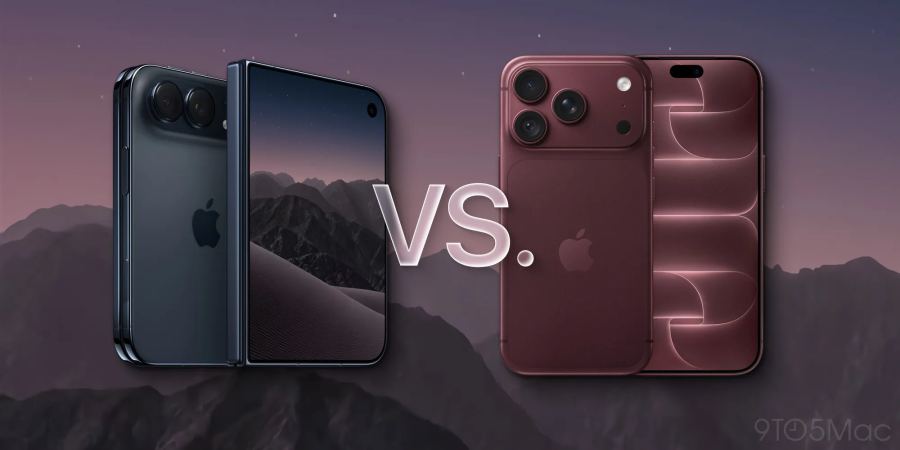
For customers who already own an iPhone 18 Pro Max or a recent iPad, the Duo is not an automatic upgrade. It is heavier than the 18 Pro (254 grams) and the outer screen, while useful, is smaller than the 18 Pro’s display. Its value proposition is the combination of a pocketable closed form with an iPad-mini-class inner screen that can run two apps side by side, support a kickstand folio, and eventually work with Apple Pencil. Whether that combination is worth $700 more than the 18 Pro Max will be the central commercial question of the cycle.
Software, Accessories, and the Broader Ecosystem
iOS 27 was built with the Duo in mind. Controls shift to the side of the screen to maximize vertical content space, the Dynamic Island moves, and apps can take advantage of the continuous aspect ratio. Developers have been submitting Duo-optimized apps; Apple has highlighted early work from Netflix, Instagram, and others. The company is also shipping a dedicated folio with kickstand and a two-part case. On the software side, the same week the Duo launches, Apple added a beta Intelligent Assistant to Pages, Numbers, and Keynote for Creator Studio subscribers—another incremental expansion of Apple Intelligence that now arrives alongside the new hardware.
These details matter because foldables have historically struggled with software polish and app support. Apple’s approach appears to be the opposite of a pure hardware experiment: the software, the hinge mechanics, the thermal design, and the pricing were all iterated together over a long development cycle. The delayed launch relative to the 18 Pro was widely interpreted as the time needed to reach acceptable yields and software maturity.

What to Watch Next
Several near-term signals will clarify whether the Duo is a niche success or the start of a broader form-factor shift. First is actual sell-through once the initial constrained shipments reach customers and stores. Second is the November 2 earnings call—Ternus’s first as CEO—where investors will look for commentary on Duo demand, mix, and any impact on the broader iPhone cycle. Third is the software update cadence: Apple Pencil support is expected soon, and further iOS refinements for the folding form factor are likely. Fourth is competitive response. Samsung and others already have multi-generation foldables; the Duo’s reception will influence how aggressively they price and market against it.
Longer term, the Duo is a test of whether Apple can expand the iPhone’s addressable market without simply substituting for existing Pro Max or iPad sales. If a meaningful percentage of buyers are new to the premium tier or are consolidating phone-plus-tablet use, the device strengthens Apple’s position. If most volume comes from existing high-end iPhone owners who simply wanted the novelty, the financial contribution will be smaller than the headlines suggest. Early order strength and the decision to raise production both point toward the more optimistic reading, but the true picture will only emerge over the next two quarters.
For now, launch day confirms that Apple can still generate genuine excitement around a new form factor even at a premium price. The engineering is visible, the demand is real, and the constraints are equally real. Under John Ternus the company has chosen to ship a product that is both ambitious and limited. How quickly those limits expand will say as much about Apple’s next decade as the first-day numbers themselves.
Comments
0