
Apple's First Touch MacBook Pro: How PROLED XDR and Touch Redefine Pro Workflows
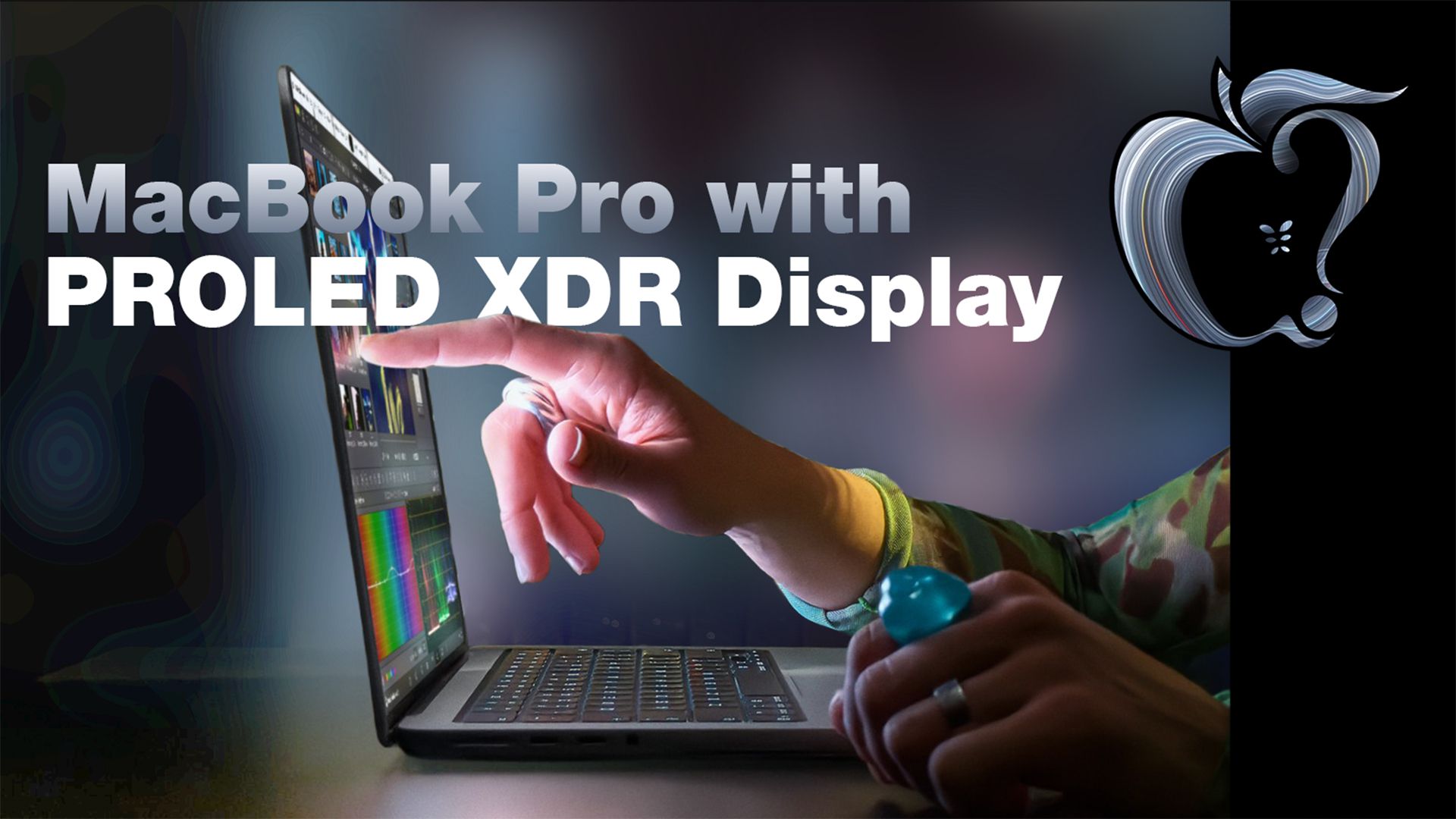
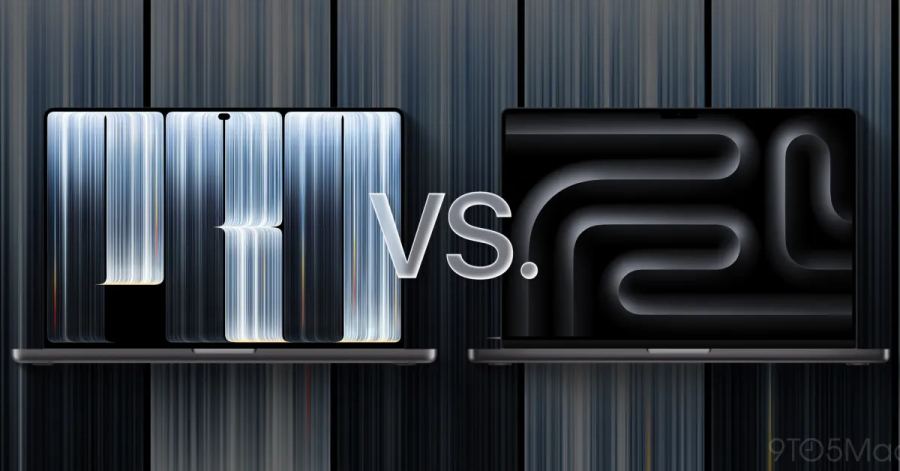
Apple's October 28 announcement of the MacBook Pro with PROLED XDR Display marks the company's most significant laptop redesign in years. For the first time, a MacBook Pro includes a touchscreen, paired with a tandem OLED panel that Apple calls the world's best laptop display. Pre-orders opened the same day, with units arriving November 6. Starting at $2,899 for the 14-inch model, the machine sits $400 above the standard MacBook Pro that continues alongside it with Mini-LED Liquid Retina XDR displays.
What Happened
The new MacBook Pro comes in 14- and 16-inch sizes, powered by the same M5 Pro and M5 Max chips already available in the non-touch models. The PROLED XDR uses tandem OLED technology with two self-illuminating pixel layers, delivering up to 2000 nits peak brightness for both HDR and SDR content and an industry-leading 10,000,000:1 contrast ratio. ProMotion runs from 10Hz to 120Hz. Color coverage expands to include Adobe RGB alongside P3, a meaningful upgrade for photographers and designers who previously needed external reference monitors for print work.
Touch is built directly into the display panel rather than layered on top, reducing latency. Everyday gestures such as pinch-to-zoom, drag-and-drop, and swipe-to-scroll work immediately because macOS translates touches into clicks. Pros gain new options: musicians can play virtual instruments onscreen, 3D artists can manipulate models directly, and developers can test iOS and iPadOS apps with touch input on the laptop itself. A redesigned hinge improves stability during touch use, and a Dynamic Island appears on Mac for the first time, housing Spotlight, Live Activities, and Siri AI.
The design is thinner and lighter. The 14-inch model drops half a pound to 3.0 pounds; the 16-inch falls to 4.0-4.1 pounds. Battery life remains rated at up to 24 hours. Storage options on M5 Max configurations now reach 16TB. Colors are Space Black and Silver, with an optional nano-texture glass that reduces glare. Pricing starts at $2,899 (14-inch M5 Pro) and $3,399 (16-inch M5 Pro), rising to $4,499 and $4,799 for M5 Max base configurations before memory and storage upgrades.
Why It Matters
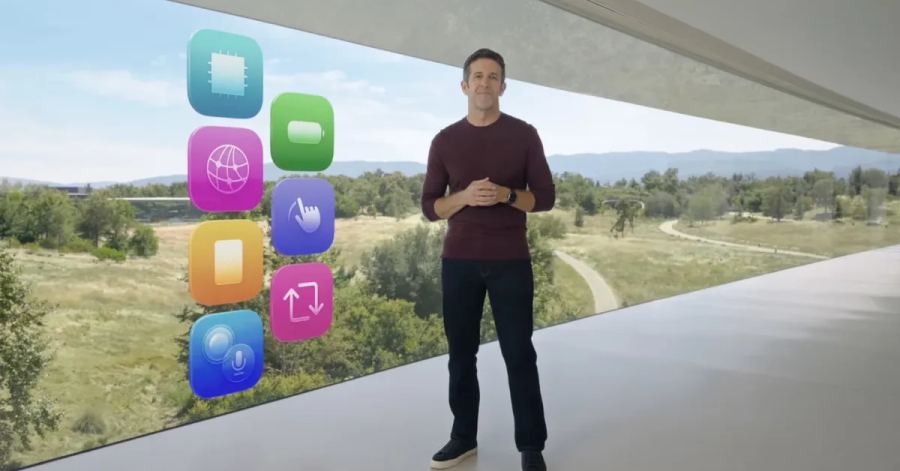
This launch arrives early in John Ternus's tenure as CEO. Ternus has repeatedly emphasized product as his core passion, and the MacBook Pro with PROLED XDR fits that framing. Apple finally addressed years of requests for a touch-enabled Mac while solving the display quality complaints that accompanied Mini-LED blooming on previous Pro models. The tandem OLED approach aims to eliminate the halo and blooming artifacts that frustrated color-critical users, while the 2000-nit SDR peak and antireflective coating target outdoor readability that OLED panels have historically struggled with.
The $400 premium positions the machine as a high-end option rather than a replacement for the standard MacBook Pro. Buyers who need the absolute best display and touch for creative or technical work can step up; others can stay with the Mini-LED models that share the same chips and ports. The coexistence of both lines reduces risk for Apple and gives customers a clearer choice. For the broader Mac ecosystem, the arrival of Touch on a flagship laptop raises questions about whether future base models or even the MacBook Air will eventually gain similar capabilities, and how app developers will prioritize touch-optimized interfaces.
Under Ternus, Apple has already shipped the iPhone Duo foldable, new Apple Watches, AirPods, an OLED iPad mini, and these Macs in a compressed window. The product cadence is aggressive. The MacBook Pro announcement also brings Dynamic Island to the Mac, extending a software language first popularized on iPhone and reinforcing the tight hardware-software integration Apple has long claimed as its advantage. Siri AI and Apple Intelligence features that rolled out with the OS 27 family are available on these machines, though regional availability still varies.
What to Watch Next
Real-world reviews after November 6 will reveal whether the tandem OLED delivers the claimed uniformity and longevity without the burn-in concerns that have dogged OLED laptops. Battery life under heavy touch and high-brightness use, thermal behavior with the lighter chassis, and the practical value of onscreen touch versus the trackpad for daily pro workflows will be key tests. App support matters: while many existing apps work immediately, the ones that truly take advantage of the full display as a canvas (drawing, music performance, 3D) will determine whether the feature feels essential or optional.
Supply and pricing dynamics also deserve attention. The standard MacBook Pro continues, so early demand may split. Education pricing and Apple Upgrade Program rates will influence institutional and frequent-upgrade buyers. Longer term, observers will track whether Ternus's product-first approach produces more frequent display and input innovations or whether the company returns to longer refinement cycles. The first earnings call under Ternus is scheduled for early November; any commentary on Mac or Services margins after this launch will be closely parsed.
For now, the MacBook Pro with PROLED XDR Display is official, available to order, and the clearest signal yet that Apple is willing to rethink long-held Mac conventions when the hardware and software can be engineered together. The combination of tandem OLED, native Touch, and the existing M5 Pro/Max performance creates a machine that is more different from its predecessor than any MacBook Pro refresh in recent memory. Whether that difference justifies the premium for individual buyers will be settled by the reviews and real-world usage that begin next week.
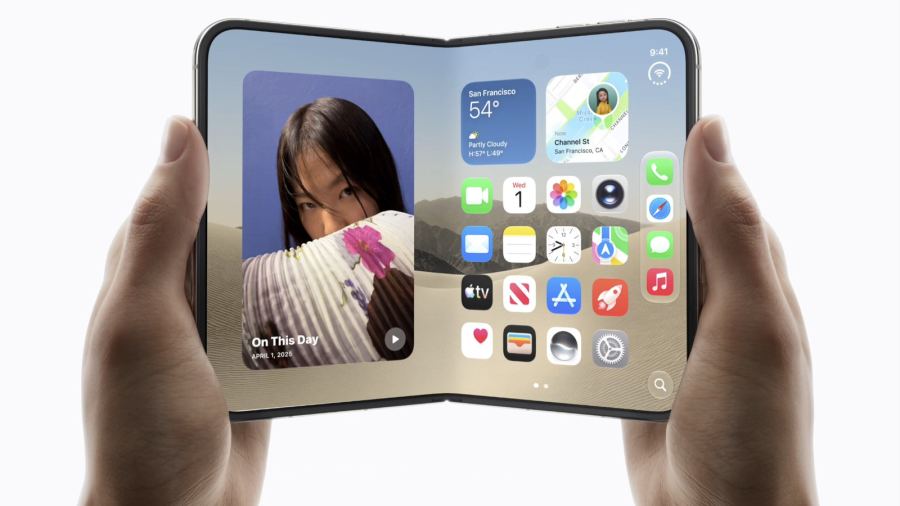
The launch also fits into a larger pattern of Apple expanding display technology across the lineup. The iPhone Duo uses a nano-texture folding display, the new iPad mini moved to OLED, and now the MacBook Pro receives tandem OLED with touch. Each step tests different manufacturing and software challenges. Success with the PROLED XDR could accelerate similar panels to other Macs; early issues with uniformity or durability would slow that progression. In either case, the November 6 arrival gives the industry its first extended look at a touch-enabled Apple laptop running macOS, and the results will shape expectations for the next generation of pro hardware.
Comments
0