
One Week Later: What iPhone Duo’s Launch Reveals About Apple Under Ternus
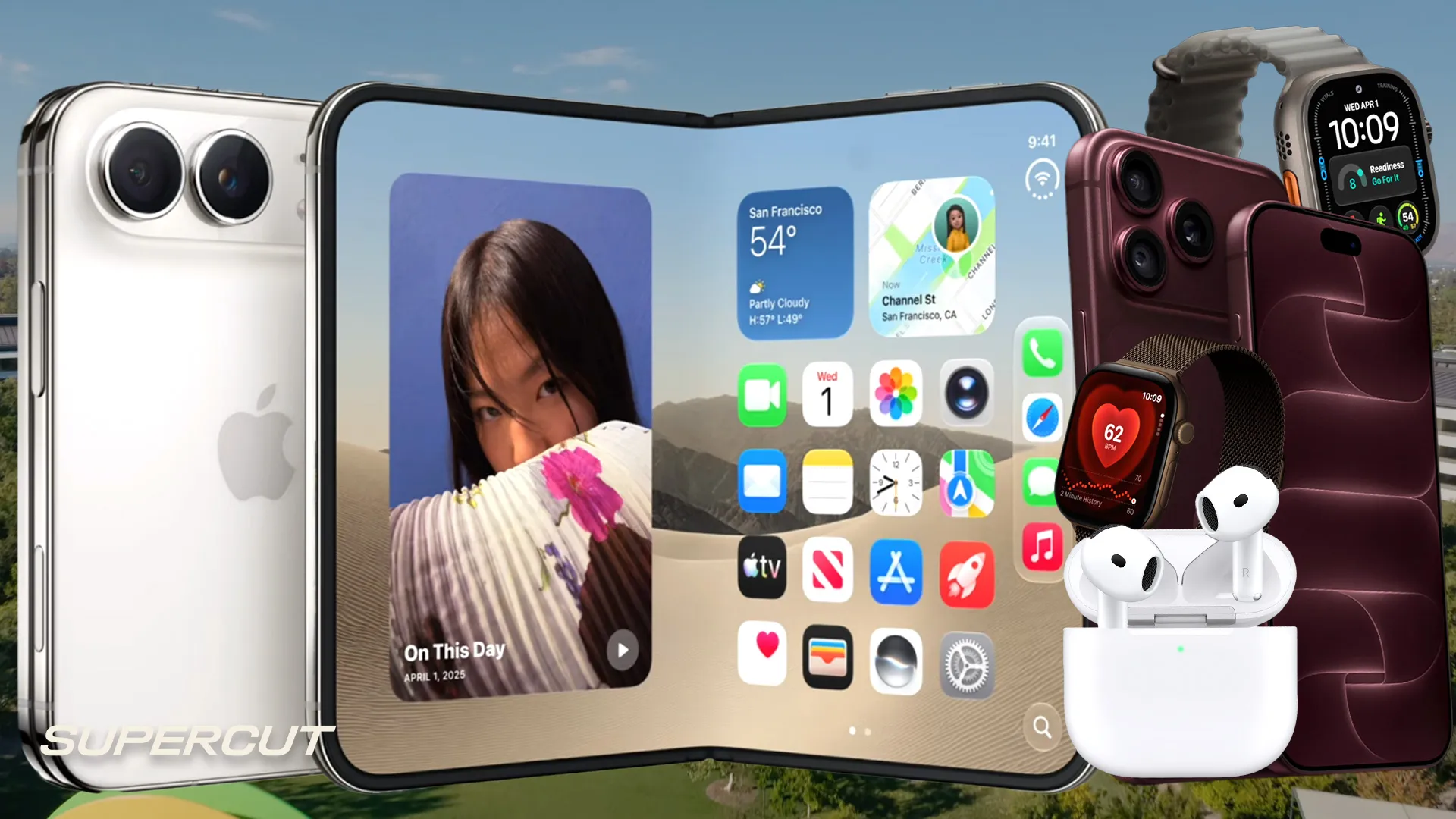
One week after the iPhone Duo reached customers on October 23, the device is no longer a rumor or a stage prop. It is a product people can buy, open, and fold in Apple Stores from Austin to Shanghai. Under new CEO John Ternus, the launch has become the first real test of whether Apple can enter a category it long avoided without looking late or overpriced.
What Actually Happened at Launch
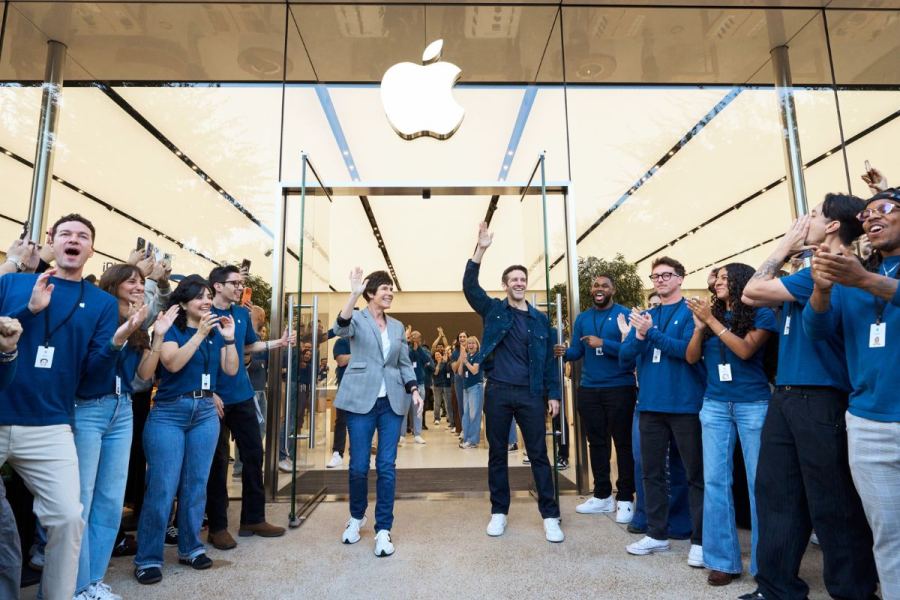
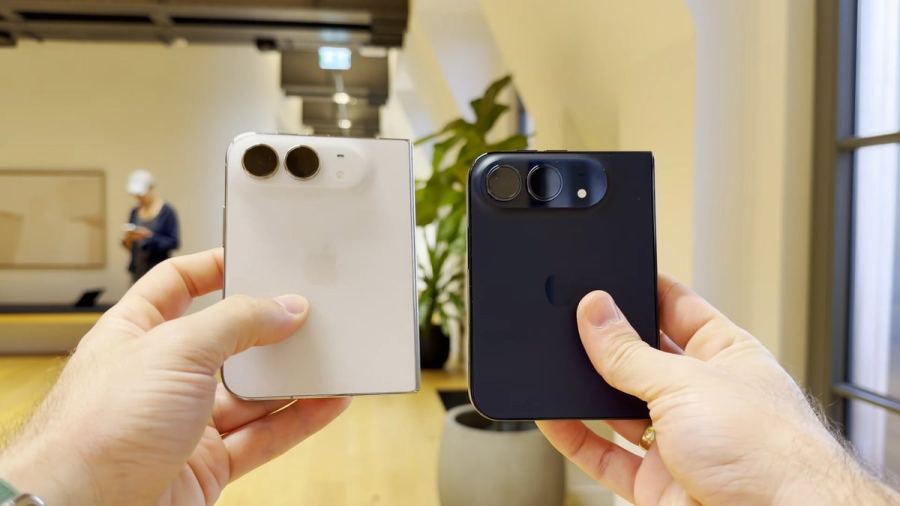
Pre-orders opened on October 16. Seven days later, stores opened their doors. Ternus and retail chief Deirdre O’Brien stood outside the Domain Northside location in Austin, waving customers inside. Other executives appeared in New York, London, Mumbai, and Shanghai. Apple released photos of queues, hands-on demos, and buyers leaving with the device in Star White and Night Sky finishes.
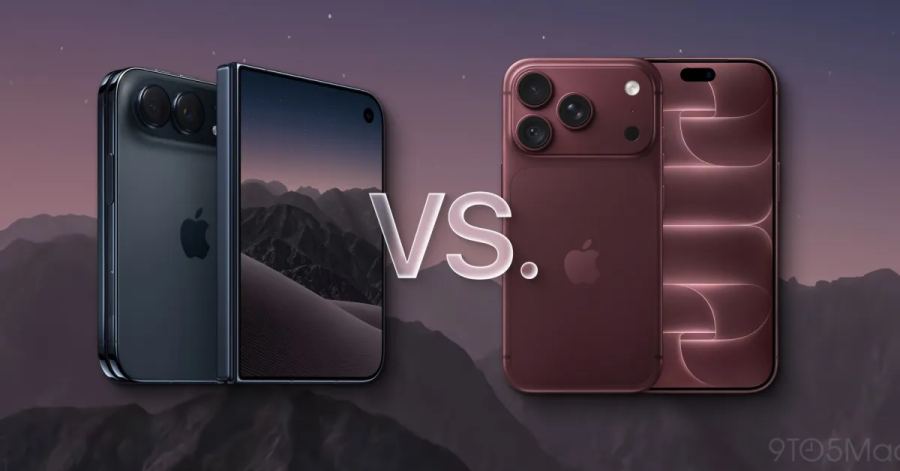
The phone starts at $1,999 for 256 GB and climbs to $3,199 for the 2 TB model. That pricing places it well above the iPhone 18 Pro ($1,199) and Pro Max ($1,299). Early supply appears constrained, a pattern familiar from previous flagship launches. Apple has not published sales figures, but store traffic and social posts suggest strong initial demand among buyers who had waited years for an Apple foldable.
The Hardware That Finally Shipped
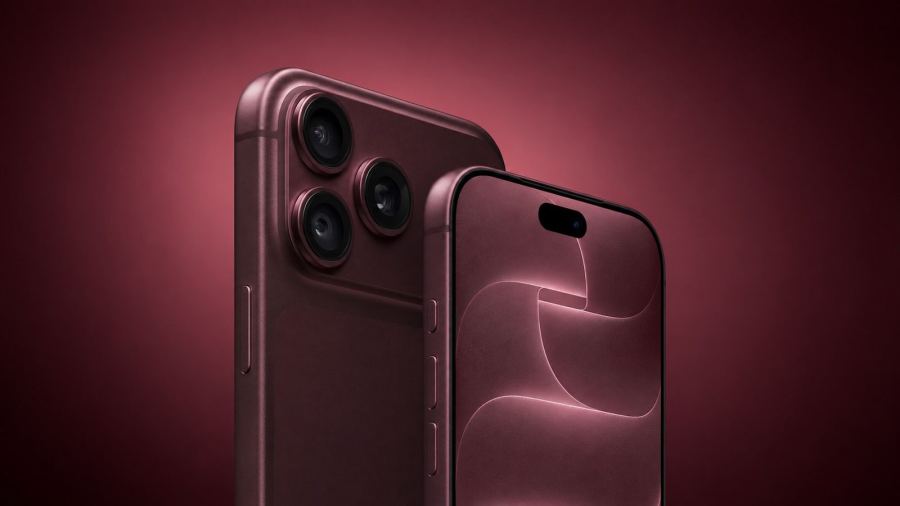
Opened, the Duo is the thinnest iPhone Apple has ever made, with a 7.6-inch inner display that is roughly 50 percent larger than the iPhone 18 Pro Max. Closed, the 5.4-inch outer screen offers about 90 percent of the Pro’s display area in a passport-sized package. Both screens share the same aspect ratio, so content scales without awkward letterboxing. A nano-texture finish on the inner panel reduces glare, and Apple claims the crease is nearly invisible.
The hinge uses more than 100 components and is tuned for a firm, satisfying snap. The frame is Grade 5 titanium. Dual batteries feed either the outer or inner display, delivering up to 44 hours of video playback on the outer screen alone. The A20 Pro chip is the same 2 nm part found in the 18 Pro models. Cameras are a 48 MP dual Fusion system rather than the triple-camera array of the Pro Max. There is no variable aperture and no dedicated telephoto, but Center Stage and Smart Take features appear on both displays.
Why the Timing and Leadership Matter
Ternus became CEO on September 1. Eight days later he introduced the Duo on stage at the “Surprise and Shine” event. By the time the phone reached stores, he had already conducted his first earnings call and begun the public transition from Cook’s operations-focused style to a more engineering-led one. Choosing Austin rather than New York for the launch-day appearance was a deliberate signal: the new CEO is visible, accessible, and tied to product rather than only to Wall Street.
The delay between announcement and availability also mattered. Rumors had suggested the foldable might ship weeks or months after the Pro models. Apple instead staggered the dates cleanly: Pros on September 18, Duo on October 23. That gap gave the company time to refine production and gave software teams time to ship iOS 27.1 optimizations for the dual displays before the hardware arrived.
Software and the AI Layer
iOS 27 on the Duo supports Split View, tent-mode StandBy, and automatic layout changes when the device is opened or closed. Apple Pencil support is promised later. More importantly, the phone runs the same Siri AI foundation as the rest of the 2026 lineup. The OS 27.2 update that arrived this week adds conversation memory, deeper personal context, and five new languages. On a foldable, those features gain a larger canvas: side-by-side apps can now sit next to a Siri conversation that remembers what was discussed five minutes earlier.
Whether buyers will use that larger canvas daily is still an open question. Early hands-on reports note that many apps still treat the inner display as a stretched phone rather than a small tablet. Developers are updating, but the transition will take months. The $2,000 price further narrows the audience to people who already own multiple Apple devices and are willing to experiment.
What to Watch Next
Supply and regional availability will be the first concrete signals. If the Duo remains scarce outside the U.S., China, and a handful of other markets, the launch will look more like a controlled experiment than a mass-market push. Software updates that improve multitasking and Pencil support will matter more than any single hardware revision. On the business side, Ternus’s next earnings call will be scrutinized for any comment on foldable margins, Services attach rates, or the still-missing base iPhone 18.
Regulation remains a background risk. App Store disputes continue in multiple countries, and a foldable with a large inner display could attract new scrutiny if Apple tightly controls how apps scale. At the same time, the device gives Apple a fresh talking point in the AI race: a form factor that makes on-device intelligence more visible and more useful.
One week in, the iPhone Duo has done what Apple needed it to do. It exists, it folds cleanly, and it carries the company’s first post-Cook product story. Whether that story becomes a lasting category or a high-end niche will depend on the next several months of supply, software, and real-world use. For now, Ternus has the product he wanted on stage and in stores. The harder work of making it indispensable has only just begun.
Comments
0