
Ternus’s First Hardware Wave: M6 iMac, Touchscreen PROLED MacBook Pro, and the Widening of Siri AI
John Ternus is only two months into his tenure as Apple’s CEO, and the company has just delivered one of its densest product weeks in recent memory. On October 27 Apple quietly refreshed the 24-inch iMac with the M6 chip. The next day it staged its “Pro and tell” event and unveiled the first MacBook Pro with a touchscreen and a tandem OLED panel it calls PROLED XDR. In the same window, iOS 27.2 expanded Siri AI to five new languages. For a hardware engineer who spent 25 years inside Apple before taking the top job, the sequence feels deliberate: ship the silicon, open the form factor, and widen the AI surface area before the next earnings call.
What Apple Actually Shipped
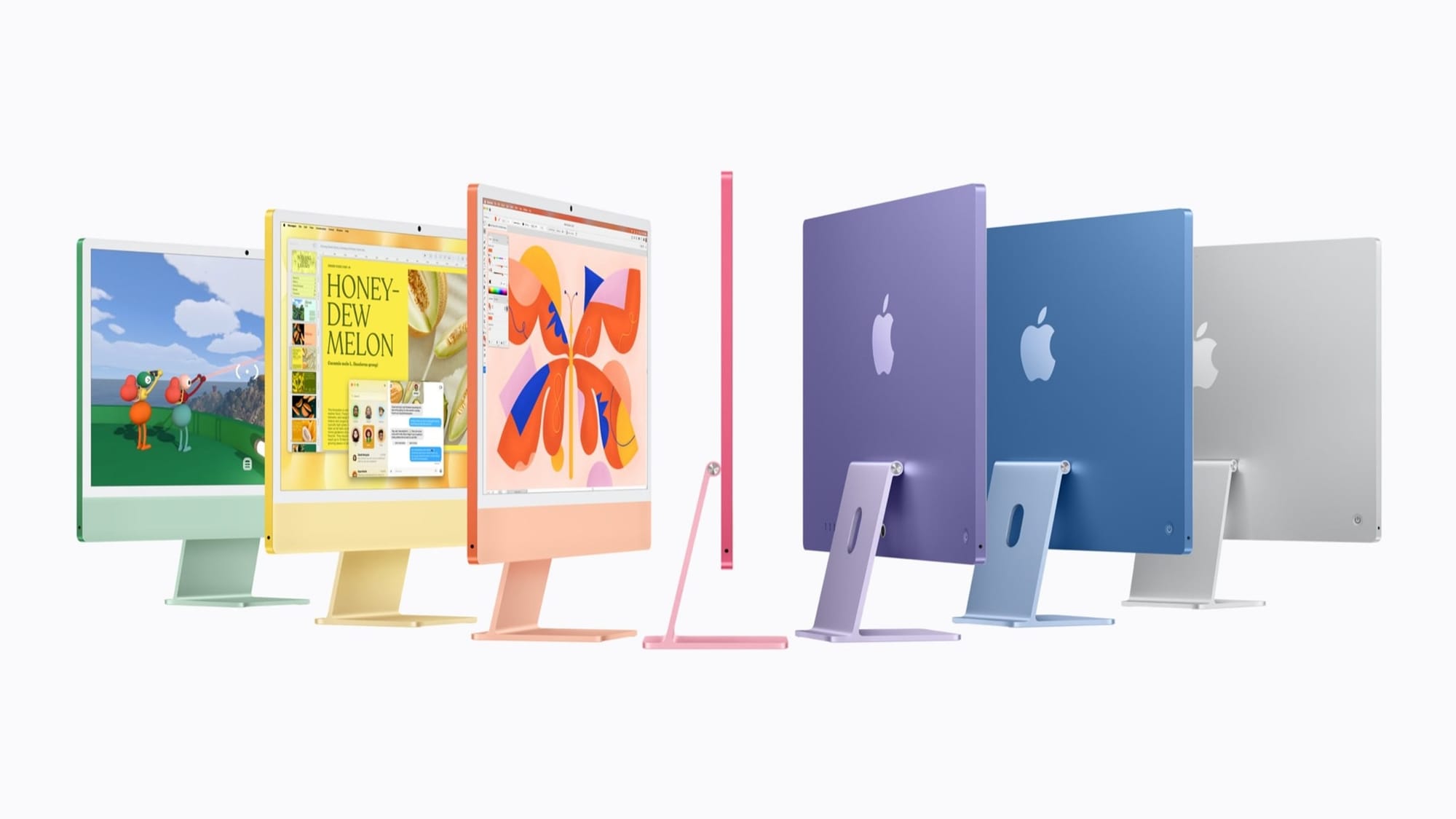
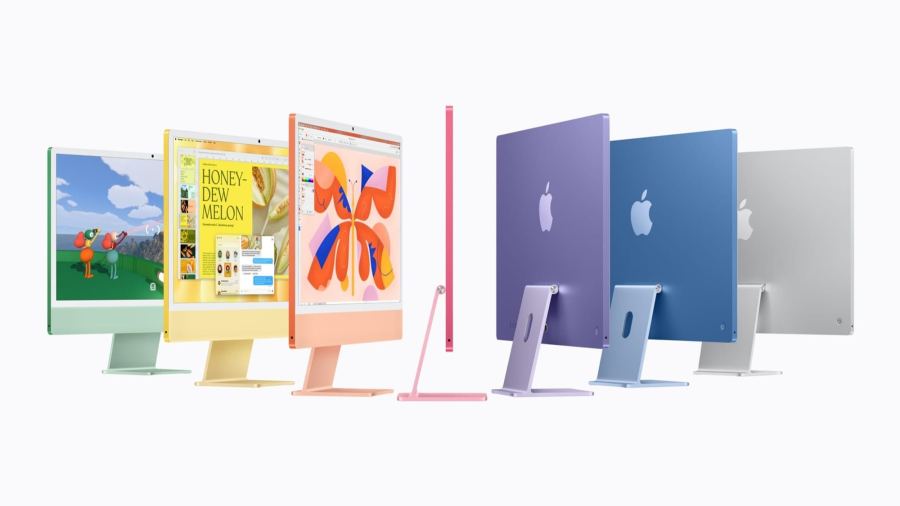
The M6 iMac is the less dramatic of the two machines. Apple skipped the M5 generation entirely on the all-in-one. The new chip brings a dual 16-core Neural Engine, Neural Accelerators in the GPU cores, Wi-Fi 7, Bluetooth 6, and, on the higher configuration, 2.5 Gigabit Ethernet. Apple claims up to 5× faster on-device AI performance versus the M4 iMac. Starting price remains $1,499 for the 10-core model; the 12-core version begins at $1,699. The seven colors, 24-inch 4.5K Retina display, and overall industrial design are unchanged. Pre-orders opened October 28; machines arrive November 6.
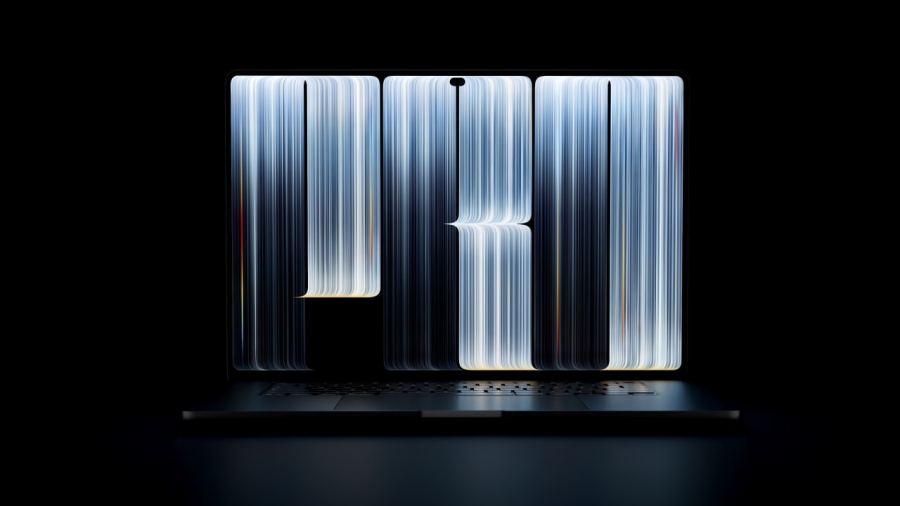
The MacBook Pro with PROLED XDR is the bigger statement. Available in 14- and 16-inch sizes, it is the first Mac with multi-touch on the display. The panel is a tandem OLED stack that Apple says reaches 2,000 nits peak HDR and SDR brightness, a 10,000,000:1 contrast ratio, ProMotion from 10 Hz to 120 Hz, and coverage of both P3 and Adobe RGB. The Dynamic Island arrives on Mac for the first time, housing Spotlight, Live Activities, and Siri AI. The machine runs M5 Pro or M5 Max (not the new M6), starts at $2,899 for the 14-inch model, and ships the same November 6 date. Apple also claims the 14-inch version is roughly half a pound lighter than its Liquid Retina XDR predecessor.

Simultaneously, the 27.2 software updates pushed Siri AI—still labeled beta—into French, Japanese, Korean, Portuguese, and Spanish. Apple has promised Traditional Chinese, Norwegian, Turkish, and Vietnamese by the end of the year. The assistant can now recall prior conversations, draw on personal context, and answer questions about on-screen content or the open web. It remains unavailable in the EU on iPhone, iPad, and Apple Watch while Apple continues discussions with regulators.
Why the Timing and the Mix Matter
Ternus inherited a company under pressure on two fronts: component costs (especially memory) and the perception that Apple is late on generative AI. The September iPhone event already raised prices $100 across the board and introduced the foldable iPhone Duo at $1,999. The late-October Mac wave continues that strategy of protecting margins while showing product progress. By putting M6 first into the volume iMac and the entry-level 14-inch MacBook Pro (a separate M6 laptop was announced alongside the iMac), Apple can claim a 2 nm process node and stronger Neural Engine without immediately refreshing the high-end M5 Pro/Max machines.
The touchscreen decision is the clearest break with prior dogma. For years Apple executives, including Steve Jobs and Tim Cook, argued that vertical touch on a laptop was ergonomically inferior. Ternus and hardware chief Johny Srouji have now reversed that position, at least for the pro line. The sensor is laminated into the panel itself rather than layered on top, which Apple says reduces latency. Whether pros actually prefer touching a vertical screen remains an open question, but the move eliminates a long-standing competitive talking point against Windows convertibles and gives developers a larger canvas for testing iOS and iPadOS apps on Mac.
Siri AI’s language expansion is equally strategic. English-only availability limited the feature’s addressable market. Adding five major languages in a single update, with four more queued, is the fastest internationalization Apple has done for a major AI feature. It also creates a clearer path to paid tiers later; Apple has already noted that expanded usage of certain cloud features will eventually cost money. Broader language support increases the pool of users who can hit those limits.
What to Watch Next
Earnings are scheduled for November 2. Analysts expect roughly $1.98 in EPS on $113 billion in revenue. Investors will listen for Ternus’s comments on iPhone 18 Pro and Duo early demand, Mac attach rates for the new OLED models, and any update on the EU regulatory path for Siri AI. Memory pricing and the company’s ability to hold the recent $100 price increases will also be scrutinized. The stock has traded near its 52-week high in the $340s; any disappointment on margins or unit guidance could move it quickly.
On the product side, the next obvious milestones are the November 6 retail availability of the M6 iMac, M6 MacBook Pro, and PROLED XDR models, plus the expected December arrival of additional Siri AI languages. Longer term, reports already discuss Apple targeting up to 1.5 million OLED touchscreen MacBook Pros in 2027. If early demand is strong, the touch experiment could expand to more of the lineup. If not, the Liquid Retina XDR models will remain the safer volume path.
Ternus has not yet delivered a signature product of his own—the iPhone Duo was in the pipeline long before he became CEO—but the late-October Mac announcements are the first clear hardware statements of his tenure. They combine incremental silicon gains, a form-factor change Apple once rejected, and a widening AI footprint. Whether that combination is enough to satisfy both customers and Wall Street will be clearer after the November 6 launch and the November 2 earnings call.
Comments
0