
Why Apple Skipped the Base iPhone and Led With the Foldable Under Ternus
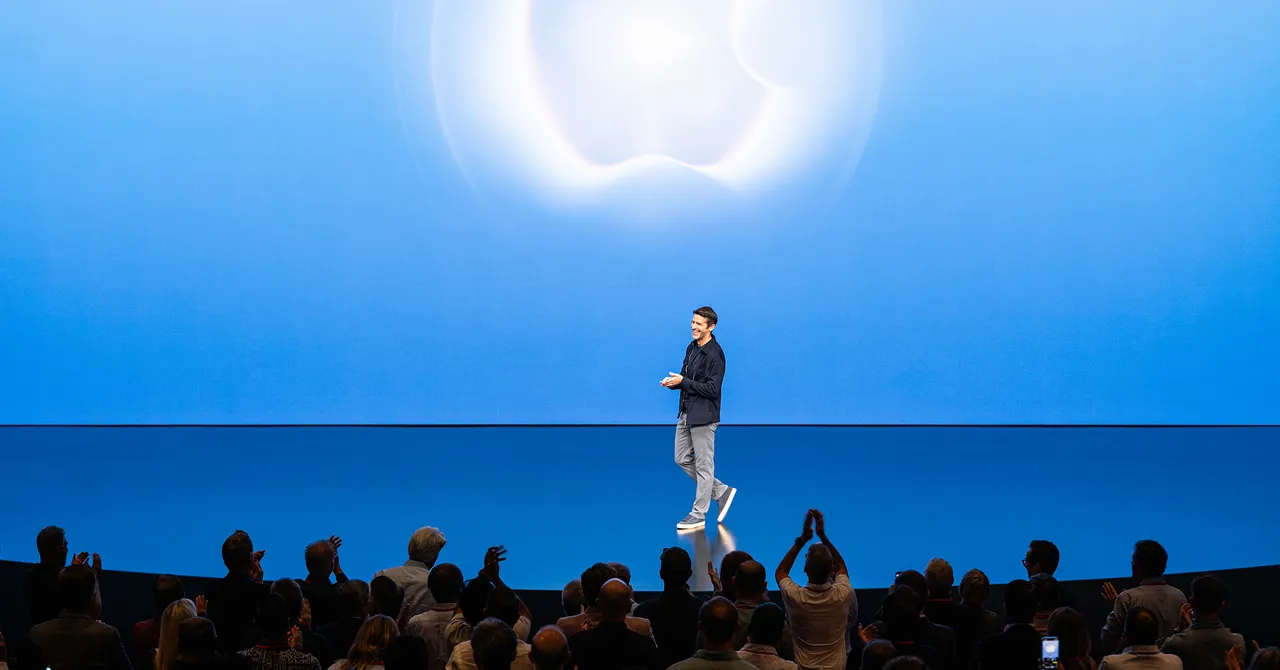
On September 9, 2026, Apple’s first product event under new CEO John Ternus carried the tagline “Surprise and Shine.” The surprise was not a thinner phone or a brighter screen. It was the absence of a standard iPhone 18. Instead, the stage belonged to the iPhone 18 Pro, iPhone 18 Pro Max, and the company’s first foldable, the iPhone Duo. Pre-orders for the Pro models opened September 12 with retail availability on September 18. The Duo followed a delayed path: pre-orders on October 16 and general availability on October 23. Pricing started at $1,199 for the Pro, $1,299 for the Pro Max, and $1,999 for the Duo. Those numbers, and the missing base model, say more about Apple’s current constraints and priorities than any single specification.
What actually shipped
The iPhone 18 Pro and Pro Max keep the familiar 6.3-inch and 6.9-inch sizes and the camera-plateau design introduced on the 17 Pro series. What changed is the silicon, the camera, the battery, and the pricing. The A20 Pro is built on TSMC’s 2-nanometer process and packs a six-core CPU (two “super cores” plus four efficiency cores), a seven-core GPU, and dual Neural Engines totaling 32 cores. Apple claims substantial gains in graphics and on-device AI performance, which matters because Siri AI and Apple Intelligence features now lean harder on local processing. A redesigned vapor chamber helps sustain that performance without thermal throttling.
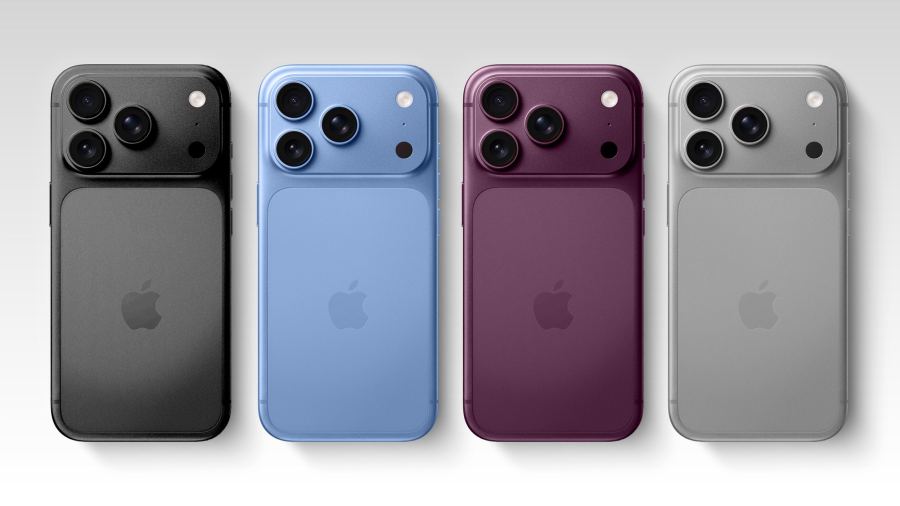
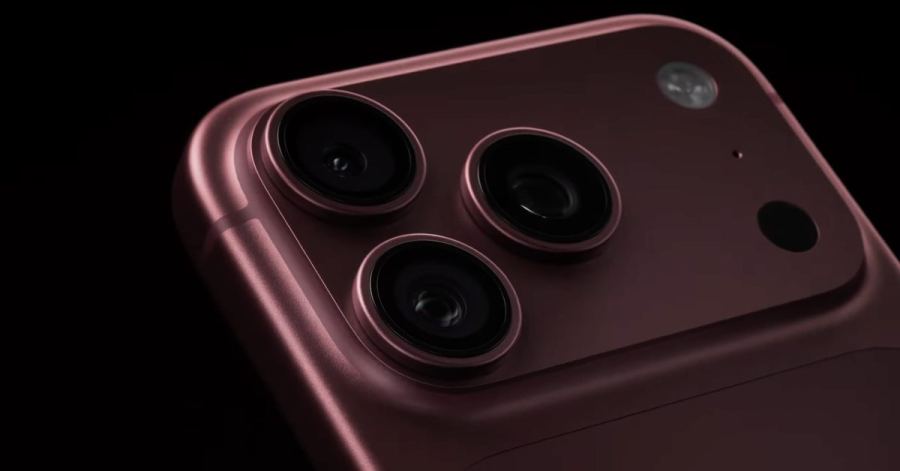
The headline camera feature is a true mechanical variable aperture on the 48MP Fusion Main sensor. Six thin blades give four selectable stops: f/1.48, f/1.8, f/2.8, and f/4.0. The wider opening improves low-light capture; the narrower settings increase depth of field for group shots or creative control. Ultra Wide and Telephoto remain fixed-aperture. New Pro controls in the Camera app let users adjust shutter, texture, and grain more deliberately. Storage now reaches 2TB on both Pro models. Colors are black, silver, glacier, and a new burgundy. Battery ratings jumped: up to 36 hours of video playback on the Pro and 45 hours on the Pro Max, with faster wired charging that can deliver meaningful runtime from a short top-up.
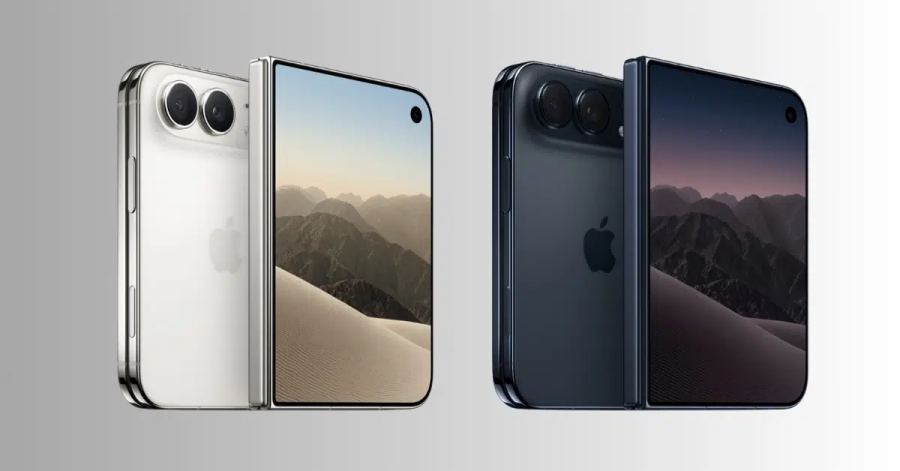
The iPhone Duo is the bigger structural break. It is a book-style foldable with a 5.4-inch outer Super Retina XDR display and a 7.6-inch inner display that shares the same aspect ratio, so content scales without distortion. The frame and hinge cover are Grade 5 titanium with a mirror-polished finish. A precision hinge with more than 100 components and an integrated magnet array holds the phone flat when open and snaps closed securely. Touch ID lives in the side button so authentication works whether the device is open or closed; there is no Face ID. An under-display camera sits on the inner screen. Dual batteries support long runtime, and Apple Pencil (USB-C) support arrives later. Colors are Star White and Night Sky. The phone is thin when open and pocketable when closed, and early supply reports suggest demand is outrunning initial production.
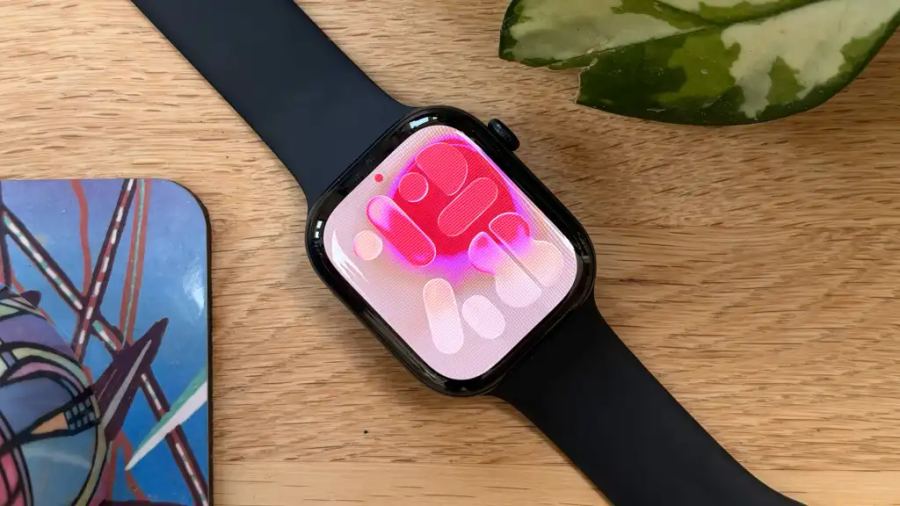
Alongside the phones, Apple refreshed the Watch lineup with Series 12 (new Health Sensing System for higher-frequency heart-rate and HRV data, readiness score) and Ultra 4, plus AirPods updates. Software arrived as iOS 27, watchOS 27, and the rest of the 27 series, introducing Siri AI with personal context, onscreen awareness, and deeper app actions. Later point releases such as 27.2 added conversation memory and faster responses, especially noticeable on the Watch.
Why the base model disappeared
Component shortages, particularly memory and advanced silicon, have been widely cited as the practical reason Apple could not field a full lineup in September. By prioritizing the higher-margin Pro models and the new foldable, the company maximized revenue per unit during a constrained production window. Raising the starting prices of the existing iPhone 17 models by $100 reinforced the same signal: Apple is protecting average selling price while the AI infrastructure boom consumes capacity at foundries and memory suppliers. The standard iPhone 18, a new Air, and an 18e are now expected in the first half of 2027. That split-launch approach is unusual for Apple but logical if the goal is to keep the holiday quarter focused on the devices that generate the most profit and the most attention.
Ternus’s background as the former head of hardware engineering makes the sequencing feel intentional rather than purely reactive. He has spoken openly about waiting until flexible OLED and hinge technology no longer looked “cheap and crappy.” The Duo’s titanium construction, crease-minimizing nano-texture inner display, and dual-battery architecture are the concrete results of that delay. Whether the execution fully justifies the wait will be decided by real-world durability reviews and long-term supply, not by keynote demos.
What the numbers and the strategy imply
A $100 price increase on the Pro line, combined with a $1,999 foldable, shifts the product mix upward. Services revenue (App Store, subscriptions, AppleCare) already provides a high-margin buffer; hardware ASP growth helps offset any volume softness. The first earnings call led by Ternus is scheduled for November 2, covering the fiscal fourth quarter of 2026. Investors will look for commentary on Duo supply, the impact of the delayed base model, and how Apple Intelligence features are converting into higher attachment rates or longer upgrade cycles. Early reports of January delivery windows for some Duo orders suggest the foldable is supply-constrained rather than demand-constrained—an outcome Apple has managed before with other high-end launches.
On the software side, Siri AI’s gradual rollout (English first, then additional languages) and the recent addition of conversation memory show Apple treating AI as an iterative layer rather than a single big-bang release. Features that require an iPhone nearby for heavier processing (certain Watch capabilities, for example) reinforce the idea that the phone remains the compute hub even as the company adds more form factors. Regulatory pressure on the App Store continues in parallel; any attempt to raise developer fees or change commission structures under Ternus and services chief Eddy Cue will face the same scrutiny that has already produced changes in the EU and ongoing litigation elsewhere.
What to watch next
Three near-term markers stand out. First, Duo production ramps and whether the January slip dates tighten or lengthen. Second, the November 2 earnings call for Ternus’s tone on supply, pricing power, and AI monetization. Third, the spring 2027 window for the delayed standard iPhone 18 and related models—any further slip would signal that the component constraints are lasting longer than expected. Software updates will continue to refine Siri AI memory, language coverage, and Watch responsiveness. Hardware rumors for 2027 already include further camera refinements and possible new form factors, but the immediate story is how well the premium-only fall strategy holds up once the full product mix returns.
Apple under Ternus has chosen to lead with its highest-end hardware and a long-awaited foldable while the more accessible models wait. The move protects margins and narrative focus in a tight supply environment, but it also raises the stakes for the Duo’s durability and for the spring lineup to feel like more than a catch-up release. The next few months of supply data, earnings commentary, and user experience with both the variable-aperture Pro cameras and the folding Duo will show whether the calculated delay was worth it.
Comments
0