
The Foldable iPhone Has Arrived: Demand, Durability Questions, and What Comes Next
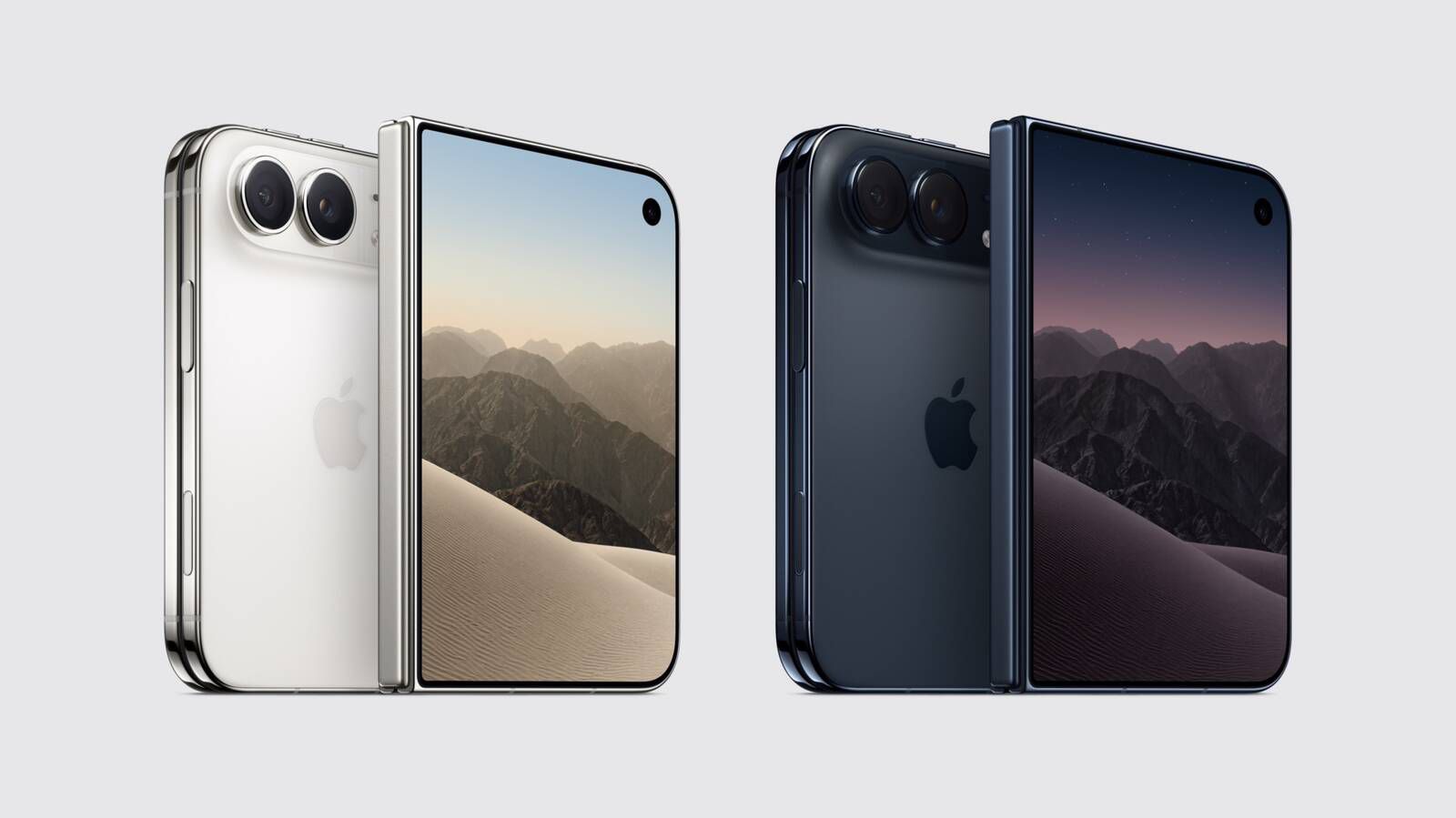
Apple’s first foldable iPhone reached customers around the world on Friday, October 23, 2026. The iPhone Duo, announced on September 9 and opened for pre-order on October 16, starts at $1,999 for 256GB and climbs to $3,199 for the 2TB configuration. It arrives in Star White and Night Sky finishes, with a 5.4-inch outer display that opens into a 7.6-inch inner Super Retina XDR panel—Apple’s largest iPhone display ever and roughly 50 percent larger than the screen on the iPhone 18 Pro Max.
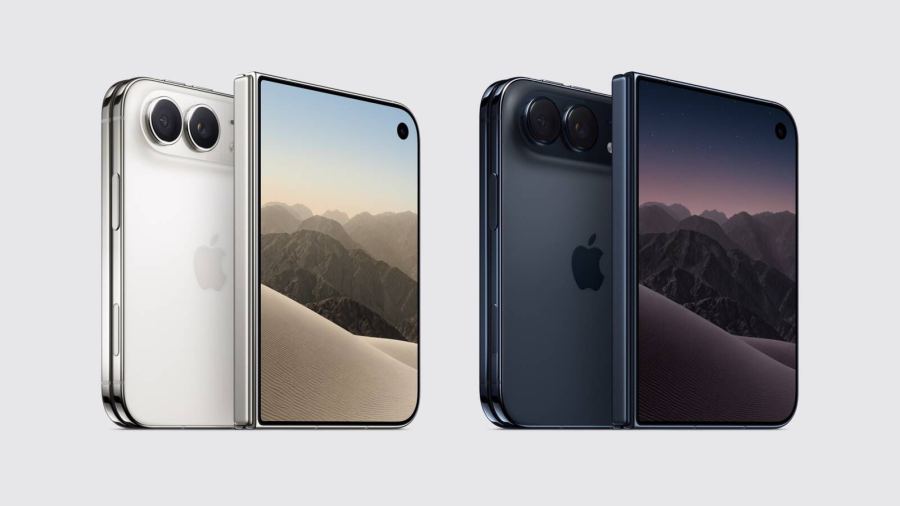
The device is powered by the same A20 Pro chip found in the September iPhone 18 Pro models, built on TSMC’s 2-nanometer process. It uses a dual-battery system, a titanium frame, and a precision hinge engineered for a flat, crease-minimized inner display with a nano-texture finish. Touch ID sits in the side button. A Center Stage front camera and an under-display FaceTime camera support the larger canvas. Pre-orders sold out of launch-day allocation within minutes in many markets, with shipping estimates quickly sliding into January 2027. Supply-chain reports indicated Apple raised its first-year shipment target by more than 40 percent, toward roughly 14 million units, after describing demand as extraordinary.
Launch Day Scenes and Inventory Reality
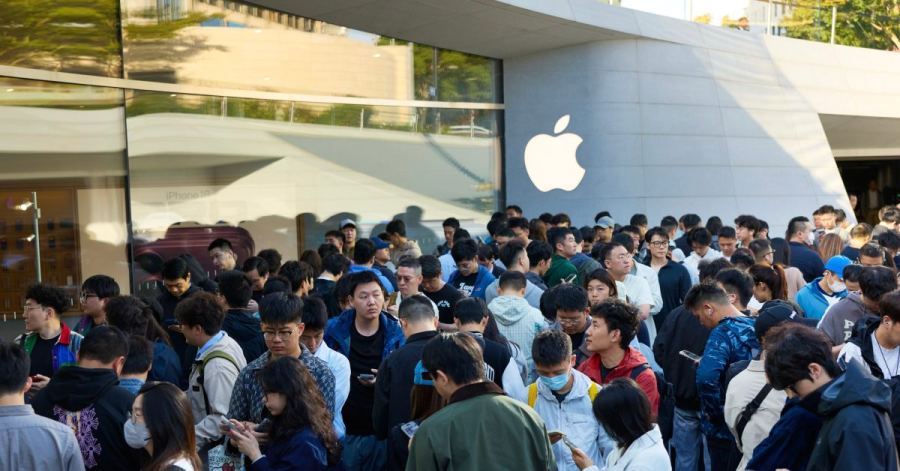
Apple Stores from Shanghai to New York, London, and Austin filled with customers. CEO John Ternus and retail chief Deirdre O’Brien greeted shoppers at the Domain NORTHSIDE store in Austin. Greg Joswiak was at Fifth Avenue in New York. Official photos showed hands-on demos, personalized setup sessions, and large product installations. Walk-in inventory was deliberately limited. In several countries, including China, Japan, and India, customers needed pickup reservations. Apple limited U.S. purchases to two devices per customer. Retail staff had been advised that walk-in stock would be scarce, and many locations directed hopeful buyers to check the Apple Store app the following day.
The timing also produced a market-cap milestone. During Friday trading, Apple shares briefly pushed above $351, lifting the company’s market capitalization to approximately $5.12 trillion and placing it ahead of Nvidia for at least part of the session. Nvidia and Alphabet followed. The ranking has flipped multiple times this year as investors weigh AI infrastructure spending against Apple’s product cycle. The Duo launch provided a concrete catalyst on a day when the stock set a new intraday high.

Why the Design Matters
For more than a decade Apple watched Samsung, Huawei, and others iterate on foldable form factors. John Ternus has said the company explored the concept for roughly 15 years and filed early patents involving flexible displays as far back as 2011. The goal, executives stated at the September event, was to avoid a device that felt like two phones awkwardly stuck together. The Duo aims for a continuous frame, matching aspect ratios between outer and inner displays, and software that adapts—side-by-side apps, flexible FaceTime, and a larger canvas for content and gaming.
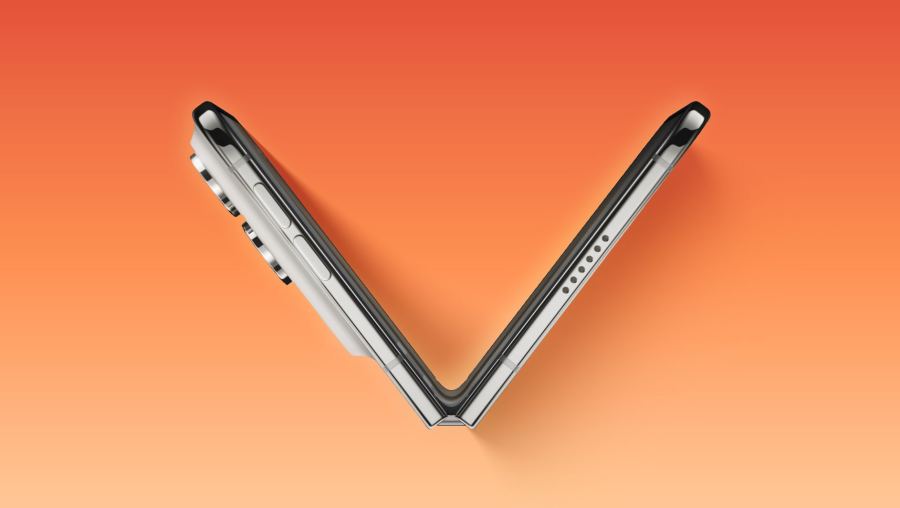
Opened, Apple calls it the thinnest iPhone it has ever made. Closed, it is roughly the size of a passport and intended for one-handed use. The hinge is described as containing more than 100 components, tuned for a satisfying snap and a flat closed position. Ceramic Shield protects the outer display; the inner panel uses multiple ultrathin layers and a nano-texture finish intended to reduce glare and soften the appearance of the crease. Early hands-on reports from the September event noted that the crease is subtle at most angles but still visible under certain lighting.
Early Durability Reports
Within hours of the first units reaching customers in Asia and Australia, photos began circulating of inner displays cracked along the fold line, often accompanied by a bright line of failed pixels on one side of the screen. An Australian owner described a device that failed after fewer than 20 opens over roughly six hours, with no visible external damage or trapped debris. Apple replaced that unit on the spot. Similar images appeared from Chinese communities and on Reddit. It is too early to determine whether these are isolated manufacturing defects, user-handling issues, or a broader design vulnerability. Apple has published DIY repair guides for the Duo and has a support document covering display troubleshooting. The company has not issued a broad public statement on the reports as of this writing. For a $2,000 device positioned as durable, even a small number of launch-day failures will draw scrutiny.
Foldable screens have always been the category’s central engineering trade-off. Earlier generations from other manufacturers improved crease visibility and hinge life over successive cycles. Apple entered later, with the benefit of observing those lessons, but it is still shipping its first commercial implementation. The next several weeks of real-world use will matter more than launch-day anecdotes.
Software and Ecosystem Fit
The Duo ships with iOS 27.1, an update that is currently exclusive to the foldable. Broader iOS 27.2 release candidates are already in testing, adding further Siri AI refinements and language support. The larger inner display enables multitasking layouts that were previously more natural on iPad. App developers have begun optimizing for the form factor, with some early examples of side-by-side interfaces and skeuomorphic designs that take advantage of the fold. Apple Pencil support is available with the appropriate model. The device also benefits from the broader Apple Intelligence and Siri AI rollout that began with iOS 27 in September.
Accessories include a new Folio case with an integrated kickstand in navy and taupe, plus standard silicone and FineWoven options. Trade-in and carrier deals can reduce the effective price, and Apple Card Monthly Installments are available in the United States. Expansion to an additional 28 countries and regions is scheduled for October 30.
What to Watch Next
The immediate questions are supply and reliability. If Apple can ramp production toward the raised 14-million-unit target without major quality escapes, the Duo establishes a new premium tier above the Pro and Pro Max and potentially expands the addressable market for high-end iPhones. Analysts have noted that even modest volumes at a $2,000-plus average selling price can lift overall iPhone revenue and margins. The halo effect on the rest of the lineup and on Services remains to be measured.
John Ternus, who became CEO on September 1, is leading the company through this cycle. His first quarterly earnings call is scheduled for November 2. The Duo’s launch-day revenue will largely fall into the following fiscal quarter, so the call will focus more on the September iPhone 18 Pro performance, Services momentum, and early commentary on foldable demand and supply. Longer term, reports already mention internal testing of a second-generation Duo with Face ID, and Apple continues to expand its smart-home portfolio with HomeView and related products.
For customers, the practical advice is straightforward. If you secured a pre-order, monitor the device closely in the first days and weeks and document any issues. If you are still deciding, waiting for the initial production ramp and the first wave of real-world durability data is reasonable. The form factor is genuinely new for iPhone, the software adaptation looks promising, and the price reflects both the engineering cost and Apple’s positioning. Whether it becomes a mainstream success or a high-end niche product will depend on sustained demand after the launch excitement and on Apple’s ability to deliver the durability its marketing implies.
The iPhone Duo is the most significant change to the physical design of the iPhone in years. Its arrival on October 23 marked both a product milestone and a market-cap moment. The next chapters—supply fulfillment, software refinement, and real-world reliability—will determine how large a chapter it becomes in Apple’s longer story.
Comments
0